A Sudden Shake-Up Inside the FBI
In a move sending shockwaves through Washington, three senior FBI officials have been dismissed in what insiders describe as a “Trump-era purge” tied to the Bureau’s handling of the January 6 Capitol investigation.
The firings, confirmed by multiple sources, mark one of the most significant personnel changes since President Donald Trump began his second term — and raise new questions about how far his administration is willing to go to assert control over the Department of Justice.
According to reports, the officials removed are Brian Driscoll, Steven Jensen, and Walter Giardina — all long-time veterans of the FBI with connections to high-profile cases involving the Capitol riot and earlier probes into Trump’s associates.
Who Was Removed — and Why It Matters
Brian Driscoll, who briefly served as Acting FBI Director at the beginning of Trump’s second term, confirmed his termination in an internal message obtained by several media outlets.
“Last night I was informed that tomorrow will be my last day in the FBI,” Driscoll wrote to colleagues. “I understand you may have questions regarding why, for which I currently have no answers.”
Driscoll, a 20-year Bureau veteran, had previously been at odds with senior Justice Department leadership over requests to identify every FBI employee involved in the January 6 investigation. In a memo at the time, he cautioned that the order would expose “thousands of personnel” connected to sensitive national security work.
His removal, insiders say, signals the administration’s intent to tighten internal discipline and remove officials viewed as resistant to directives from new FBI leadership.
Letters From Within: Farewells With a Message
Steven Jensen, the second official dismissed, had been appointed only four months ago as Assistant Director in Charge of the FBI’s Washington Field Office — the nerve center of the January 6 probe.
In a farewell letter dated August 8, Jensen addressed colleagues directly:
“Never waver in your resolve to protect the American people and uphold the Constitution. Continue to be bold and aggressive in the pursuit of justice. Be the FBI.”
He pledged to face the decision “with professionalism, integrity, and dignity.”
Trump-aligned officials reportedly viewed Jensen’s appointment with skepticism from the beginning, citing his oversight of investigative teams that had pursued individuals linked to the 2021 Capitol riot. His firing, according to political analysts, underscores the new administration’s commitment to re-shaping the Bureau’s culture and priorities.
Third Dismissal Tied to Trump Investigations
The third official, Walter Giardina, had worked on the Mueller investigation into alleged Trump-Russia ties and later took part in the controversial 2022 arrest of former Trump trade adviser Peter Navarro. Navarro’s legal team described that arrest as “politically motivated” and “over-the-top.”
At the time, Navarro accused the agents involved — including Giardina — of excessive force. The case became a flashpoint for Trump supporters who viewed it as evidence of bias inside federal law enforcement.
Giardina’s removal completes what one source called a “targeted rollback of politically compromised leadership.”
Reaction Inside the Bureau
The FBI Agents Association, representing current and former agents, issued a sharp rebuke following news of the dismissals.
“Agents are not given the option to pick and choose their cases,” the association said. “These officials carried out their assignments with professionalism and integrity. If agents can be fired without due process, it makes the American people less safe.”
The statement emphasized that the officials had acted within the scope of their duties and warned against what it described as “politicization of federal law enforcement.”
Political Response: Divided Along Party Lines
Senator Mark Warner (D-VA), chair of the Senate Intelligence Committee, condemned the firings as part of “a disturbing pattern of retaliation and politicization.”
“These decisions are not about accountability,” Warner said. “They’re about loyalty — and that’s not how the FBI is supposed to operate.”
Supporters of the Trump administration, however, have defended the move as long overdue. They argue that the January 6 investigations were marred by leaks, internal bias, and what one adviser called “a culture of insubordination that made reform impossible.”
The Legal Backdrop: A Fight Already in Motion
Less than three weeks before the firings, U.S. District Judge Jia Cobb had dismissed a lawsuit filed by a group of unnamed FBI officials attempting to block potential retaliation for their roles in the Capitol riot probe.
Judge Cobb described the situation as “a whirlwind of chaos and fear” but ultimately ruled that their claims were “too speculative” to justify intervention.
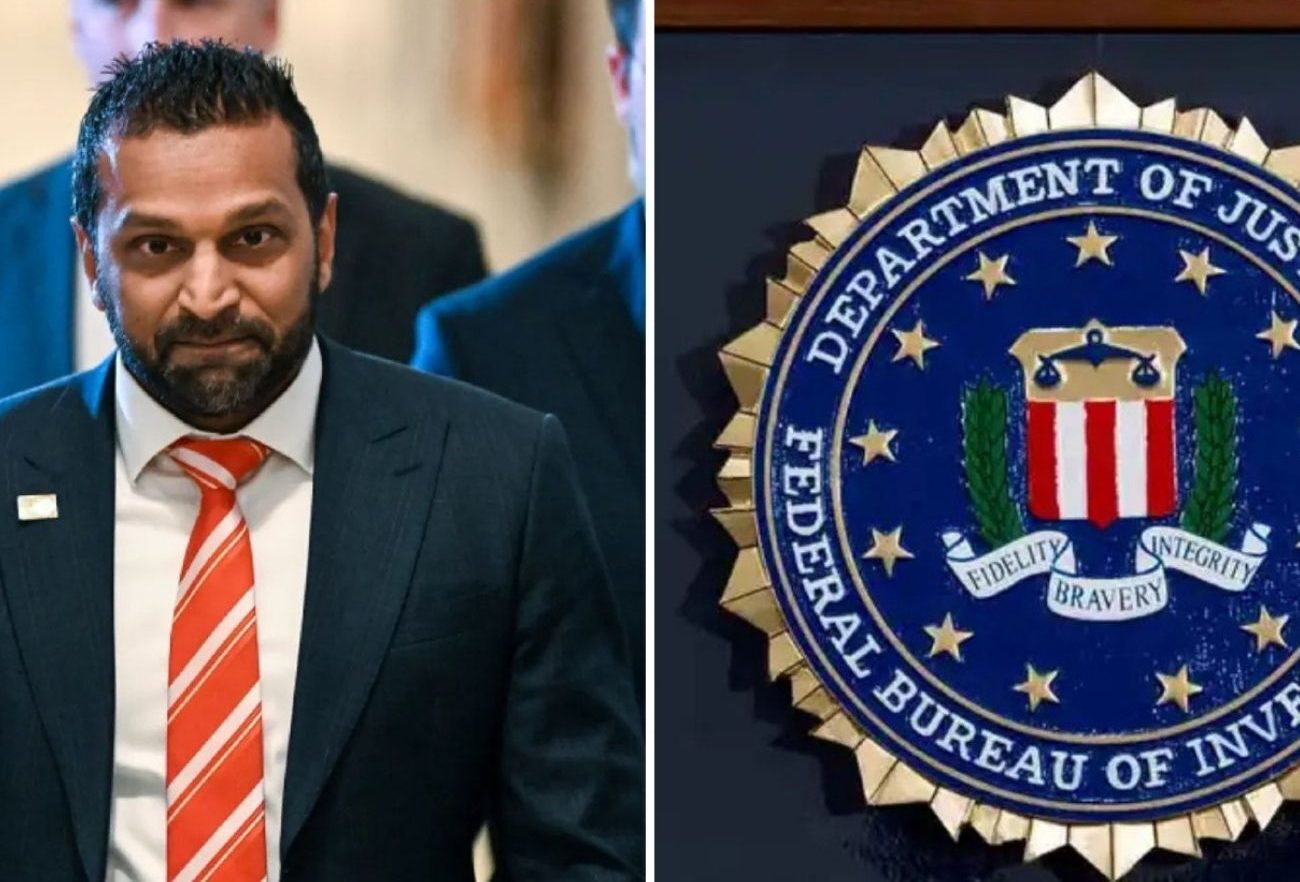
The ruling, combined with months of internal audits ordered by new FBI Director Kash Patel, paved the way for a round of personnel changes across the Bureau.
Sources familiar with the process say more dismissals are expected in the coming weeks as part of an ongoing “integrity review.”
A Broader Reorganization
The current round of firings appears to be only the beginning of a larger overhaul.
Under the new structure, the FBI’s Washington Field Office will undergo leadership restructuring, with divisions previously handling January 6 cases now reporting directly to headquarters.
The Trump administration has described this as an effort to “restore operational transparency and rebuild trust” between federal agencies and the American public.
But critics, including several former Justice Department officials, argue that the move risks politicizing investigations and blurring the line between law enforcement and executive authority.
What Comes Next
With the dismissals confirmed and potential replacements already being vetted, the shake-up signals a decisive shift in how the Trump administration plans to manage its relationship with the Bureau.
Analysts note that by removing figures connected to previous investigations into Trump and his allies, the administration is making clear that it will not tolerate what it sees as “institutional resistance.”
For rank-and-file agents, the changes have created an atmosphere of uncertainty.
Several sources inside the Bureau described “anxiety” and “low morale” as employees await further announcements from leadership.
A Message Sent — Loud and Clear
The firings of Driscoll, Jensen, and Giardina mark the most visible sign yet of a new era inside the FBI.
To supporters, it’s a long-awaited correction — a clearing out of officials who mishandled politically charged cases.
To critics, it’s a warning — proof that loyalty now outweighs independence in federal law enforcement.
Either way, the message from the Trump administration appears unmistakable:
Those unwilling to align with the new direction will not remain in power.

Sarah Mitchell is a bestselling novelist recognized for her insightful and emotionally resonant stories that explore the complexities of human relationships. Originally from Denver, Colorado, Sarah grew up in a family of teachers who nurtured her curiosity and love for storytelling. She studied psychology at Stanford University, where she became fascinated by the intricacies of human behavior—an interest that would later shape her writing career. Sarah’s novels are praised for their nuanced characters, intricate plots, and ability to capture the subtle tensions that define love, friendship, and family ties. Her breakthrough novel, The Spaces Between Us, became an instant bestseller, lauded for its honest portrayal of strained family relationships and the fragile bonds that hold people together. Since then, she has published several works that continue to captivate audiences around the world. Outside of her writing career, Sarah is passionate about mental health advocacy and often partners with organizations to promote awareness and support for those struggling with emotional well-being. Her personal life is quieter—she enjoys hiking in the Colorado mountains, practicing yoga, and spending time with close friends. With each new book, Sarah Mitchell cements her reputation as a writer who illuminates the beauty and struggles of human connection.