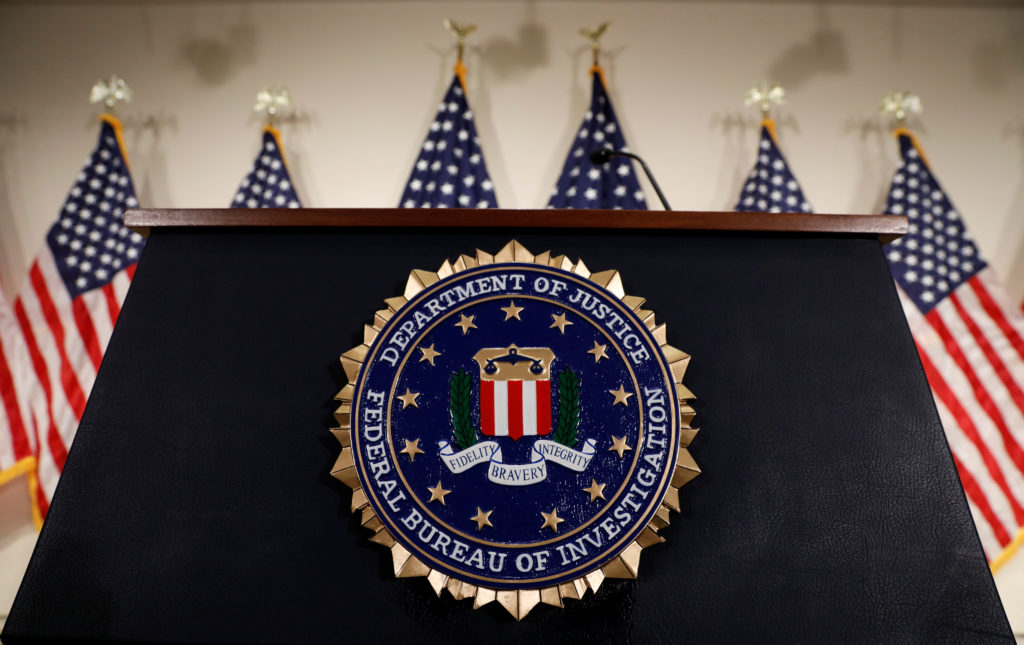
With Valentine’s Day just days away, the FBI’s Norfolk Field Office is urging the public to remain vigilant against a growing wave of online romance scams, which prey on those seeking love and companionship through the internet. According to the agency, these schemes have led to significant financial and emotional harm for victims, highlighting the importance of recognizing red flags and taking precautions when forming relationships online.
Romance scams occur when criminals construct fake online personas to cultivate trust and affection with unsuspecting individuals. Once the scammer has established a connection, they manipulate the victim into sending money, sharing sensitive personal information, or granting access to financial accounts. The FBI’s Internet Crime Complaint Center (IC3) reports that Virginia alone saw 202 confirmed romance scam complaints last year, resulting in total victim losses exceeding $20 million. Experts warn, however, that many cases remain unreported, leaving the full scope of the threat difficult to quantify.
“Romance scams are especially devastating because they exploit trust and emotion,” said Dominique Evans, Special Agent in Charge of the FBI Norfolk Field Office. “Behind every report is a real person who believed they had found a genuine connection. Our message is simple: learn to recognize the red flags. Ask yourself if what you’re being told is real. Talk to your family and friends. When something feels rushed, pause.”
Common Red Flags of Romance Scams
The FBI highlights several warning signs that may indicate a potential scam:
-
Rapid declarations of love or strong feelings early in the relationship.
-
Claims of living or working overseas, or frequent travel for work.
-
Avoiding in-person meetings or video calls.
-
Requests for money for emergencies, medical expenses, travel, business opportunities, or investments.
-
Requests for payment via gift cards, cryptocurrency, wire transfers, or prepaid cards.
-
Stories that contain inconsistencies or appear too good to be true.
-
Pressure to keep the relationship or financial requests secret.
According to Evans, scammers often exploit the emotional vulnerabilities of their victims, using urgent or dramatic circumstances to elicit money or personal data. “These criminals are skilled manipulators,” she said. “They understand human psychology and know how to make people feel sympathy or urgency.”
The Role of Artificial Intelligence in Modern Scams
Law enforcement has also warned that the use of artificial intelligence (AI) is amplifying the scope and sophistication of romance scams. Criminals are increasingly leveraging generative AI tools to make their operations more convincing and far-reaching.
Generative AI is used in several ways by fraudsters:
-
Translating messages accurately to avoid language errors, enabling foreign criminals to communicate convincingly with U.S. victims.
-
Producing realistic photos to send in private communications, enhancing the illusion of authenticity.
-
Creating entire social media profiles with fabricated images to lure victims into fictitious relationships.
-
Generating videos to “prove” to victims that the online contact is a real person.
“AI has made these scams more believable and harder to detect,” Evans noted. “It allows criminals to operate on a larger scale and to tailor their communications to appear genuine, which increases the likelihood of victim compliance.”
How to Protect Yourself
The FBI emphasizes that vigilance, verification, and caution are critical when engaging with individuals online. Recommended protective measures include:
-
Being cautious when interacting with people met through dating websites, apps, or social media.
-
Never sending money, gift cards, cryptocurrency, or sensitive financial information to someone you have not met in person.
-
Verifying identities and remaining skeptical of urgent or emotionally charged requests for money.
-
Consulting a trusted friend or family member before making financial decisions involving someone met online.
Evans encouraged individuals to trust their instincts. “If something feels off, it probably is,” she said. “Taking a step back and consulting others before acting can prevent devastating financial and emotional consequences.”
Reporting Romance Scams
The FBI urges anyone who suspects they are being targeted by a romance scam to cease all communication immediately. Victims are also advised to report any fraudulent activity to the appropriate authorities.
-
Financial transfers should be reported immediately to the bank or financial institution used for the transaction.
-
Complaints should be filed with the FBI’s Internet Crime Complaint Center at www.ic3.gov.
-
Local FBI field offices or local law enforcement agencies should also be contacted to provide assistance and guidance.
The IC3 provides a platform for victims to report scams and track patterns of fraudulent behavior, which can help authorities identify and apprehend perpetrators. In addition to individual action, public awareness campaigns are critical to reducing the number of people falling victim to these schemes.
A Growing National Problem
Romance scams are not unique to Virginia; they are part of a broader trend affecting Americans nationwide. Experts say the combination of online anonymity, social media, and sophisticated technology allows criminals to cast a wide net, often targeting vulnerable populations such as the elderly or individuals recently entering the dating scene.
“Scammers prey on people looking for connection,” said Evans. “The pain is not just financial—it’s emotional. Victims are often left feeling betrayed, humiliated, and cautious about future relationships.”
According to IC3 data, the financial impact of romance scams has steadily increased over the past decade, with losses now exceeding hundreds of millions of dollars annually nationwide. Authorities warn that early recognition of red flags is the most effective defense.
Advice for Families and Friends
FBI officials recommend that families and friends of individuals active in online dating remain engaged and supportive. Monitoring for warning signs such as sudden requests for money or abrupt changes in behavior can help protect vulnerable loved ones.
“Support networks are critical,” Evans said. “Often, a trusted friend or family member can provide perspective that helps someone avoid making a costly mistake.”
As Valentine’s Day approaches, the FBI Norfolk Field Office is intensifying public education efforts, urging all residents to remain alert, report suspicious activity, and exercise caution in digital relationships. By spreading awareness and encouraging vigilance, authorities hope to mitigate the financial and emotional harm caused by romance scams.
“Love should never come with a price tag,” Evans said. “Our goal is to ensure that people can seek meaningful relationships without falling victim to exploitation. Recognize the red flags, verify the facts, and don’t hesitate to report suspicious behavior.”

Emily Johnson is a critically acclaimed essayist and novelist known for her thought-provoking works centered on feminism, women’s rights, and modern relationships. Born and raised in Portland, Oregon, Emily grew up with a deep love of books, often spending her afternoons at her local library. She went on to study literature and gender studies at UCLA, where she became deeply involved in activism and began publishing essays in campus journals. Her debut essay collection, Voices Unbound, struck a chord with readers nationwide for its fearless exploration of gender dynamics, identity, and the challenges faced by women in contemporary society. Emily later transitioned into fiction, writing novels that balance compelling storytelling with social commentary. Her protagonists are often strong, multidimensional women navigating love, ambition, and the struggles of everyday life, making her a favorite among readers who crave authentic, relatable narratives. Critics praise her ability to merge personal intimacy with universal themes. Off the page, Emily is an advocate for women in publishing, leading workshops that encourage young female writers to embrace their voices. She lives in Seattle with her partner and two rescue cats, where she continues to write, teach, and inspire a new generation of storytellers.