
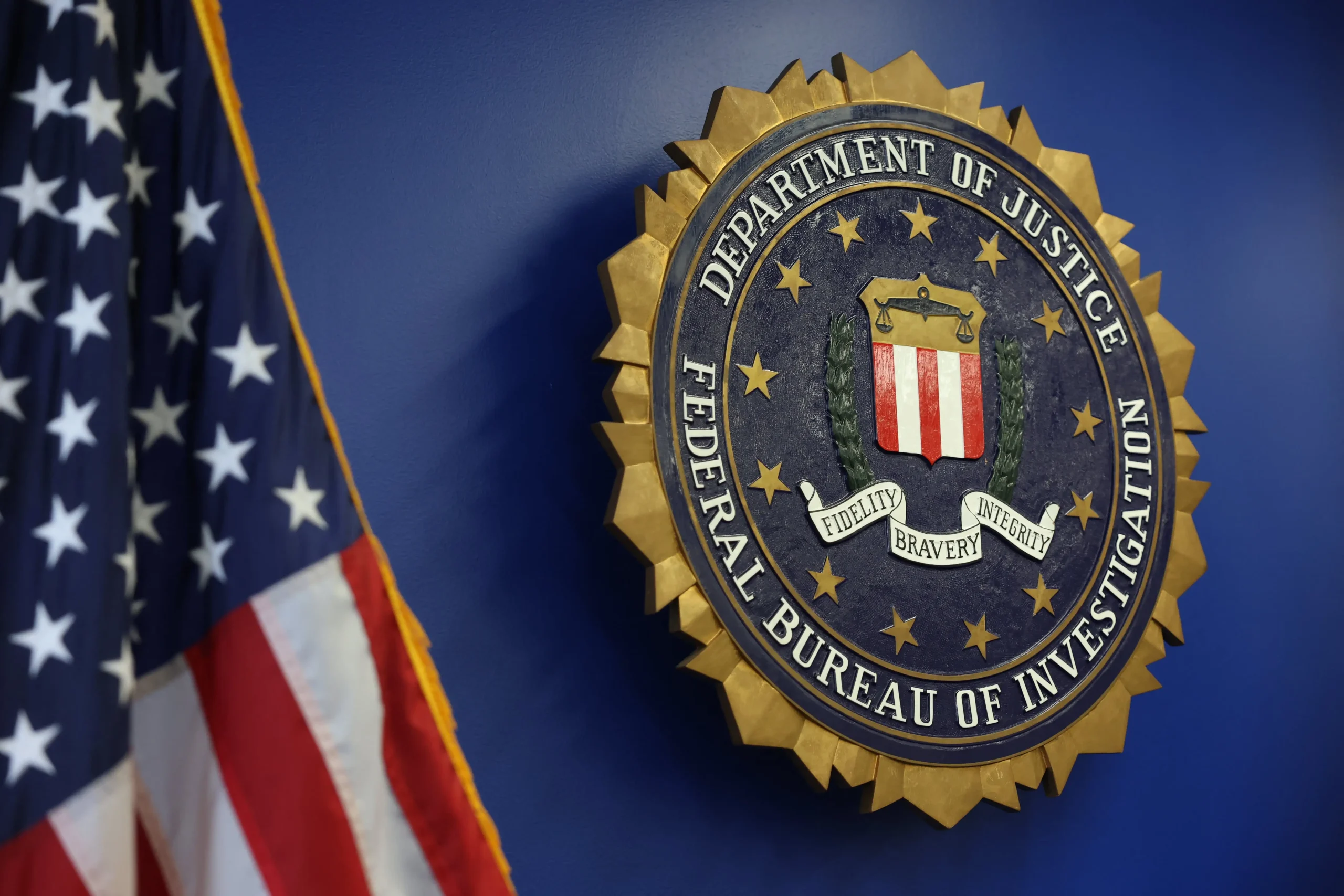
As the holiday season approaches, the Federal Bureau of Investigation has issued a series of urgent public service advisories warning Americans about an alarming rise in cyber-enabled scams. Among them, one of the most disturbing threats to emerge involves the manipulation of photos taken from social media and other public platforms, which criminals are using to fuel so-called “virtual kidnapping” schemes. Updated on December 9, the FBI’s warning highlights how these photo-based attacks are becoming more sophisticated, emotionally manipulative, and dangerous—especially during a time of year when people are already under stress.
The FBI’s December 5 public service alert, identified as I-120525, confirmed that criminals are altering publicly available photos to create fake “proof of life” images. These images are then sent to victims as part of ransom scams that claim a loved one has been kidnapped. While virtual kidnapping itself is not new, the ease with which scammers can now harvest photos from social media has dramatically increased both the realism and effectiveness of these attacks.
A Holiday Surge in Cyber Threats
In recent weeks, the FBI has released multiple cybersecurity advisories aimed at protecting consumers during the busy holiday shopping and travel season. These alerts have covered a wide range of threats, including retail brand impersonation scams, banking malware capable of draining accounts, phishing campaigns, and even schemes that impersonate federal agents to steal passwords or personal information.
However, officials say the photo-based virtual kidnapping scams stand out for their psychological impact. Unlike traditional financial fraud, these attacks exploit fear, urgency, and emotional vulnerability. By leveraging images of real people—often pulled directly from social media profiles—criminals are able to create a convincing illusion that someone’s family member or friend is in immediate danger.
How the Social Media Photo Attacks Work
According to the FBI, cybercriminals search social media platforms such as Facebook, Instagram, LinkedIn, and X for publicly accessible photos. These may include selfies, vacation pictures, or images shared during everyday activities. Using basic editing tools or artificial intelligence, scammers alter these photos to make them appear threatening or to suggest that the person pictured is being held captive.
Once the altered image is created, the criminals contact victims via text messages, social media messaging apps, or email. They claim that a loved one has been kidnapped and provide the manipulated photo or, in some cases, a short video as “evidence.” The message typically includes an immediate demand for ransom, often insisting on payment through untraceable methods such as cryptocurrency, gift cards, or wire transfers.
The FBI warned that threat actors frequently use timed or disappearing message features to increase pressure and limit the amount of time victims have to analyze the image or verify the claim. This tactic is designed to prevent rational thinking and push victims into acting before they can confirm whether the situation is real.
The Power of Emotional Pressure
Cybersecurity experts emphasize that these scams rely less on technical sophistication and more on psychological manipulation. Pieter Arntz, a malware intelligence researcher at Malwarebytes, described this approach as “emotional pressure,” a core element of social engineering attacks.
“Scammers rely on panic,” Arntz explained. “They push tight deadlines, threaten violence, and try to force split-second decisions.” This strategy is particularly effective during the holidays, when families are often separated by travel, routines are disrupted, and people may be harder to reach quickly.
The FBI echoed this concern, noting that criminals often include explicit threats of harm or violence to heighten fear. Victims may be told that any attempt to contact law enforcement or delay payment will result in immediate consequences for the supposed hostage.
A Second FBI Warning Reinforces the Message
Just days after issuing the alert about photo-based virtual kidnapping scams, the FBI released a second cybersecurity public service advisory on December 8. This warning, described as a national alert to all U.S. citizens, focused on the broader use of pressure tactics and artificial intelligence in fraud schemes.
The advisory stated that cyber threat actors are increasingly using AI-generated content and urgency-driven messaging to deceive Americans out of their money. While phishing scams were highlighted as a particularly common threat, the underlying message was consistent across both warnings: criminals are becoming more skilled at manipulating trust, fear, and emotion.
FBI Director Kash Patel urged the public to slow down when confronted with urgent or threatening messages. “If you feel pressured to act fast, pay money, or turn over personal information, take a beat,” Patel said. He advised people to stop and assess whether what they are being told is real, emphasizing that hesitation can be a powerful defense.
Why Social Media Makes These Attacks Easier
The widespread use of social media has fundamentally changed how much personal information is publicly available. Photos, location tags, family relationships, workplaces, and daily routines are often shared openly, sometimes without users realizing who can access them.
For criminals, this information is a goldmine. A single profile can provide enough details to craft a convincing message, personalize a threat, and choose the most effective target. Even accounts set to private can be vulnerable if friends or connections share content publicly.
The FBI stressed that criminals do not need to hack accounts to carry out these scams. Simply accessing publicly available images is often enough. This makes the threat especially insidious, as victims may not have experienced any obvious security breach before being targeted.
The Role of Artificial Intelligence
Artificial intelligence has further amplified the danger of these scams. AI tools can enhance images, generate realistic videos, and even clone voices using short audio samples found online. While the FBI warning focused primarily on altered photos, experts note that the same techniques can be extended to audio and video messages, making fake kidnapping scenarios even more convincing.
As AI becomes more accessible, the barrier to entry for cybercriminals continues to drop. What once required advanced technical skills can now be done with off-the-shelf software, allowing more criminals to participate in these schemes.
FBI Advice for Mitigating the Risk
In response to the growing threat, the FBI has offered several recommendations to help individuals protect themselves and their families:
First, people are encouraged to limit the amount of personal information and photos they share publicly on social media. Reviewing privacy settings and being selective about who can view posts can reduce exposure.
Second, the FBI advises families to establish a “safe word” or verification phrase that can be used to confirm someone’s identity in an emergency. If a ransom message claims a loved one is in danger, asking for this prearranged phrase can quickly reveal whether the threat is legitimate.
Third, individuals should resist the urge to react immediately. Taking a moment to contact the person supposedly in danger, another trusted family member, or local authorities can help verify the situation before any money is sent.
Finally, any suspected scam should be reported to the FBI and local law enforcement. Reporting helps authorities track patterns, warn others, and potentially disrupt criminal networks.
A Growing Awareness Problem
Despite repeated warnings, many victims still fall prey to emotionally driven scams. Experts say this is not a sign of carelessness or lack of intelligence, but rather a reflection of how effectively these schemes exploit basic human instincts.
Fear for a loved one’s safety can override logic, especially when paired with realistic images and urgent threats. The FBI hopes that increased public awareness will reduce the effectiveness of these tactics by helping people recognize the warning signs before panic takes hold.
Staying Vigilant This Holiday Season
As Americans head into one of the busiest and most emotionally charged times of the year, the FBI’s message is clear: cybercriminals are counting on distraction, urgency, and fear. From altered social media photos used in virtual kidnapping scams to AI-powered phishing attacks, the tactics may evolve, but the goal remains the same—separating victims from their money.
By slowing down, questioning unexpected messages, and being mindful of what is shared online, individuals can significantly reduce their risk. The FBI’s recent advisories serve as a reminder that in today’s digital world, vigilance is not optional—it is essential, especially during the holidays when scammers are working overtime to exploit trust and goodwill.

Emily Johnson is a critically acclaimed essayist and novelist known for her thought-provoking works centered on feminism, women’s rights, and modern relationships. Born and raised in Portland, Oregon, Emily grew up with a deep love of books, often spending her afternoons at her local library. She went on to study literature and gender studies at UCLA, where she became deeply involved in activism and began publishing essays in campus journals. Her debut essay collection, Voices Unbound, struck a chord with readers nationwide for its fearless exploration of gender dynamics, identity, and the challenges faced by women in contemporary society. Emily later transitioned into fiction, writing novels that balance compelling storytelling with social commentary. Her protagonists are often strong, multidimensional women navigating love, ambition, and the struggles of everyday life, making her a favorite among readers who crave authentic, relatable narratives. Critics praise her ability to merge personal intimacy with universal themes. Off the page, Emily is an advocate for women in publishing, leading workshops that encourage young female writers to embrace their voices. She lives in Seattle with her partner and two rescue cats, where she continues to write, teach, and inspire a new generation of storytellers.