A well‑known American restaurant franchising group has filed for bankruptcy protection, highlighting the persistent financial challenges facing parts of the casual dining and franchising sectors. The decision comes after years of mounting debt, rising operating costs, and evolving consumer habits in an increasingly competitive market.
The Chapter 11 filing, made in a federal bankruptcy court in Texas, marks a significant moment for the company and the many communities where its brands operate. While the organization continues to serve customers across hundreds of locations, its restructuring process is now underway amid broader questions about how dining‑focused businesses adapt in the face of economic headwinds.
Industry observers have noted that the pressures facing this franchiser are not entirely unique. Many restaurant groups have struggled in recent years with elevated expenses, labor market challenges, and changing customer behavior that includes a greater demand for convenience and value.
This bankruptcy filing is a case study in how these pressures can converge on even recognizable and long‑standing brands, forcing corporate leadership to explore legal mechanisms designed to facilitate financial reorganization rather than liquidation.
Pressures Behind the Filing
In recent months, analysts tracking the casual dining market have highlighted a series of headwinds for franchising companies. Rising interest rates have increased the cost of servicing existing debt, while inflation has pushed up costs for food, fuel, and labor. Many restaurant operators have also faced stubborn shortages of skilled workers, leading to higher wages and recruitment expenses.
Additionally, competitive dynamics have grown more complex. Fast‑casual concepts and delivery‑oriented services have drawn customers away from traditional dine‑in chains, and new dining formats such as ghost kitchens and hybrid service models have expanded the menu of alternatives available to consumers.
Against this backdrop, some franchisers with large portfolios of brands have found it difficult to maintain consistent performance across all locations. While popular names in the portfolio continue to attract customers, less successful units can drag on overall financial performance.
As the company weighed its options, leadership concluded that a Chapter 11 bankruptcy filing offered the most viable path to restructure its balance sheet, address overwhelming liabilities, and support the long‑term viability of its franchised network.
Introducing the Company and Its Footprint
Midway through this unfolding story, it’s important to identify the organization at the center of this restructuring. The entity that filed for Chapter 11 protection is FAT Brands Inc., a franchising company headquartered in California with ownership, licensing rights, or operational ties to multiple restaurant concepts.
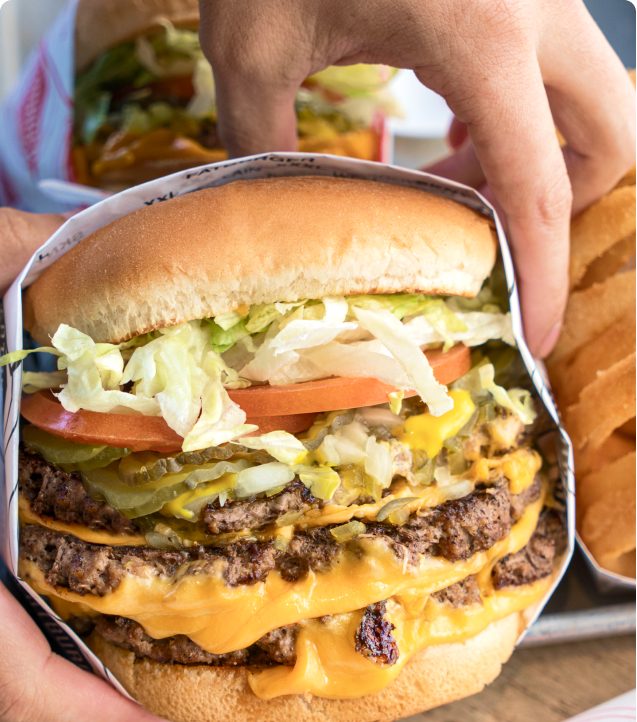
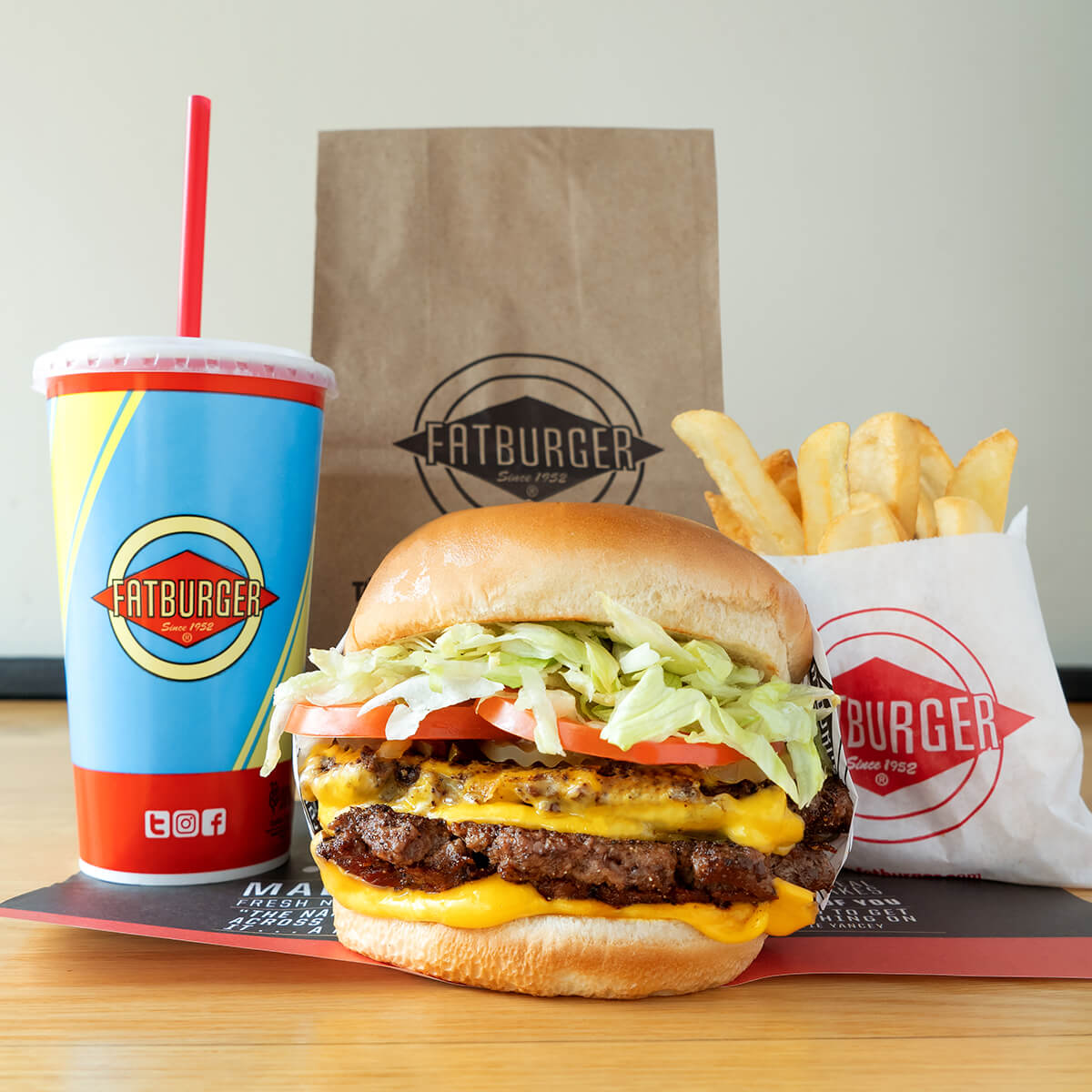
FAT Brands’ portfolio includes recognizable names such as Fatburger, Johnny Rockets, Round Table Pizza, and several other casual dining and fast‑casual concepts. Together, these brands account for more than 2,200 restaurant locations worldwide, most of which are independently owned and operated by franchisees.
The company’s strategy over the years focused on expansion through acquisition and brand diversification, a business approach that helped it build a sprawling portfolio. However, that growth came with heavy debt, which became increasingly difficult to manage as macroeconomic conditions tightened.
In its official bankruptcy filing, FAT Brands stated that it had voluntarily sought Chapter 11 protection. The restructuring process will allow it to work with creditors to reduce debt, reorganize obligations, and pursue operational stability while keeping its restaurants open.
How Chapter 11 Works and What It Means
Chapter 11 of the U.S. Bankruptcy Code allows a business to continue its operations while it reorganizes its financial affairs under court supervision. Unlike a Chapter 7 liquidation, which typically leads to a company’s dissolution and sale of its assets, a Chapter 11 filing is designed to give the debtor breathing room to negotiate new terms with creditors and restructure debt.
During the bankruptcy process, a company may renegotiate contracts, reduce liabilities, and develop a plan of reorganization that can be approved by the bankruptcy court. The goal is to emerge from bankruptcy as a financially healthier entity capable of continuing business operations.
For FAT Brands, the Chapter 11 path is intended to provide that breathing room. The company continues to operate its restaurants and maintain its relationships with franchise owners, suppliers, and customers. However, the details of its restructuring plan, including potential debt reductions and adjustments to corporate strategy, will be negotiated with creditors and overseen by the bankruptcy court.
Impact on Franchisees and Local Restaurants
Because FAT Brands primarily franchises its restaurant concepts rather than running the majority of locations itself, the bankruptcy’s immediate impact on daily operations may vary across the network.
Franchisees own and operate their individual restaurants, but they rely on corporate support for branding, marketing, supply chain coordination, and access to proprietary systems and promotional programs. During a Chapter 11 process, franchisees can face uncertainty about these support structures and what changes may lie ahead.
Some franchisees have voiced concern about future stability and whether corporate leadership can provide consistent guidance amid restructuring efforts. Others have taken a more pragmatic view, noting that local customer loyalty and day‑to‑day management often play a larger role in individual restaurant performance.
Despite these concerns, FAT Brands has emphasized that it intends to maintain normal operations throughout the bankruptcy process. The company has communicated to franchise partners and the public that its restaurants will remain open for business as it works through restructuring.
Broader Industry Trends
FAT Brands’ bankruptcy reflects broader patterns in the restaurant and hospitality industries, where businesses large and small are adjusting to evolving market conditions. Analysts point to a range of factors contributing to financial stress for some operators:
-
Consumer Spending Shifts: Diners increasingly value convenience, delivery options, and competitive pricing, which has bolstered fast‑casual and quick‑service segments relative to traditional dine‑in models.
-
Labor Market Pressures: Recruiting and retaining employees continues to be a challenge, leading to elevated wage costs and operational adaptations.
-
Supply Chain Costs: Fluctuating costs for ingredients, logistics, and utilities contribute to margin compression for operators with thin profit structures.
-
Competitive Saturation: New dining concepts, menu innovation, and alternative food formats increase competition for share of wallet.
These trends have not affected all restaurant groups equally, but they have reshaped the competitive landscape and forced many companies to reassess their strategic priorities.
Early Closures and Strategic Shifts
In the weeks and months preceding the bankruptcy filing, several locations within FAT Brands’ portfolio reportedly closed, particularly in areas where sales underperformed or costs outpaced revenue potential. These closures reflect efforts to streamline operations and reduce overhead ahead of formal restructuring.
Such tactical decisions are common when companies prepare for significant financial moves. Closing underperforming units can help stabilize cash flow and demonstrate proactive management to creditors considering reorganization terms.
At the same time, the company has faced criticism from some observers who argue that earlier strategic missteps contributed to its financial difficulties. Critics point to aggressive acquisition strategies, rapidly expanded portfolios, and heavy reliance on debt as factors that exacerbated vulnerabilities when economic conditions became less favorable.
Expert Perspectives on Restructuring
Financial analysts note that filing for Chapter 11 does not necessarily signal the end of a business. Many well‑known companies across various industries have used bankruptcy protection as a tool to reset their balance sheets and position themselves for future growth.
A successful restructuring often requires a clear plan that balances creditor interests with operational continuity. For franchise‑based companies, maintaining the confidence of franchise partners and preserving brand integrity are additional factors that can influence outcomes.
In FAT Brands’ case, success will depend on its ability to renegotiate debt, strengthen its portfolio, and adapt to current market trends. Analyst commentary suggests that while the bankruptcy filing acknowledges significant challenges, it also provides a structured environment in which the company can pursue long‑term viability.
What Comes Next
As the Chapter 11 process unfolds, several key developments will be closely watched:
-
Negotiations with Creditors: How the company and its lenders arrive at a reorganization plan that balances repayment with operational flexibility.
-
Brand and Franchise Strategy: Whether FAT Brands adjusts its approach to supporting individual concepts and franchisees.
-
Consumer Reception: How customers respond to ongoing operations and any changes in menu, service, or branding.
-
Market Response: How investors, competitors, and industry observers react to the restructuring process.
The outcome of the bankruptcy case could set a precedent for how other multifaceted franchising companies approach financial distress in a changing economic environment.
Conclusion
The Chapter 11 bankruptcy filing by this major restaurant franchiser illustrates how even established companies with diverse brand portfolios can encounter existential challenges amid economic shifts. By pursuing a legal avenue that offers restructuring opportunities, the company aims to reset its financial foundation while continuing to serve customers and support its network of franchisees.
The path forward will require careful negotiation, strategic focus, and an ability to balance short‑term pressures with long‑term goals. As the process continues, market participants and consumers alike will be watching to see how this high‑profile case influences the broader landscape of franchising and casual dining in the United States.

Emily Johnson is a critically acclaimed essayist and novelist known for her thought-provoking works centered on feminism, women’s rights, and modern relationships. Born and raised in Portland, Oregon, Emily grew up with a deep love of books, often spending her afternoons at her local library. She went on to study literature and gender studies at UCLA, where she became deeply involved in activism and began publishing essays in campus journals. Her debut essay collection, Voices Unbound, struck a chord with readers nationwide for its fearless exploration of gender dynamics, identity, and the challenges faced by women in contemporary society. Emily later transitioned into fiction, writing novels that balance compelling storytelling with social commentary. Her protagonists are often strong, multidimensional women navigating love, ambition, and the struggles of everyday life, making her a favorite among readers who crave authentic, relatable narratives. Critics praise her ability to merge personal intimacy with universal themes. Off the page, Emily is an advocate for women in publishing, leading workshops that encourage young female writers to embrace their voices. She lives in Seattle with her partner and two rescue cats, where she continues to write, teach, and inspire a new generation of storytellers.