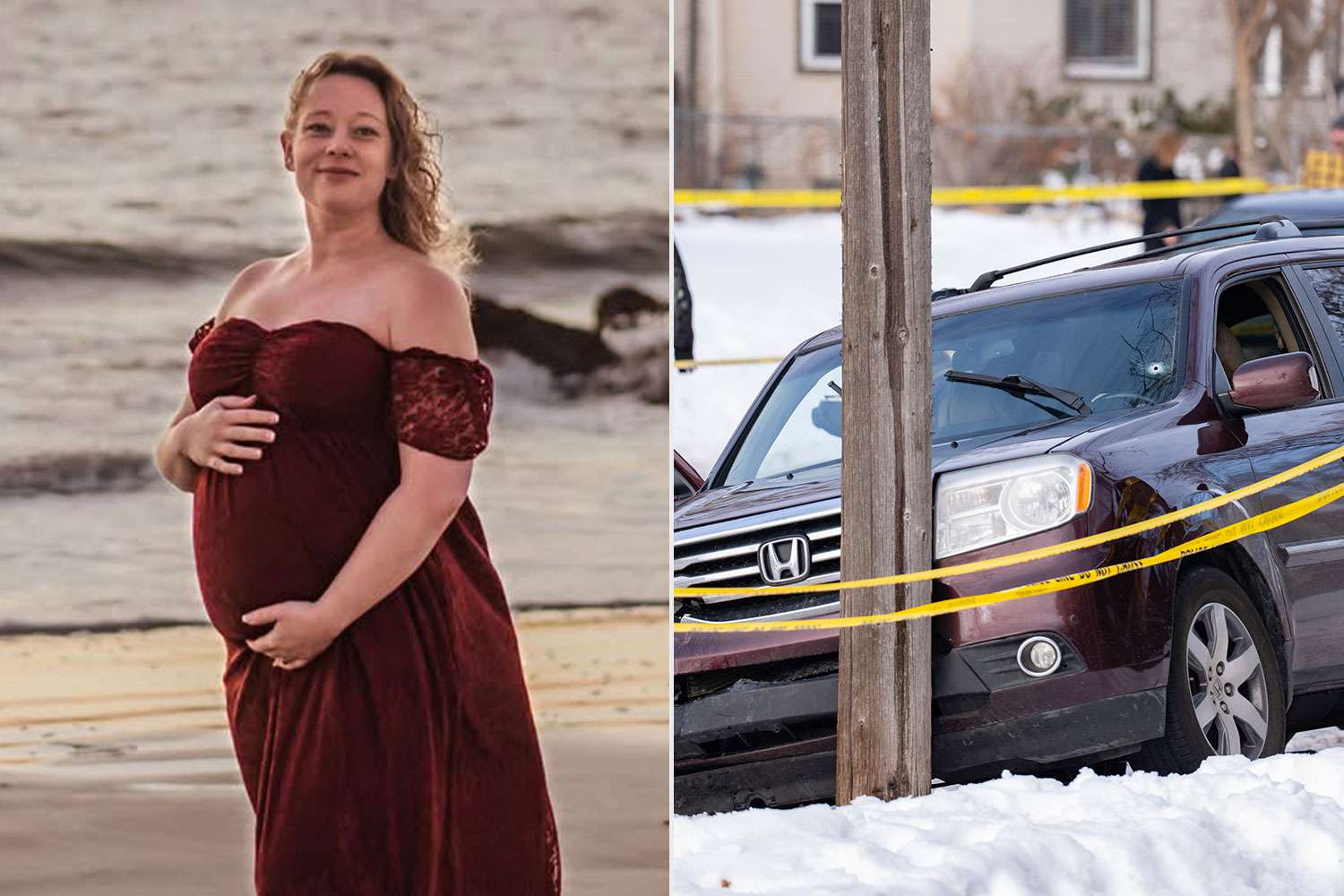
The tragic death of Renee Nicole Good, a 37-year-old Minnesota mother, has drawn national attention and sparked heated discussions about federal law enforcement, immigration policies, and the safety of civilians during federal operations. On January 7, 2026, Good was fatally shot by ICE agent Jonathan Ross in Minneapolis, Minnesota, in an incident that continues to ignite protests, legal debates, and political tension across the United States.
In a heartfelt statement released by her family, Good was described as “the beautiful light of our family” and a woman whose optimism and kindness impacted everyone around her. “Nae was relentlessly hopeful and contagious in her joy,” the family said. “We all already miss her more than words could ever express.” They thanked supporters nationwide for the outpouring of sympathy and emphasized that the same generosity she showed to others was now being reflected back to them during this difficult time.
The Day of the Shooting
According to her family and legal representatives, Good’s day began like any other. She and her wife, Becca Good, dropped their six-year-old child off at school. Their dog accompanied them in the backseat. On the return trip, they observed an ongoing ICE operation in their neighborhood. The family’s attorney noted that they stopped momentarily to observe and potentially assist neighbors, highlighting that Good was not involved in any criminal activity.
Video footage reportedly taken during the encounter shows Becca exiting the car while Renee remained in the driver’s seat. At one point, Good is seen calmly addressing agent Ross, saying, “That’s fine, dude. I’m not mad at you.” Soon after, when attempting to drive away from an officer approaching her vehicle, Good was fatally shot. Her family has stressed that the video depicts a woman acting defensively and without aggression, contradicting claims by the Department of Homeland Security (DHS) and the Trump administration that she had used her vehicle as a weapon.
Family and Legal Response
Good’s family has retained legal representation to pursue accountability and justice. Antonio M. Romanucci, founding partner at the firm representing the family, stated that the goal is to understand how Renee could have been killed on a public street after performing ordinary daily tasks such as dropping her child off at school. The investigation initiated by the family will operate independently from the Department of Justice (DoJ), which has declined to launch a formal inquiry, citing “no basis” for action. This decision has been criticized nationally, with multiple federal prosecutors resigning in protest.
The family emphasized that Renee’s death is not just a personal tragedy, but a public concern. They expressed their hope that the investigation will reveal whether federal agents acted appropriately and whether existing policies can prevent similar deaths in the future.
ICE’s Role and Federal Response
The fatal shooting of Good occurred amid a series of ICE operations in Minneapolis targeting undocumented immigrants. Officials have maintained that agent Ross fired in self-defense, claiming that Good used her vehicle to threaten federal personnel. However, analysis of available footage and eyewitness accounts has prompted skepticism. Minneapolis Mayor Jacob Frey publicly called the government’s account of events “garbage,” asserting that the official narrative misrepresents the actions of Good and the circumstances surrounding the shooting.
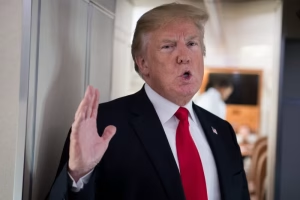
The Trump administration initially referred to Good as a “domestic terrorist,” with Homeland Security Secretary Kristi Noem asserting that her car had been weaponized in an attempt to injure federal agents. Later, President Donald Trump softened his public statements when speaking with Good’s father, acknowledging that under normal circumstances she appeared to be a “solid, wonderful person” but emphasizing that her actions were “pretty tough.”
Despite this adjustment in rhetoric, federal authorities have largely maintained that the use of lethal force was justified. Reports emerged that agent Ross may have sustained injuries during the incident, including internal bleeding, though the exact extent remains unclear. DHS confirmed that he was hospitalized briefly and has not yet returned to duty.
Escalating Protests in Minneapolis
In response to Good’s death, thousands of demonstrators have taken to the streets of Minneapolis and other cities across the country. Protests have ranged from peaceful vigils to confrontations with federal agents, highlighting widespread anger and concern over ICE operations and federal enforcement tactics.
During one protest, federal agents were seen forcibly removing a woman from her car after she allegedly obstructed ICE vehicles navigating through a demonstration. Witnesses reported that protesters shouted in outrage, comparing enforcement actions to historical atrocities and demanding accountability. ICE officials stated that at least 60 individuals were arrested for impeding officers or assaulting federal personnel.
The wave of protests has drawn further attention to the conduct and compensation of ICE agents. In one altercation, an agent bragged about earning $200,000 annually while responding to a protester, sparking debate about the public cost of federal enforcement and the allocation of resources.
Political Fallout
Good’s death has had significant political repercussions. Democrats have pushed for legislation to limit ICE’s operational authority and to require greater transparency and accountability. Some have called for impeachment proceedings against Secretary Noem due to her support of agent Ross’s actions.
Meanwhile, Republican lawmakers and members of the House Oversight Committee have largely supported the administration’s handling of the situation, emphasizing the necessity of enforcing immigration law and protecting federal agents. However, the broader public debate has intensified, highlighting the tension between federal authority and community rights.
In the midst of these developments, President Trump issued a warning to Minnesota officials, threatening to invoke the Insurrection Act if local authorities failed to control protests and protect ICE personnel. This unprecedented move would allow federal military forces to be deployed domestically, further escalating tensions between state and federal authorities. Legal experts have warned that the use of military force against protesters could provoke constitutional challenges and civil unrest.
International Attention and Broader Implications
The incident has drawn international scrutiny, with human rights organizations monitoring federal enforcement tactics and advocating for protections for civilians during law enforcement operations. Observers have noted that the case illustrates broader concerns about federal authority, immigration enforcement, and accountability when civilian lives are at risk.
Renee Nicole Good’s family, meanwhile, has remained focused on humanizing their loved one and advocating for systemic changes. They have described her as a devoted mother, wife, and community member who embodied optimism, joy, and kindness. Their statements have been widely circulated to convey that the tragedy transcends politics: it is about the safety and rights of ordinary citizens in the face of federal enforcement.
Looking Forward
The investigation into Renee Good’s death is ongoing, with her family pursuing legal action against the federal government. Meanwhile, protests in Minneapolis and other cities continue, reflecting both outrage at the specific incident and frustration over broader issues in immigration enforcement.
Federal and state authorities are under pressure to reconcile public safety, enforcement priorities, and civil liberties. The possibility of military involvement under the Insurrection Act looms over the city, raising questions about precedent, accountability, and the limits of executive power.
Observers note that the case of Renee Nicole Good may have lasting impacts on federal law enforcement policies, including the oversight of ICE operations and the treatment of civilians during raids. It has also heightened national awareness of the human cost of aggressive immigration enforcement, fueling debate over the balance between law enforcement and individual rights.
Conclusion
Renee Nicole Good’s death has become a symbol of the complex tensions between federal authority, civil liberties, and community safety. Her family’s tributes paint a picture of a woman full of life and hope, tragically cut short during a routine day. At the same time, her shooting has catalyzed nationwide discussions about ICE, federal enforcement practices, and the use of military force in response to civil unrest.
As Minneapolis continues to see daily protests and heightened scrutiny of federal operations, all eyes remain on local, state, and national officials. The outcomes of ongoing investigations, political debates, and legal proceedings will likely influence federal law enforcement policies for years to come. In the midst of the controversy, Renee Good’s family continues to honor her memory while advocating for accountability and systemic change, ensuring that her life and tragic death remain at the forefront of the national conversation.

Emily Johnson is a critically acclaimed essayist and novelist known for her thought-provoking works centered on feminism, women’s rights, and modern relationships. Born and raised in Portland, Oregon, Emily grew up with a deep love of books, often spending her afternoons at her local library. She went on to study literature and gender studies at UCLA, where she became deeply involved in activism and began publishing essays in campus journals. Her debut essay collection, Voices Unbound, struck a chord with readers nationwide for its fearless exploration of gender dynamics, identity, and the challenges faced by women in contemporary society. Emily later transitioned into fiction, writing novels that balance compelling storytelling with social commentary. Her protagonists are often strong, multidimensional women navigating love, ambition, and the struggles of everyday life, making her a favorite among readers who crave authentic, relatable narratives. Critics praise her ability to merge personal intimacy with universal themes. Off the page, Emily is an advocate for women in publishing, leading workshops that encourage young female writers to embrace their voices. She lives in Seattle with her partner and two rescue cats, where she continues to write, teach, and inspire a new generation of storytellers.