
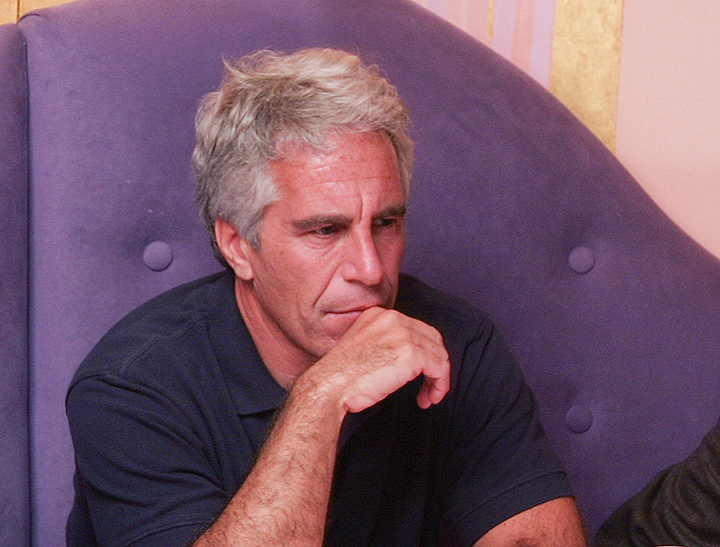
Newly unsealed documents from the U.S. Department of Justice have shed light on aspects of Jeffrey Epstein’s private life that were previously unknown to the public. The materials, which include detailed records of Epstein’s purchases, communications, and personal relationships, provide a window into the behavior of the disgraced financier, raising difficult questions about his conduct and the networks surrounding him.
The documents, made public earlier this month, come as lawmakers, journalists, and advocacy groups continue to examine the full scope of Epstein’s activities. While Epstein died in 2019 while awaiting trial on federal sex trafficking charges, the files offer a retrospective look at the habits, associations, and apparent interests of a man whose criminal actions have had far-reaching consequences.
An Unsettling Record of Purchases
The documents include a detailed record of Epstein’s shopping history, revealing a mix of innocuous, provocative, and deeply troubling items. Among these are books covering a range of topics, from literature and philosophy to true crime and psychology. Analysts and observers have noted that, in hindsight, some of these purchases suggest disturbing patterns of interest.
Epstein’s selection included works by Vladimir Nabokov, notably Lectures on Literature and Discourse and Ideology in Nabokov’s Prose by David H. J. Larmour. Nabokov is best known for the 1955 novel Lolita, which tells the story of a man’s sexual obsession with a 12-year-old girl. At the time, these literary choices may have seemed academic, but in the context of Epstein’s later criminal charges, they acquire a more sinister undertone.
Other books included Justine, originally published in 1791 by the Marquis de Sade, which contains graphic depictions of sexual violence and torture. Epstein reportedly purchased a copy of this book in 2016. That same year, he acquired a 2016 paperback titled Nobody Likes a C**block*, a work illustrated to resemble a children’s book but featuring adult humor. Additional titles include The Stranger Beside Me, Ann Rule’s memoir about serial killer Ted Bundy, and Lying by neuroscientist Sam Harris, which explores moral and societal questions related to truth and deception.
Purchases of Clothing, Toys, and Personal Items
The documents indicate that Epstein’s shopping extended beyond books. Records show purchases of children’s clothing, including uniforms and sleepwear for young girls. For example, in February 2018, he bought two sets of school uniforms described as suitable for school-aged girls. In June and July 2017, he ordered packs of baby clothing and toys, including stackable blocks, all shipped to his New York residence.
The purchases also included items explicitly intended for adult sexual activity, such as a product marketed as “vaginal tightening” and a portable spinning stripper pole, along with a leather whip. Other acquisitions ranged from antique-style telescopes to embroidered hats and small cameras.
The Item That Stands Out
Midway through the review of Epstein’s purchases, one item has drawn particular attention from both investigators and the media. While the documents provide a comprehensive view of his consumer habits, this specific purchase — discussed in court filings and highlighted by investigators — has been described as “most unsettling” and has sparked renewed scrutiny into Epstein’s behavior. Lawmakers and legal analysts have noted that this purchase, along with other evidence, may illuminate the patterns underlying Epstein’s broader criminal activity, although investigators have not publicly confirmed the item’s direct connection to any particular offenses.
Reactions from Lawmakers
The disclosure of these documents has prompted responses from members of Congress who recently reviewed the unredacted files for the first time. Representative Jamie Raskin, a Democrat from Maryland, spoke publicly about his reaction to the documents, noting that they referenced victims as young as nine years old.
“You read through these files, and you read about 15-year-old girls, 14-year-old girls, 10-year-old girls. I saw a mention of a 9-year-old girl today. I mean, this is just preposterous and scandalous,” he said. Raskin also noted that certain sections of the documents were heavily redacted, leaving the public with limited visibility into the full scope of Epstein’s relationships and associates.
Republican Representative Thomas Massie highlighted concerns about the individuals whose names were withheld in the files, suggesting that the redactions could indicate complicity or knowledge of Epstein’s activities. Democrat Ro Khanna similarly questioned why several prominent individuals were redacted without clear explanation.
The documents also reveal that six men, including at least one foreign government official, were named in materials that were partially redacted. While the identities of these individuals have not been made public, lawmakers noted that their inclusion raises further questions about the extent of Epstein’s social and professional network.
Epstein’s Relationship With Celina Dubin
Separate sections of the DOJ documents illuminate Epstein’s long-standing relationship with Celina Dubin, the daughter of his former partner Eva Dubin, a former Miss Sweden and 4th runner-up in the 1980 Miss Universe pageant. According to the filings, Epstein referred to Celina as his “goddaughter” and maintained frequent contact with her throughout her adolescence.
The documents detail that Epstein often communicated with Celina and her family in ways that, while presented as familial or mentoring, have raised eyebrows among observers. For instance, he offered advice and support for her modeling aspirations and reportedly provided guidance during her college applications. He also sent messages offering to purchase clothing for her during international trips.
Despite these interactions, the Dubin family has publicly emphasized that Celina had no involvement in Epstein’s criminal activities. A spokesperson for the family stated: “There is no justification for dragging Celina into a public controversy she had nothing to do with.” They further emphasized her academic achievements, including graduating magna cum laude from Harvard University and earning a medical degree from Mount Sinai in 2022.
The Broader Context
The newly released DOJ documents, along with prior court filings, paint a portrait of Epstein as a man who carefully curated his environment, his relationships, and even the items he purchased. While some purchases may have seemed innocuous or eccentric at the time, taken together they provide insight into his mindset and preoccupations.
Epstein’s case continues to reverberate in the public sphere, in part because of the unresolved questions surrounding his connections to powerful individuals and his ability to evade accountability for so long. The ongoing scrutiny has prompted lawmakers, advocates, and journalists to call for greater transparency and continued investigation into both his past activities and the networks he engaged with.
Legal and Ethical Implications
The release of these documents has also fueled debate regarding the handling of Epstein’s case by authorities, both prior to and after his death. Questions persist about the sufficiency of prior investigations, the redactions in the publicly available documents, and the responsibilities of institutions and individuals connected to Epstein.
Experts in law and ethics have pointed out that while the documents provide context, they are only part of a larger puzzle. Many items and communications require careful interpretation to avoid drawing unwarranted conclusions. Nonetheless, the disclosures have already influenced discussions about accountability, victim protection, and systemic failures that allowed Epstein to operate for decades.
Public Reaction and Media Coverage
Media outlets have highlighted the contents of the newly released documents, focusing on the disturbing nature of some of Epstein’s purchases and the breadth of his communications. News coverage has prompted social media discussions about the ways in which wealth and influence can shield individuals from scrutiny, as well as the need for continued vigilance in protecting vulnerable populations.
Advocacy groups have praised the release of the documents, noting that transparency is crucial for understanding the full scope of Epstein’s criminal activities and for supporting survivors of sexual abuse. At the same time, journalists and commentators caution against sensationalizing certain details without proper context, emphasizing that legal and ethical considerations remain paramount.
Conclusion
The DOJ’s newly released files provide a sobering glimpse into the private life of Jeffrey Epstein, highlighting both disturbing consumer habits and complex personal relationships. While some of the purchases and interactions documented are deeply unsettling, they also underscore the importance of rigorous investigation and responsible reporting.
As lawmakers, legal experts, and the public continue to examine these materials, the broader questions about accountability, influence, and the protection of vulnerable individuals remain urgent. The documents offer both insight and warning: even years after Epstein’s death, the consequences of his actions and the networks he cultivated continue to resonate.

Emily Johnson is a critically acclaimed essayist and novelist known for her thought-provoking works centered on feminism, women’s rights, and modern relationships. Born and raised in Portland, Oregon, Emily grew up with a deep love of books, often spending her afternoons at her local library. She went on to study literature and gender studies at UCLA, where she became deeply involved in activism and began publishing essays in campus journals. Her debut essay collection, Voices Unbound, struck a chord with readers nationwide for its fearless exploration of gender dynamics, identity, and the challenges faced by women in contemporary society. Emily later transitioned into fiction, writing novels that balance compelling storytelling with social commentary. Her protagonists are often strong, multidimensional women navigating love, ambition, and the struggles of everyday life, making her a favorite among readers who crave authentic, relatable narratives. Critics praise her ability to merge personal intimacy with universal themes. Off the page, Emily is an advocate for women in publishing, leading workshops that encourage young female writers to embrace their voices. She lives in Seattle with her partner and two rescue cats, where she continues to write, teach, and inspire a new generation of storytellers.