


NOTE: X POST at the end of the article.
A lawyer who once represented Jeffrey Epstein has weighed in after Elon Musk shocked the political world by alleging that former President Donald Trump is named in sealed court documents related to the disgraced financier’s sex trafficking case.
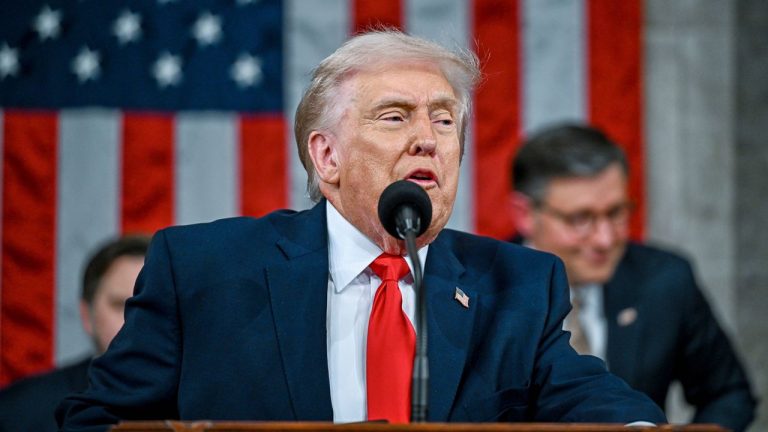
Musk’s explosive post on X (formerly Twitter) claimed Trump’s name appears in the infamous “Epstein files” and accused the former president of blocking their full release to protect himself. “Time to drop the really big bomb: @realDonaldTrump is in the Epstein files,” Musk wrote on June 5. “That is the real reason they have not been made public. Have a nice day, DJT!”
The Tesla CEO doubled down shortly after: “Mark this post for the future. The truth will come out.”
While the claim sparked a media frenzy, Epstein’s former criminal defense attorney, David Schoen, pushed back strongly. Writing on X, Schoen said:
“I can say authoritatively, unequivocally, and definitively that [Epstein] had no information to hurt President Trump. I specifically asked him!”
Schoen, who was hired just nine days before Epstein’s death in 2019, added that Epstein had sought his counsel for months beforehand and was actively engaged in legal strategy. The prominent civil rights attorney has also previously represented Trump during his second impeachment trial.
Schoen reiterated his belief that Epstein did not commit suicide, telling Fox News in a 2020 interview that Epstein had been “upbeat” and planning for a legal battle. “We had mapped out a strategy going forward,” he said.
The ‘Epstein Files’ and Musk’s Claim
The so-called “Epstein files” refer to sealed and unsealed court documents related to Epstein’s multiple criminal cases, including federal charges for sex trafficking minors in Florida and New York. Epstein, a former financier with deep connections in elite circles, died in his jail cell in August 2019. His death was ruled a suicide.
During his 2024 campaign, Trump had pledged to fully release the Epstein documents. Earlier this year, a partial release occurred under the direction of his attorney general, but the revelations fell short of public expectations, further fueling conspiracy theories that key information is being withheld.
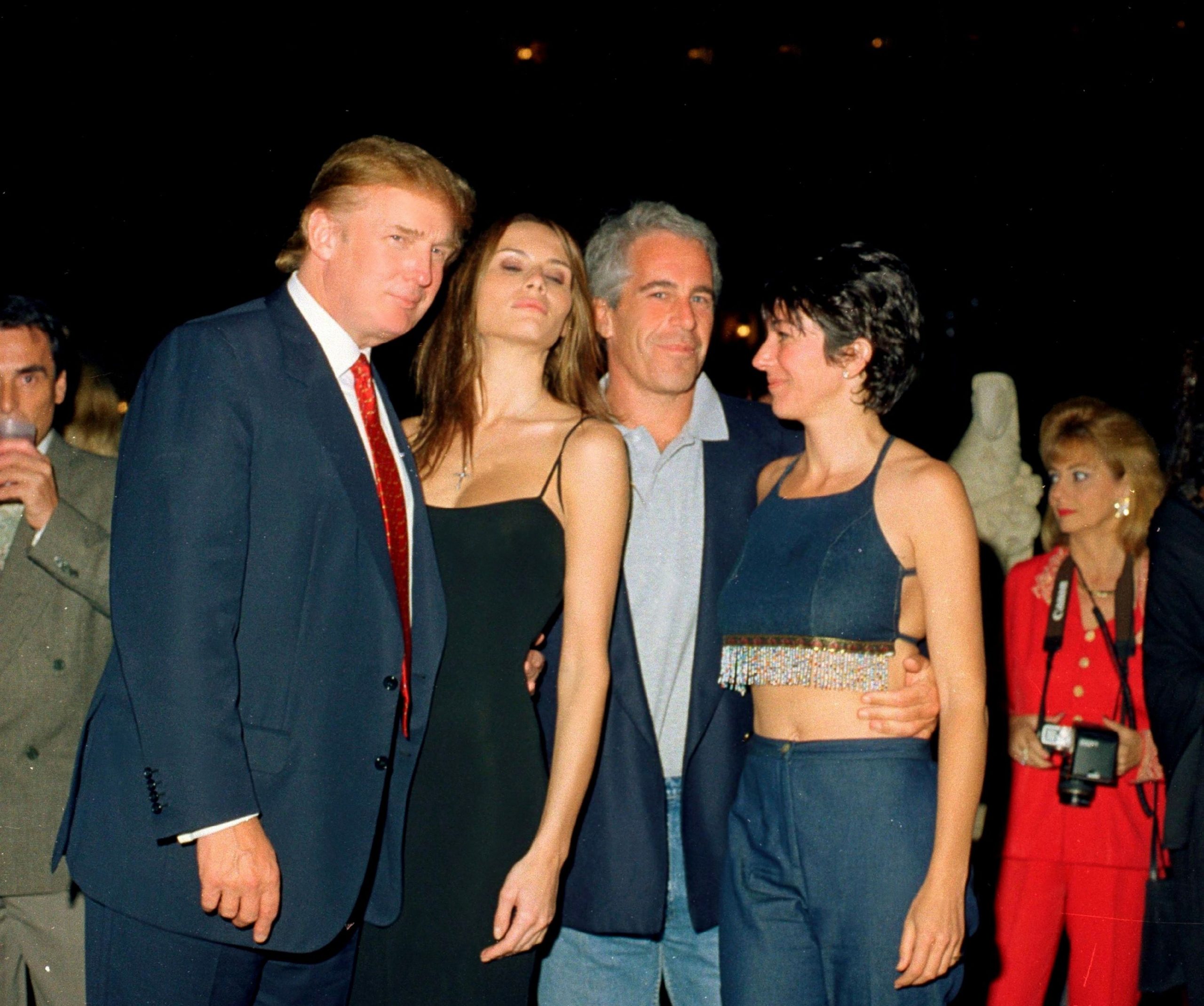
In photos that have resurfaced repeatedly, Trump and wife Melania are pictured with Epstein and Ghislaine Maxwell at Mar-a-Lago in 2000, evidence of their past social connection. And Trump, in a 2002 interview with New York Magazine, called Epstein a “terrific guy,” noting, “It is even said that he likes beautiful women as much as I do – and many of them are on the younger side.”
Despite the historic links, being named in the files does not automatically imply criminal wrongdoing. Trump has not been charged in connection with Epstein’s crimes, and Musk has provided no direct evidence to support his accusation.
What Happens Next?
The FBI and White House have both declined to comment on the validity of Musk’s claims. Trump has also yet to address the accusation directly, instead focusing on defending his spending bill and attacking Musk’s credibility in public statements.
With two high-profile figures now locked in a bitter war of words, and the nation still hungry for transparency around Epstein’s crimes and connections, the calls for the full release of the Epstein documents are growing louder.
For now, though, it remains a battle of narratives—and the truth behind Musk’s allegation may remain buried unless more concrete evidence emerges.


James Jenkins is a celebrated Pulitzer Prize-winning author whose work has reshaped the way readers think about social justice and human rights in America. Raised in Atlanta, Georgia, James grew up in a community that instilled in him both resilience and a strong sense of responsibility toward others. After studying political science and creative writing at Howard University, he worked as a journalist covering civil rights issues before dedicating himself fully to fiction. His novels are known for their sharp, empathetic portraits of marginalized communities and for weaving personal stories with broader political realities. Jenkins’s breakout novel, Shadows of Freedom, won national acclaim for its unflinching look at systemic inequality, while his more recent works explore themes of identity, resilience, and the fight for dignity in the face of oppression. Beyond his novels, James is an active public speaker, lecturing at universities and participating in nonprofit initiatives that support literacy and community empowerment. He believes that storytelling is a way to preserve history and inspire change. When not writing, James enjoys jazz music, mentoring young writers, and traveling with his family to explore cultures and stories around the world.