

A brief social media comment by one of the world’s most recognizable technology executives has ignited a fresh wave of online criticism, reigniting long-running debates about celebrity culture, power dynamics, and the responsibilities that come with an enormous public platform.
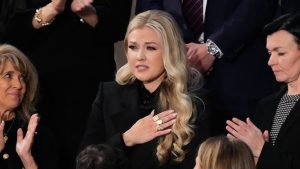
The controversy began after a widely shared post highlighted the latest public appearance of a major Hollywood actress at a high-profile film premiere in Los Angeles. The actress, currently enjoying a surge in popularity due to recent box office successes and acclaimed performances, appeared on the red carpet wearing a white designer dress that quickly drew attention across entertainment media and social platforms.
As is often the case with high-profile premieres, footage of the event circulated rapidly. A short video clip posted by an entertainment outlet showed the actress posing confidently for photographers, smiling and interacting with fans and press. Many viewers praised her look, describing it as elegant, striking, and emblematic of classic Hollywood glamour.
However, the attention shifted sharply when the owner of X, Elon Musk, responded directly to the post.
Rather than commenting on the film, the event, or the actress’s professional work, Musk replied with a short caption—“Can’t be easy”—accompanied by an image-based meme generated using artificial intelligence. The visual juxtaposed an exaggerated depiction of a large-breasted woman with an image implying physical strain, particularly on the spine.
Although Musk did not mention the actress by name in his reply, the context of the post made his reference clear to many observers. The remark immediately drew scrutiny, with critics arguing that it reduced a successful actress to a physical attribute and crossed an unnecessary line.
Within minutes, reactions poured in.
Screenshots of the reply spread rapidly across X and other platforms, with users expressing shock, disbelief, and frustration. Many questioned why a billionaire technology executive, whose companies span aerospace, artificial intelligence, and electric vehicles, would choose to publicly comment on a young actor’s body.
One user wrote that the comment felt “wildly out of place” given the professional context of the original post. Another remarked that it appeared as though Musk had “forgotten which account he was using,” suggesting that the tone resembled private commentary rather than something intended for millions of followers.
Others were more direct. Several responses pointed out the significant age gap between Musk and the actress, while some questioned whether such commentary would have been tolerated on major platforms just a few years earlier. One widely liked reply argued that remarks like this demonstrate how shifting norms on social media have normalized behavior that previously would have triggered swift professional consequences.
The discussion soon expanded beyond the initial comment and into broader cultural territory.
Supporters of Musk pushed back, arguing that his reply was being misinterpreted. Some claimed he was referencing a well-documented medical reality: that individuals with disproportionately large breasts can experience chronic back, neck, and shoulder pain. Medical institutions, including major U.S. health organizations, have acknowledged that such physical strain can lead to long-term discomfort and, in some cases, surgical intervention.
A number of users identifying themselves as women shared personal experiences with similar issues, saying the comment resonated with their own struggles. Some framed Musk’s remark as clumsy but not malicious, interpreting it as an attempt—however awkward—to acknowledge a physical burden rather than to objectify.
Still, critics argued that intent does not negate impact.
Media analysts noted that even if the reference was to physical discomfort, making such an observation publicly about a specific individual—particularly a woman whose appearance is already subject to intense scrutiny—was unnecessary and inappropriate. They emphasized that context matters, especially when comments come from figures with immense cultural and economic influence.
The actress at the center of the controversy has not responded publicly, and representatives have not issued a statement. Historically, she has kept a measured approach to online discourse, rarely engaging directly with social media controversies. Industry observers say that silence in such cases is often strategic, allowing the moment to pass without amplifying it further.
Nevertheless, the incident has reignited conversations about how female celebrities are discussed online, particularly when those discussions come from powerful men outside the entertainment industry.
Cultural critics pointed out that actresses frequently face a double standard: their professional achievements are often overshadowed by commentary on their bodies, wardrobe choices, or perceived attractiveness. This scrutiny, they argue, becomes even more pronounced when amplified by figures whose platforms reach tens of millions of people.
The role of artificial intelligence in the episode also drew attention.
The use of an AI-generated image in the reply raised additional concerns about how emerging technologies can be used to exaggerate or caricature physical traits. Some commentators warned that such imagery, even when intended as humor, contributes to unrealistic body standards and reinforces harmful stereotypes.
“This isn’t just about one comment,” wrote one media columnist. “It’s about how power, technology, and visibility intersect in ways that often leave women bearing the brunt of public commentary.”
Others noted that Musk’s history of provocative online behavior has repeatedly placed him at the center of similar debates. From political commentary to jokes about corporate governance, his social media presence has long blurred the line between personal expression and corporate influence. Critics argue that his ownership of the platform makes such moments even more consequential, as they shape norms for acceptable discourse.
At the same time, defenders maintain that Musk’s unfiltered style is precisely what his followers expect and appreciate. They argue that attempts to police tone or humor risk creating a sanitized online environment that stifles open expression.
That tension—between free expression and social responsibility—remains unresolved.
Public relations experts say incidents like this highlight the evolving expectations placed on high-profile figures. In an era where a single comment can dominate news cycles, the margin for error has narrowed significantly. What might once have been dismissed as an offhand remark now becomes a litmus test for cultural awareness.
Meanwhile, the actress continues her professional ascent. Her latest film premiere was intended to celebrate a major career milestone, and industry insiders report strong early interest in her upcoming projects. For many fans, the controversy served as an unwelcome distraction from her work.
As the online reaction begins to subside, the episode leaves behind lingering questions: how public figures should engage with celebrity culture, how humor translates across power imbalances, and how social media continues to reshape the boundaries of public commentary.
For now, the moment stands as another example of how quickly a single post can spark widespread debate—and how, in the digital age, even a few words can carry outsized weight.

Emily Johnson is a critically acclaimed essayist and novelist known for her thought-provoking works centered on feminism, women’s rights, and modern relationships. Born and raised in Portland, Oregon, Emily grew up with a deep love of books, often spending her afternoons at her local library. She went on to study literature and gender studies at UCLA, where she became deeply involved in activism and began publishing essays in campus journals. Her debut essay collection, Voices Unbound, struck a chord with readers nationwide for its fearless exploration of gender dynamics, identity, and the challenges faced by women in contemporary society. Emily later transitioned into fiction, writing novels that balance compelling storytelling with social commentary. Her protagonists are often strong, multidimensional women navigating love, ambition, and the struggles of everyday life, making her a favorite among readers who crave authentic, relatable narratives. Critics praise her ability to merge personal intimacy with universal themes. Off the page, Emily is an advocate for women in publishing, leading workshops that encourage young female writers to embrace their voices. She lives in Seattle with her partner and two rescue cats, where she continues to write, teach, and inspire a new generation of storytellers.