

Donald Trump’s Unexpected Take on Elon Musk’s Poll Numbers
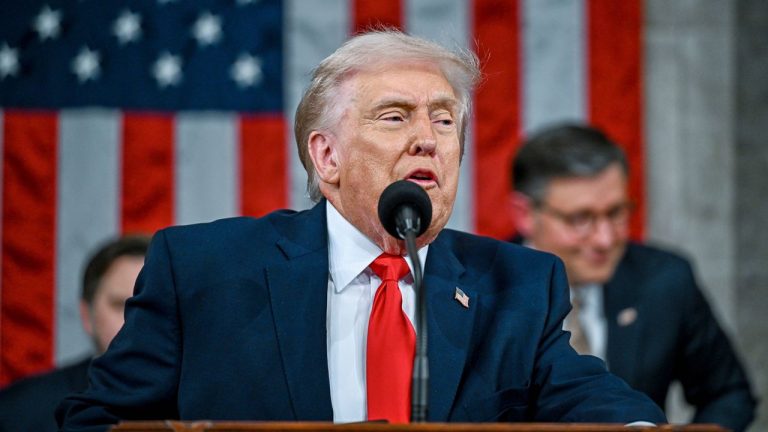
President Donald Trump has commented on a recent survey naming a high-profile business leader as the most unpopular person in America right now. The remark came as part of a Wednesday announcement in which Apple pledged to invest $100 billion in the United States.
Trump, 79, was asked to weigh in on the Gallup poll, which found the SpaceX and Tesla CEO sitting at a 61 percent unfavorable rating, with just 33 percent holding a favorable view—a net score of minus 28, the lowest of any figure on the list. For context, Israeli Prime Minister Benjamin Netanyahu came in second-worst at minus 23, while Trump himself landed at minus 16.
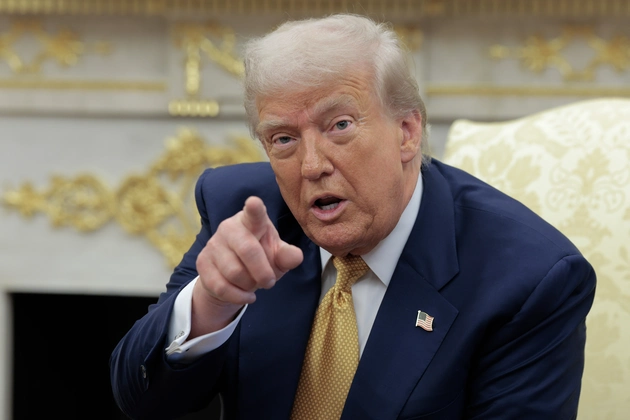
“I don’t know if the poll’s accurate,” Trump told reporters in the Oval Office. “I think he’s a good person—I think he had a bad moment, really bad moment. But he’s a good person—I believe that.”
The two men’s friendship cooled sharply earlier this year. The business mogul left his advisory role in the Trump administration in late May, reportedly over policy disagreements and after pushing unsubstantiated claims about Trump’s connection to the Epstein files. At the time, he even called for the president’s impeachment. But weeks later, he publicly walked some of that back, admitting, “I regret some of my posts about President @realDonaldTrump last week. They went too far.”
A Rocky Year for Musk
Musk’s 2025 has been turbulent. In January, he faced accusations—denied by him—of making a Nazi-style salute during Trump’s inauguration rally. Soon after, he openly criticized the president’s $500 billion AI project, suggesting the administration didn’t actually have the funding to launch it.
Serving as head of the newly formed Department of Government Efficiency (DOGE), Musk stepped down two days earlier than planned, after blasting Trump’s signature tax bill—a package freezing overtime taxes and introducing temporary cuts until 2028—as a “disgusting abomination.”
The split left many wondering if their political and business alliance was beyond repair.
Meanwhile at Tesla
While Musk’s political standing took a hit, Tesla handed him a financial lifeline. In August, the company’s board approved a staggering $29 billion “good faith” payment, following the court-ordered rescission of his 2018 $56 billion pay package. The Delaware ruling had concluded that Musk engineered the deal in non-independent negotiations with friendly board members.
The new arrangement grants him 96 million shares of restricted stock, valued at roughly $29 billion, provided he pays $2 billion upfront to acquire them. If his original 2018 package is reinstated on appeal, the new award will be forfeited.
Tesla shares have slid 25 percent this year, with analysts partly blaming the fallout from his ties to Trump. But market watchers like Wedbush’s Dan Ives believe the stock award could steady investor nerves and keep Musk as CEO until at least 2030.
Looking Ahead
Despite their public disagreements, Trump’s recent remarks suggest he hasn’t completely closed the door on his former ally. For Musk, the challenge remains balancing political turbulence with his role at the helm of one of the world’s most valuable carmakers. Whether the poll numbers reflect a temporary dip or a lasting shift in public perception, both men continue to dominate headlines—sometimes together, sometimes apart.

Emily Johnson is a critically acclaimed essayist and novelist known for her thought-provoking works centered on feminism, women’s rights, and modern relationships. Born and raised in Portland, Oregon, Emily grew up with a deep love of books, often spending her afternoons at her local library. She went on to study literature and gender studies at UCLA, where she became deeply involved in activism and began publishing essays in campus journals. Her debut essay collection, Voices Unbound, struck a chord with readers nationwide for its fearless exploration of gender dynamics, identity, and the challenges faced by women in contemporary society. Emily later transitioned into fiction, writing novels that balance compelling storytelling with social commentary. Her protagonists are often strong, multidimensional women navigating love, ambition, and the struggles of everyday life, making her a favorite among readers who crave authentic, relatable narratives. Critics praise her ability to merge personal intimacy with universal themes. Off the page, Emily is an advocate for women in publishing, leading workshops that encourage young female writers to embrace their voices. She lives in Seattle with her partner and two rescue cats, where she continues to write, teach, and inspire a new generation of storytellers.