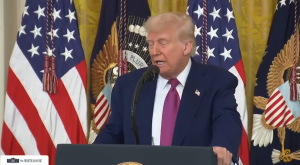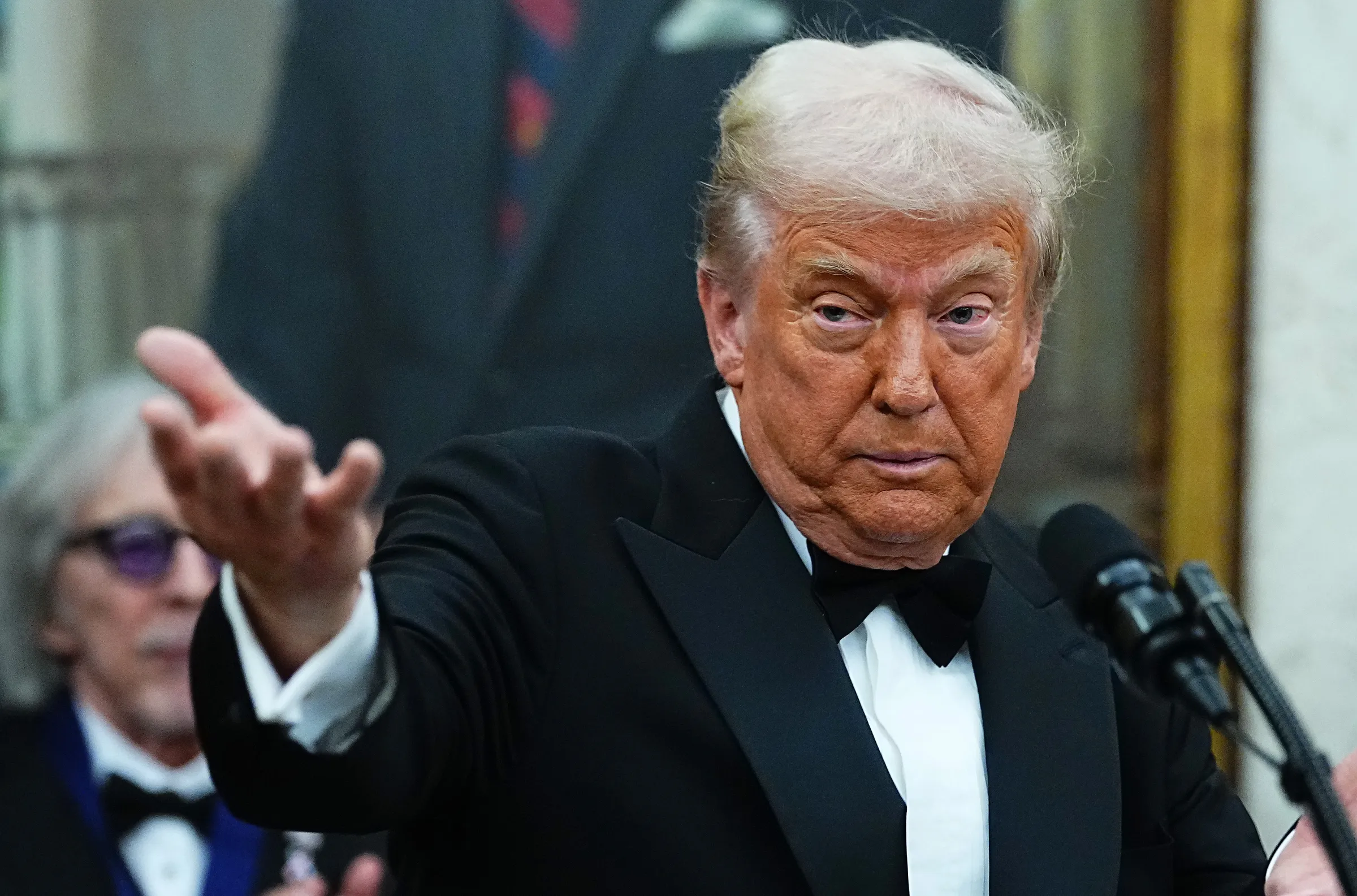
A high-profile arts event in Washington, D.C., captured national attention recently when the host made surprising and candid remarks to the audience, describing some attendees as “miserable, horrible people.” The annual ceremony, designed to honor significant contributions in music, film, and theater, has long been celebrated as a prestigious cultural moment. However, this year’s iteration has generated debate due to the host’s unorthodox approach, blending praise for artists with pointed commentary directed at those in attendance.
The event, traditionally seen as a gathering of luminaries from across the entertainment and arts communities, featured a mix of performances and award presentations. In previous years, the ceremony has largely focused on celebrating creative excellence and honoring the lifetime achievements of distinguished artists without controversy. Attendees, including performers, producers, and arts patrons, were expected to experience an evening of reflection, recognition, and celebration.
A Bold Address to the Audience
During his remarks, the host emphasized the theme of persistence, highlighting the dedication required for artistic mastery. He praised the honorees for their unwavering commitment to their craft, noting how each of them had overcome significant challenges and setbacks. The speech underscored the idea that the arts demand perseverance, hard work, and a relentless drive to succeed despite obstacles.
Yet, in an unexpected twist, the host also turned part of his attention to the audience, making candid observations about those in attendance. While acknowledging their persistence, he added a pointed jab, labeling many in the crowd as “miserable, horrible people.” The remark, delivered with a mixture of humor and bluntness, immediately caught the attention of those present and quickly became a topic of discussion online.
Highlighting Artistic Achievement
The ceremony recognized five notable artists across various disciplines, emphasizing the significant cultural contributions they have made. These awards celebrated accomplishments in music, theater, and film, drawing attention to the honorees’ dedication, innovation, and influence.
The event sought to inspire attendees by showcasing how persistence and creativity can lead to extraordinary results. The honorees exemplified the idea that excellence in the arts often requires resilience and the ability to overcome adversity, whether through personal struggles, professional obstacles, or broader societal challenges.
Introducing the Host and His Role
At the center of the event’s unconventional approach is President Donald Trump, who personally hosted the 2025 Kennedy Center Honors. This marked a historic first, as no sitting or former U.S. president had ever taken on the role of host for the ceremony. Trump’s involvement came after a series of significant changes to the institution earlier in the year, including restructuring the Kennedy Center’s board and assuming the role of chairman.
Trump’s approach to the event combined elements of leadership, oversight, and personal commentary. By taking the reins of the ceremony, he sought to leave his mark on the prestigious annual gathering while also reinforcing his broader vision for the arts center. His direct engagement with the audience, including his pointed remarks, reflected a more assertive and unconventional style than typically seen at these honors.
Audience Reactions and Public Response
The host’s candid assessment of the audience drew immediate attention and mixed reactions. Some attendees were amused, taking the comment in stride as part of the evening’s entertainment, while others expressed surprise or discomfort at being labeled in such stark terms. Social media users quickly amplified the conversation, sharing clips and commentary that highlighted the unexpected remark.
Commentators noted that the juxtaposition of celebrating artistic excellence while critiquing members of the audience created a striking contrast. Many observed that the approach was unusual for a ceremony that traditionally emphasizes decorum and recognition over personal commentary directed at attendees.
Reforming the Kennedy Center
Trump’s involvement followed substantial changes to the Kennedy Center’s leadership earlier in 2025. In February, the board underwent a major restructuring, with several members replaced by allies of the president. Shortly thereafter, Trump was elected chairman by the new board, which includes high-profile figures from both government and private sectors.
The restructuring aimed, according to statements from the administration, to align the center more closely with the president’s vision for the arts. Trump emphasized the importance of restoring prestige and excellence to the institution while removing what he described as underwhelming or “woke” productions. Critics, however, argued that these changes reflected an unprecedented level of personal influence over a cultural institution historically governed with autonomy.
Funding and Vision for the Arts
During his remarks, Trump highlighted fundraising achievements and plans for the Kennedy Center’s future. He shared that more than $100 million had been raised recently, exceeding previous benchmarks and positioning the center for ambitious programming and facility enhancements. Trump framed these accomplishments as evidence that the Kennedy Center is “back” and poised to be “bigger and better and more beautiful than ever before.”
He also referenced his ongoing involvement in curating performances and selecting honorees, underscoring the administration’s commitment to excellence and high standards. The president positioned these efforts as a continuation of his broader approach to leadership, emphasizing oversight, accountability, and personal engagement.
Honorees and Their Contributions
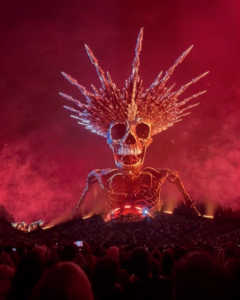
The 2025 honorees included Sylvester Stallone, George Strait, KISS, Gloria Gaynor, and Michael Crawford. Each was recognized for contributions that span film, music, and theater, highlighting the diversity of talent celebrated at the Kennedy Center.
Trump praised their persistence, resilience, and dedication to craft, framing them as exemplars of excellence in American culture. In his address, he drew parallels between the challenges faced by these artists and the broader idea that success in the arts requires overcoming obstacles while remaining committed to one’s vision.
Controversy and Criticism
Despite the celebratory nature of the ceremony, Trump’s remarks about audience members drew scrutiny. Critics argued that labeling attendees as “miserable, horrible people” was inappropriate for a formal event intended to honor achievement and artistic contribution. Some suggested that the comment overshadowed the accomplishments of the honorees, shifting focus from celebration to controversy.
Others pointed to broader concerns regarding the president’s control over the Kennedy Center. By restructuring the board and selecting honorees personally, Trump has drawn attention to the potential influence of political leadership on cultural institutions. This has sparked debate about the balance between oversight and independence in the arts.
Historical Context and Public Debate
The Kennedy Center Honors have long been a venue for celebrating creativity and artistic achievement in a neutral and respectful environment. Past ceremonies have focused on recognizing exceptional contributions without direct commentary on the audience or overt political influence.
Trump’s tenure as chairman and his decision to host the 2025 ceremony personally marked a departure from tradition. His remarks exemplify a broader trend of blending political identity with cultural leadership, raising questions about the appropriate role of government officials in arts institutions.
Looking Forward
The Kennedy Center Honors continue to occupy a prominent place in American cultural life, drawing attention from national and international media. Trump’s active participation, while historic, has generated both admiration and critique, reflecting the complex intersection of politics, art, and public perception.
As the debate unfolds, questions remain about the long-term implications of increased presidential influence over cultural institutions. Observers are watching closely to see whether future ceremonies will maintain traditional norms of celebration and decorum or continue to incorporate more direct engagement and commentary from political leadership.
Trump’s candid statement, labeling some audience members as “miserable, horrible people,” has already become a notable moment in the event’s history, ensuring that the 2025 Kennedy Center Honors will be remembered as one of the most controversial editions of the ceremony.

Emily Johnson is a critically acclaimed essayist and novelist known for her thought-provoking works centered on feminism, women’s rights, and modern relationships. Born and raised in Portland, Oregon, Emily grew up with a deep love of books, often spending her afternoons at her local library. She went on to study literature and gender studies at UCLA, where she became deeply involved in activism and began publishing essays in campus journals. Her debut essay collection, Voices Unbound, struck a chord with readers nationwide for its fearless exploration of gender dynamics, identity, and the challenges faced by women in contemporary society. Emily later transitioned into fiction, writing novels that balance compelling storytelling with social commentary. Her protagonists are often strong, multidimensional women navigating love, ambition, and the struggles of everyday life, making her a favorite among readers who crave authentic, relatable narratives. Critics praise her ability to merge personal intimacy with universal themes. Off the page, Emily is an advocate for women in publishing, leading workshops that encourage young female writers to embrace their voices. She lives in Seattle with her partner and two rescue cats, where she continues to write, teach, and inspire a new generation of storytellers.