

Military analysts report that recent killings in Palmyra have prompted the Syrian government to strengthen its coordination with international partners, including the United States, neighboring Jordan, and Kurdish-led Syrian forces. The attacks highlight the ongoing volatility in the region and underscore the complex dynamics between the Syrian state, militant groups, and foreign powers.
Syria’s government, now led by a coalition that emerged after last year’s upheaval, is navigating a delicate balance between asserting authority and cooperating with external actors to maintain stability. The current administration was formed after rebels successfully overthrew Bashar al-Assad following a 13-year civil war. Notably, some members of the government include factions linked to Al-Qaeda, who maintain a shared opposition to ISIS but hold diverging strategic priorities.
The new Syrian president, Ahmed al Sharaa, has been a figure of controversy. Until recently, he was officially designated a “terrorist” by the U.S. Department of the Treasury. In a dramatic development ahead of planned talks with President Donald Trump at the White House, the Treasury removed Sharaa from its Specially Designated Global Terrorist list. This diplomatic maneuver cleared the way for official engagement and reflects the U.S.’s broader strategic priorities in addressing terrorism while fostering dialogue with regional governments.
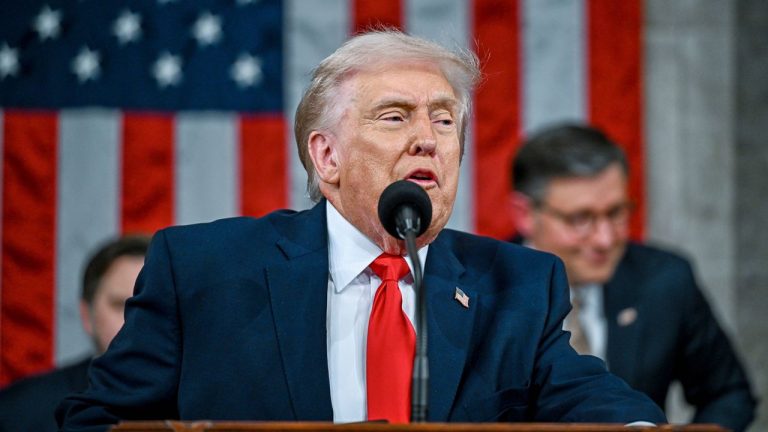
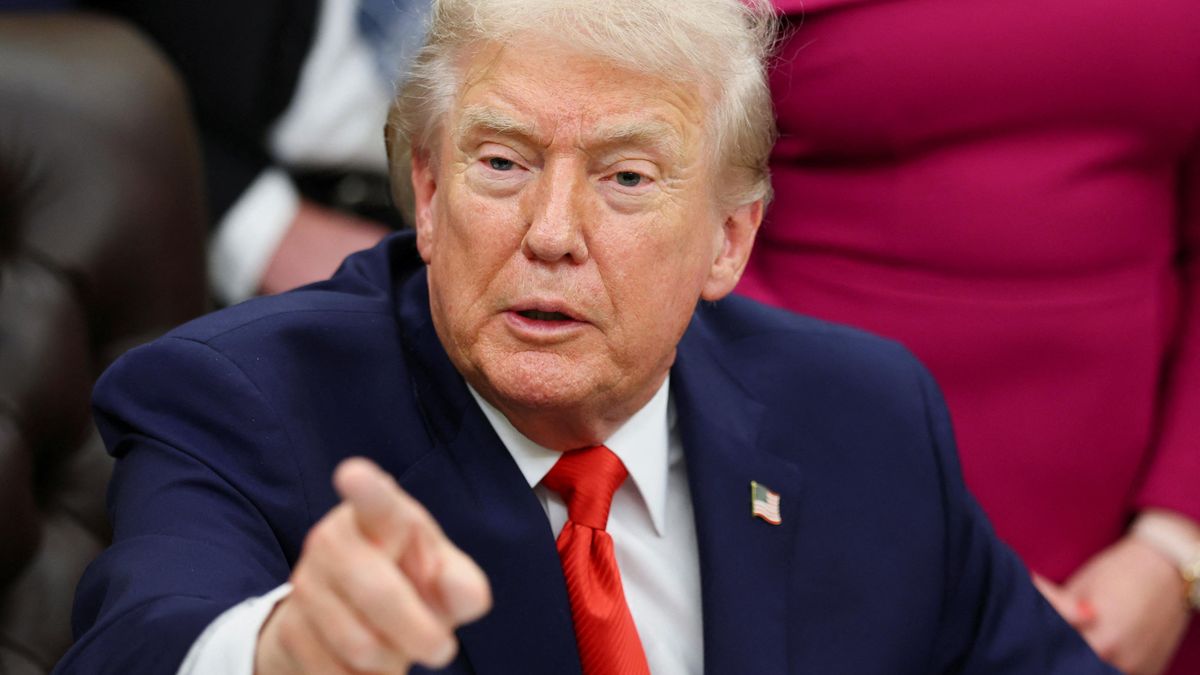
The U.S. response to the Palmyra killings was swift and decisive. As Operation Hawkeye Strike commenced, President Trump addressed the nation on his social media platform Truth Social, describing the mission as both measured and necessary. “Because of ISIS’s vicious killing of brave American Patriots in Syria, whose beautiful souls I welcomed home to American soil earlier this week in a very dignified ceremony, I am hereby announcing that the United States is inflicting very serious retaliation, just as I promised, on the murderous terrorists responsible,” he wrote.
Trump further emphasized the strategic goal of the operation, noting, “We are striking very strongly against ISIS strongholds in Syria, a place soaked in blood which has many problems, but one that has a bright future if ISIS can be eradicated.” His statement framed the mission not only as retribution for the killings but also as a step toward long-term stabilization and counterterrorism efforts in a region that has long been destabilized by conflict.
Jordan, sharing both geographical proximity and a direct stake in regional security, also participated in the operation. The country has a history of confronting ISIS directly, most notably in 2015 when a Jordanian Air Force pilot was executed in public by the group. King Abdullah II vowed that “his blood will not be shed in vain,” and Jordan’s involvement in the recent strikes reflects a continued commitment to combating ISIS in neighboring Syria. Security sources confirm that Jordan’s airstrikes primarily targeted southern areas of Syria, complementing U.S. operations in the central and north-eastern Badia desert.
While the Syrian government was not actively directing the strikes, officials reported that the operations had the state’s full support. In a formal statement, the foreign ministry affirmed its commitment to eradicating ISIS, emphasizing that the group must not maintain any safe havens within Syrian territory. This cooperation highlights a rare moment of alignment between the Syrian government and international military partners, united by a common goal of neutralizing extremist threats.
Operation Hawkeye Strike involved around 1,000 U.S. troops stationed in Syria as part of a long-running mission to dismantle ISIS infrastructure and prevent the group from reestablishing a territorial foothold. Although ISIS has not controlled any significant territory in Syria since 2018, the group continues to carry out sporadic attacks, demonstrating that its threat has not been fully eliminated. The operation underscores the ongoing necessity of maintaining a U.S. military presence in the region, both to counter terrorist activity and to reassure allies of America’s commitment to regional security.
Military analysts point out that the Palmyra incident acted as a catalyst for this coordinated response. The killings shocked local communities and reinforced the perception that ISIS, despite its territorial losses, remains capable of targeting civilians, coalition forces, and regional security personnel. The swift retaliation by the U.S. and Jordan is intended to send a clear message: attacks on coalition forces and innocent civilians will be met with overwhelming force.
The operation also has broader geopolitical implications. By striking ISIS targets in coordination with Jordanian forces, the United States demonstrates its ongoing influence in the region and its ability to mobilize allies for joint military initiatives. Meanwhile, Syria’s cooperation, however limited, signals a pragmatic approach by the current government to leverage international partnerships in the fight against extremism, even as it navigates internal political complexities.
President Trump framed the operation as both a moral imperative and a strategic necessity. By linking the military response to the honor of fallen American service members, he reinforced the symbolic importance of the strikes while underscoring the tangible objective of degrading ISIS capabilities. The operation also illustrates the United States’ willingness to act unilaterally when necessary but within a framework of multilateral coordination, particularly with regional allies who share the stakes and risks associated with the fight against terrorism.
In addition to military objectives, the operation is part of a broader strategy to stabilize Syria and its neighboring regions. Analysts suggest that sustained pressure on ISIS, combined with diplomatic engagement with regional governments, could create conditions for reconstruction, governance, and economic recovery in areas long affected by war. While the path to stability remains uncertain, the recent strikes serve as a reminder that counterterrorism efforts continue to be a top priority for both the U.S. and its allies.
Ultimately, the recent developments in Syria highlight the enduring complexity of the conflict. The region continues to be shaped by overlapping political, military, and ideological forces, including local governments, international coalitions, and extremist organizations. The deaths in Palmyra and the resulting military response underscore both the persistent threat posed by ISIS and the ongoing commitment of the United States, Jordan, and other partners to eliminate such threats wherever they arise.
As Operation Hawkeye Strike unfolds, the international community will be closely monitoring the situation. Analysts expect that further assessments will evaluate the effectiveness of the strikes, the response of remaining ISIS elements, and the potential for renewed cooperation between Syria and international partners. For now, the coordinated U.S. and Jordanian efforts demonstrate a decisive approach to counterterrorism, combining military action with strategic diplomacy to confront one of the most enduring extremist threats in the Middle East.

Emily Johnson is a critically acclaimed essayist and novelist known for her thought-provoking works centered on feminism, women’s rights, and modern relationships. Born and raised in Portland, Oregon, Emily grew up with a deep love of books, often spending her afternoons at her local library. She went on to study literature and gender studies at UCLA, where she became deeply involved in activism and began publishing essays in campus journals. Her debut essay collection, Voices Unbound, struck a chord with readers nationwide for its fearless exploration of gender dynamics, identity, and the challenges faced by women in contemporary society. Emily later transitioned into fiction, writing novels that balance compelling storytelling with social commentary. Her protagonists are often strong, multidimensional women navigating love, ambition, and the struggles of everyday life, making her a favorite among readers who crave authentic, relatable narratives. Critics praise her ability to merge personal intimacy with universal themes. Off the page, Emily is an advocate for women in publishing, leading workshops that encourage young female writers to embrace their voices. She lives in Seattle with her partner and two rescue cats, where she continues to write, teach, and inspire a new generation of storytellers.