Former CNN anchor Don Lemon has recently become the subject of federal legal proceedings following his presence at a protest that disrupted a worship service in St. Paul, Minnesota. The protest and its legal aftermath have drawn national attention, raising questions about the boundaries between journalism, activism, and civil rights law.
Events on January 18, 2026
On January 18, 2026, a group of demonstrators entered Cities Church in St. Paul during a regular worship service. The protest targeted a pastor at the church who also held a leadership role with the U.S. Immigration and Customs Enforcement (ICE) field office in St. Paul. The protesters interrupted the service by chanting, confronting worshippers, and creating significant disruption inside the church.
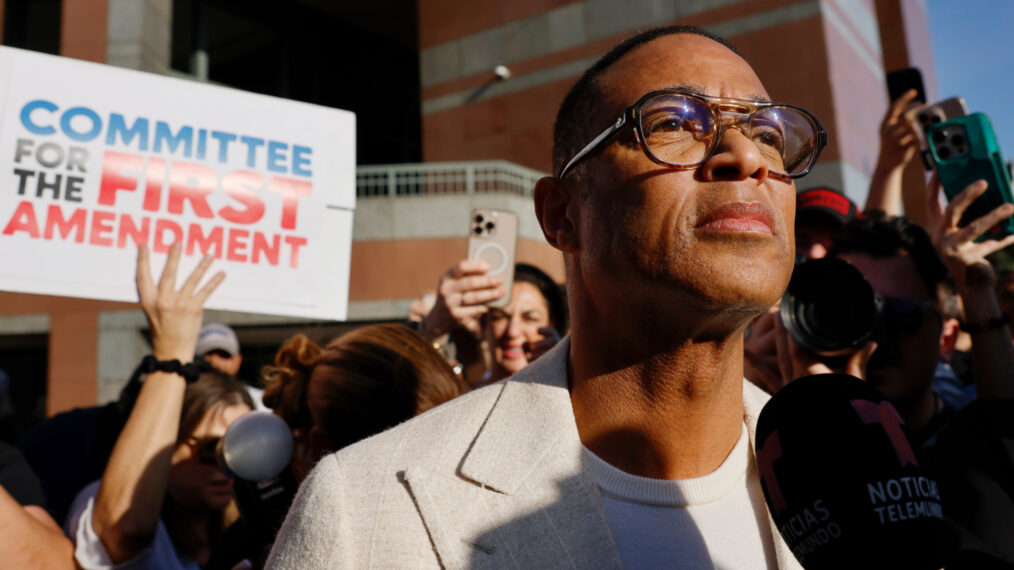
Don Lemon was present during this protest. He conducted on-site interviews and live-streamed portions of the protest on his personal channel, documenting the event as it unfolded. Lemon has stated publicly that his presence was solely in his capacity as an independent journalist covering a newsworthy event, rather than as a participant in the protest itself.
Federal Investigation Initiated
Following the protest, the U.S. Department of Justice opened an investigation into the incident. Authorities focused on whether the protesters had interfered with the constitutional rights of the churchgoers. The investigation considered whether individuals involved in the protest violated federal statutes designed to protect freedom of religion and civil rights.
Under federal law, particularly the Reconstruction-era civil rights statute, it is illegal to conspire to injure, intimidate, or interfere with a person’s exercise of religious freedom. In addition, statutes exist to protect the rights of individuals at places of worship against deliberate disruption or intimidation. The DOJ indicated that evidence was being reviewed to determine whether charges were warranted against participants, including Lemon.
Charges and Arrest
In late January 2026, federal authorities presented evidence to a grand jury in Minnesota, resulting in an indictment against nine individuals, including Don Lemon. The indictment included charges of conspiracy to violate civil rights under federal law and interference with religious freedom under statutes that protect worshippers from coercion or disruption during services.
The charges allege that the defendants planned and executed actions intended to disrupt the church service and intimidate worshippers. While Lemon was charged alongside others, his defense team has emphasized that he was documenting the event as a journalist and did not actively participate in planning or executing the protest.
Don Lemon was arrested by federal agents in Los Angeles on January 29, 2026. He was taken into custody while attending an unrelated public event and later released without bail, pending further court proceedings. His attorneys stressed that his arrest and the charges raised significant concerns regarding press freedom, arguing that journalists covering controversial or politically sensitive events should not be criminally liable for reporting on them.
Lemon’s Defense and Public Statements
Following his release, Lemon addressed the charges publicly, reiterating that he was present at the church solely as a journalist. He asserted that his actions fell within the protections afforded by the First Amendment, which safeguards freedom of the press in the United States. Lemon’s attorneys have also highlighted that the indictment does not allege he personally committed acts of violence or directly interfered with worshippers, but rather focuses on his alleged association with individuals involved in the protest.
Legal experts observing the case note that Lemon’s defense hinges on distinguishing between reporting on events and participating in actions that could violate federal civil rights laws. If he can demonstrate that he acted solely as an observer and journalist, the prosecution may face significant challenges in proving the charges against him.
Legal Context
The statutes involved in this case are significant. The civil rights statute under which Lemon is charged prohibits conspiracy to deprive individuals of their rights, including religious freedom. The federal law protecting worshippers is intended to prevent intimidation, obstruction, or coercion in places of worship. Historically, these laws have been used to prosecute individuals who physically or verbally interfere with worship services, but rarely have journalists been charged in this context.
The case presents a unique intersection between constitutional protections and federal enforcement. The First Amendment guarantees freedom of the press and allows journalists to document events, including protests. However, federal statutes simultaneously protect the rights of individuals to freely exercise their religion without interference. The legal question at the center of Lemon’s case is whether his actions as a journalist crossed the line into coordination or facilitation of actions that interfered with religious exercise.
Public and Legal Reactions
The case has sparked discussions among legal scholars, journalists, and civil liberties advocates. Many media organizations emphasize that prosecuting a journalist for covering a protest could set a precedent that chills press freedom. They argue that journalists often cover contentious events involving demonstrations, civil unrest, and political activism, and criminal liability for documenting these events could have a broad and negative impact on newsgathering.
Meanwhile, federal authorities maintain that the charges focus on civil rights violations, not on suppressing journalism. Officials have stated that if evidence demonstrates active coordination or planning to interfere with a church service, legal action is appropriate. The government has also highlighted the importance of upholding protections for religious worship and ensuring that congregations are able to exercise their rights without fear of disruption or intimidation.
The Ongoing Legal Process
As of the latest verified reports, Don Lemon has not been convicted of any crime. The case is ongoing, and future hearings are scheduled in federal court in Minnesota. Lemon and his legal team have indicated their intent to contest the charges and seek dismissal of the indictment on First Amendment grounds.
The federal prosecution will need to present evidence that Lemon went beyond reporting and engaged in acts that contributed to the disruption of the church service. Conversely, Lemon’s defense will argue that his journalistic activities — including documenting, interviewing, and broadcasting the protest — are constitutionally protected and do not constitute participation in unlawful activity.
Implications
The Don Lemon case has broader implications for journalists, civil liberties, and the legal boundaries of protest. It highlights the delicate balance between protecting constitutional freedoms, such as freedom of religion and freedom of the press. Legal experts are closely monitoring the proceedings, noting that the outcome could influence how journalists cover protests and other contentious public events in the future.
While Lemon’s arrest and indictment have generated intense media coverage and political commentary, it is important to recognize that the legal system presumes innocence until proven guilty. The ongoing federal case will determine whether Lemon’s presence at the church during the protest constitutes criminal participation or falls under the protections of the First Amendment.
Conclusion
Don Lemon’s federal charges following the protest at Cities Church in St. Paul represent a complex intersection of press freedom, civil rights law, and constitutional protections. Verified facts confirm that Lemon was present during the protest, was indicted alongside other individuals, and has publicly maintained that his actions were solely journalistic. The case continues to unfold in federal court, and no conviction has been rendered as of this writing.
The situation underscores the legal and ethical challenges journalists face when covering protests and politically sensitive events. It also illustrates the federal government’s role in enforcing civil rights protections, particularly the rights of individuals to freely practice religion without interference. As the case develops, it will continue to draw attention from the media, legal experts, and the public, providing a test case for the boundaries between journalism, protest, and civil rights in the United States.

Emily Johnson is a critically acclaimed essayist and novelist known for her thought-provoking works centered on feminism, women’s rights, and modern relationships. Born and raised in Portland, Oregon, Emily grew up with a deep love of books, often spending her afternoons at her local library. She went on to study literature and gender studies at UCLA, where she became deeply involved in activism and began publishing essays in campus journals. Her debut essay collection, Voices Unbound, struck a chord with readers nationwide for its fearless exploration of gender dynamics, identity, and the challenges faced by women in contemporary society. Emily later transitioned into fiction, writing novels that balance compelling storytelling with social commentary. Her protagonists are often strong, multidimensional women navigating love, ambition, and the struggles of everyday life, making her a favorite among readers who crave authentic, relatable narratives. Critics praise her ability to merge personal intimacy with universal themes. Off the page, Emily is an advocate for women in publishing, leading workshops that encourage young female writers to embrace their voices. She lives in Seattle with her partner and two rescue cats, where she continues to write, teach, and inspire a new generation of storytellers.