A federal immigration enforcement operation in Minneapolis has sparked renewed controversy after the fatal shooting of protester Alex Pretti, as witnesses have come forward to describe disturbing actions by federal agents in the aftermath of the incident.
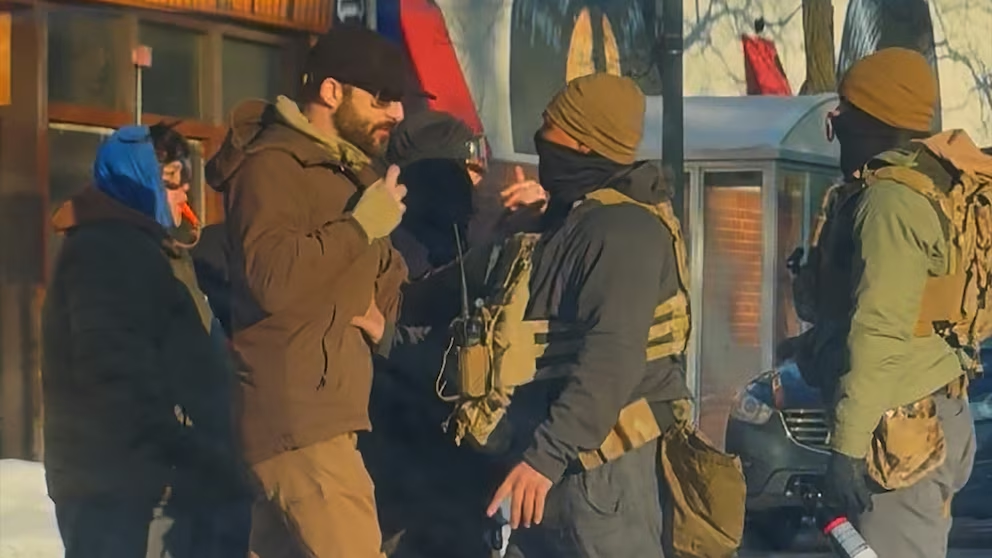
Pretti, 37, was shot multiple times by federal officers during anti-ICE protests in downtown Minneapolis, part of a larger surge of immigration enforcement actions deployed by the Trump administration earlier this month. The operation, officially aimed at apprehending undocumented immigrants with criminal records, has drawn criticism from local leaders, civil rights advocates, and community members, who argue that the heavy federal presence escalates tensions and poses risks to public safety.
While federal authorities have maintained that the agents acted in self-defense and that Pretti was armed at the time of the shooting, a physician who was present at the scene has submitted a witness statement challenging that account. According to the court documents, the doctor did not observe Pretti brandishing a weapon or threatening officers before the shooting.
“I saw him yelling at the ICE agents, but I did not see him attack the agents or brandish a weapon of any kind,” the physician wrote. “Suddenly, an ICE agent shoved him to the ground. My view of the altercation was partially obstructed, but after a few seconds, I saw at least four ICE agents point guns at the man. I then saw the agents shoot the man at least six or seven times.”
The statement also details alarming behavior by the officers after Pretti was incapacitated. Rather than providing immediate medical attention, the agents allegedly counted the number of bullet wounds he had sustained while the physician attempted to render aid.
“I was confused as to why the victim was on his side, because that is not standard practice,” the witness wrote. “Checking for a pulse and administering CPR is standard practice. Instead of doing either of those things, the ICE agents appeared to be counting his bullet wounds.”
Federal authorities have defended the actions of the agents, claiming that Pretti was armed with a handgun and posed an imminent threat. The Department of Homeland Security (DHS) has stated that the use of lethal force was justified, and that officers were responding to a dangerous situation. However, Pretti’s family and supporters have disputed that characterization, insisting that he never intended to harm federal officers.
“He cared about people deeply and he was very upset with what was happening in Minneapolis and throughout the United States with ICE, as millions of other people are upset,” Michael Pretti, Alex’s father, said in a statement. The family has called for a full, transparent investigation into the incident, arguing that federal authorities’ narrative does not match what eyewitnesses observed.
The events have intensified criticism of the federal immigration surge in Minnesota, which has seen thousands of agents deployed to Minneapolis under “Operation Metro Surge.” The program, spearheaded by the White House and supported by President Donald Trump, is designed to arrest undocumented immigrants with criminal records and assist local law enforcement with crime prevention.
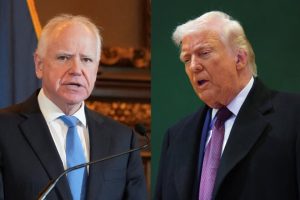
The operation has been controversial from the start. State officials, including Governor Tim Walz and Attorney General Keith Ellison, have questioned both the legality and necessity of the federal presence. Ellison has filed lawsuits seeking to limit federal enforcement actions, arguing that agents are overstepping their authority and undermining state and local control. The shooting of Pretti has intensified these legal and political disputes, as advocates warn that the surge may be endangering residents without delivering meaningful public safety benefits.
The situation has also drawn national attention, as the federal government faces scrutiny over the use of heavily armed officers in urban areas. Civil rights groups argue that incidents like Pretti’s death highlight the potential for excessive force when federal authorities operate in close coordination with—but often without oversight from—local police departments.
Protesters and community organizers in Minneapolis have emphasized that Pretti’s shooting is emblematic of broader systemic issues related to immigration enforcement and public accountability. Anti-ICE demonstrations have been ongoing in the city throughout January, reflecting broader frustration with federal immigration policies under the Trump administration. These protests have drawn attention to the potential dangers posed to both participants and bystanders when federal agents are deployed in densely populated neighborhoods.
Local authorities have also expressed concern about the operational coordination between federal and municipal law enforcement agencies. Minneapolis Police Chief Brian O’Hara acknowledged that Pretti was a lawful gun owner with a permit to carry, and emphasized the need for clarity regarding what transpired during the confrontation. “We are reviewing all available information and working with federal partners to understand exactly what happened,” O’Hara said.
The physician’s account, filed in federal court, underscores the discrepancies between the federal narrative and eyewitness testimony. By highlighting what appears to be a delay or failure in providing immediate medical aid, the witness raises questions about officer conduct and adherence to standard procedures for responding to critically injured individuals.
As federal investigators with the Department of Homeland Security and the Department of Justice review the incident, civil rights advocates have called for independent oversight to ensure accountability. Pretti’s family has urged the public to support transparency and has requested that the investigation be conducted in a way that provides a full account of the actions of federal officers.
The incident also has broader political implications, as President Trump has framed the Minnesota deployment as a model for addressing crime and illegal immigration in urban centers. Trump and other administration officials have cited the operation as evidence of success, noting crime reductions in other cities where federal task forces have been active. Critics argue that such claims cannot be separated from the human cost of aggressive enforcement and that the shooting of Pretti highlights the dangers of militarized policing in civil contexts.
Legal proceedings are expected to follow, as both state and federal authorities investigate the circumstances surrounding the shooting. Civil rights organizations and legal experts have indicated that federal officers may face potential accountability under civil and criminal statutes, depending on the findings of ongoing inquiries.
Community reaction in Minneapolis has been swift. Demonstrations have continued in the wake of Pretti’s death, with participants calling for an end to the federal surge and greater protections for protesters. Religious, civic, and neighborhood leaders have urged calm while also demanding transparency, emphasizing the importance of lawful and accountable policing practices.
The shooting has also intensified debate at the national level over the role of federal agencies in local law enforcement. While Trump and supporters argue that operations like “Metro Surge” are essential tools for addressing crime, critics warn that deploying armed agents without full local oversight can escalate conflict and result in unnecessary fatalities.
As Minnesota continues to grapple with the fallout from the incident, attention will remain focused on the federal investigation, the state’s legal challenges, and the broader policy debates surrounding immigration enforcement. For Pretti’s family and supporters, the hope is that the truth about what happened during that fatal encounter will come to light and that measures will be taken to prevent similar tragedies in the future.
For now, Minneapolis remains at the center of a contentious national conversation about law enforcement, civil liberties, and the limits of federal power, with the events surrounding Alex Pretti serving as a stark reminder of the high stakes involved when federal operations intersect with local communities.

Emily Johnson is a critically acclaimed essayist and novelist known for her thought-provoking works centered on feminism, women’s rights, and modern relationships. Born and raised in Portland, Oregon, Emily grew up with a deep love of books, often spending her afternoons at her local library. She went on to study literature and gender studies at UCLA, where she became deeply involved in activism and began publishing essays in campus journals. Her debut essay collection, Voices Unbound, struck a chord with readers nationwide for its fearless exploration of gender dynamics, identity, and the challenges faced by women in contemporary society. Emily later transitioned into fiction, writing novels that balance compelling storytelling with social commentary. Her protagonists are often strong, multidimensional women navigating love, ambition, and the struggles of everyday life, making her a favorite among readers who crave authentic, relatable narratives. Critics praise her ability to merge personal intimacy with universal themes. Off the page, Emily is an advocate for women in publishing, leading workshops that encourage young female writers to embrace their voices. She lives in Seattle with her partner and two rescue cats, where she continues to write, teach, and inspire a new generation of storytellers.