NOTE: VIDEO AT THE END OF THE ARTICLE:
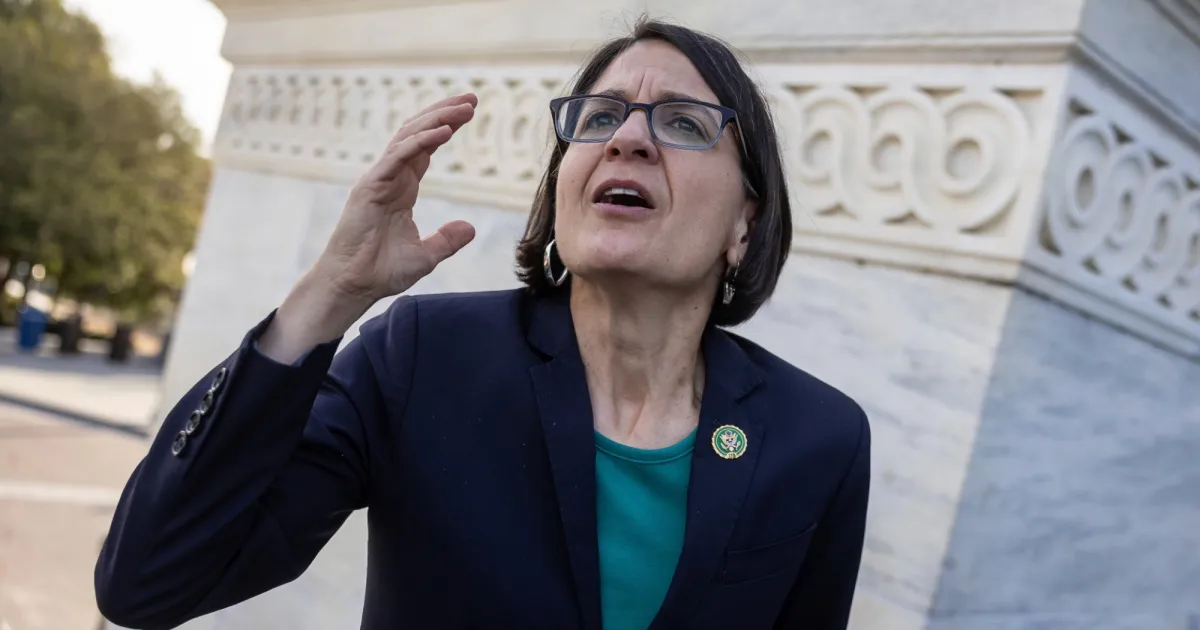
Representative Becca Balint (D-VT), an openly LGBT lawmaker from Vermont, has come under fire after controversial remarks made during a recent town hall meeting in Newport. Speaking candidly on the topic of immigration, Balint stressed the critical role of migrant labor in the U.S. economy and warned that limiting legal immigration could have severe consequences for the nation’s workforce.
The event, held on May 29, was part of Balint’s broader outreach efforts to connect with constituents and present her legislative goals. Among the central issues she addressed was immigration reform—an area she framed not as a political debate but as a fundamental necessity for economic stability.
“We need to get to a place where immigration is no longer weaponized as a political talking point,” Balint said. “It’s an existential issue for the country.”
Her comments turned heads, however, when she adopted a blunt tone to emphasize her point. “I’m going to be really crude right now,” she warned. “We’re not going to have anybody around to wipe our asses because we don’t have enough people to fill the jobs that we have right now.”
Balint’s off-the-cuff phrasing was immediately seized upon by critics, with many accusing her of reducing immigrants to menial labor roles and using demeaning language. Conservative commentators and social media users blasted the statement as both undignified and indicative of a deeper problem with how some politicians view immigration.
Her defenders, however, argued that Balint was simply using stark language to draw attention to the labor shortages plaguing industries like elder care, agriculture, and food service—sectors that rely heavily on immigrant workers. They say her words, while coarse, were intended to shock the audience into recognizing the severity of the issue.
Balint also used the forum to push for comprehensive immigration reform that includes more accessible pathways for legal entry and employment. “We need avenues for people to come here legally, to work, and to build a home,” she said. “This isn’t about politics—it’s about keeping our economy functioning.”
Despite her intention to move beyond partisanship, her comments have added fuel to the ongoing national debate over immigration. The quote has gone viral on social media, prompting widespread discussion and further polarizing public opinion.
Political opponents quickly jumped on the controversy. Some accused Balint of insulting both American workers and immigrants, while others saw it as another example of progressive elites relying on shock value to push policy agendas. Meanwhile, several of her supporters insist her frustration was warranted and applaud her for speaking plainly about the issue.
As immigration remains a flashpoint in national politics, Representative Balint’s remarks underscore the challenges lawmakers face in navigating public discourse on the matter. Whether her words will spark constructive dialogue or further division remains to be seen.
PLAY:

James Jenkins is a celebrated Pulitzer Prize-winning author whose work has reshaped the way readers think about social justice and human rights in America. Raised in Atlanta, Georgia, James grew up in a community that instilled in him both resilience and a strong sense of responsibility toward others. After studying political science and creative writing at Howard University, he worked as a journalist covering civil rights issues before dedicating himself fully to fiction. His novels are known for their sharp, empathetic portraits of marginalized communities and for weaving personal stories with broader political realities. Jenkins’s breakout novel, Shadows of Freedom, won national acclaim for its unflinching look at systemic inequality, while his more recent works explore themes of identity, resilience, and the fight for dignity in the face of oppression. Beyond his novels, James is an active public speaker, lecturing at universities and participating in nonprofit initiatives that support literacy and community empowerment. He believes that storytelling is a way to preserve history and inspire change. When not writing, James enjoys jazz music, mentoring young writers, and traveling with his family to explore cultures and stories around the world.