Federal prosecutors have brought criminal charges against a sitting state lawmaker, accusing him of exploiting emergency pandemic assistance programs designed to help struggling workers during the height of the COVID-19 crisis. The indictment alleges that the official repeatedly made false statements to obtain unemployment benefits while simultaneously earning income from multiple sources, raising renewed scrutiny over how pandemic relief funds were distributed and monitored.
The case centers on claims that, at a time when millions of Americans were losing jobs and businesses were shuttering, the lawmaker applied for and received federal unemployment assistance to which he was not legally entitled. Prosecutors say the alleged conduct occurred over more than a year, spanning the most uncertain phases of the pandemic, and involved dozens of certifications submitted to state and federal agencies.
According to court documents, the lawmaker applied for emergency unemployment assistance in the spring of 2020, shortly after COVID-19 restrictions disrupted economic activity across the country. In his application, he claimed that his business operations had ceased and that he was no longer working or earning wages. That initial filing opened the door to weekly benefit payments under special pandemic-era programs that expanded eligibility and reduced verification requirements in order to get aid out quickly.
Over the following months, investigators allege, the lawmaker repeatedly reaffirmed those claims. Federal prosecutors say he submitted dozens of weekly certifications stating that he was unemployed, had not earned income, was actively seeking work, and had not refused employment opportunities. Those statements, prosecutors contend, were false.
In total, authorities allege that the lawmaker received just under $14,000 in unemployment benefits during this period. While that amount is modest compared to some large-scale pandemic fraud cases, prosecutors argue that the seriousness lies not only in the alleged deception, but also in the defendant’s position as a public official entrusted with shaping laws and overseeing the use of taxpayer funds.
Investigators say records from labor agencies, payroll documents, and other financial sources tell a different story than the one presented in the benefit applications. During the same period he was claiming to be unemployed, the lawmaker allegedly continued to earn income from multiple jobs. Prosecutors say he received a regular legislative salary, continued operating a private business, and also earned additional wages through work in the education sector.
Federal authorities allege that in some weeks, the lawmaker earned income from two or even three separate sources while simultaneously certifying that he had no earnings at all. Such discrepancies, prosecutors argue, demonstrate a pattern of intentional misrepresentation rather than an isolated mistake or misunderstanding of complex pandemic rules.
The indictment comes amid a broader federal crackdown on pandemic-related fraud. Since 2020, law enforcement agencies have uncovered billions of dollars in fraudulent claims tied to unemployment insurance, small business loans, and other emergency relief programs. While many cases involve identity theft or organized criminal rings, prosecutors have increasingly pursued cases involving professionals, business owners, and public officials.
Midway through the court filings, the accused lawmaker is identified as Georgia State Representative Dexter Sharper, a Democrat who has served in the state legislature since 2017. Sharper represents House District 177, which includes parts of Lowndes County in southern Georgia. He was first elected in 2016 and has since been reelected to multiple terms.
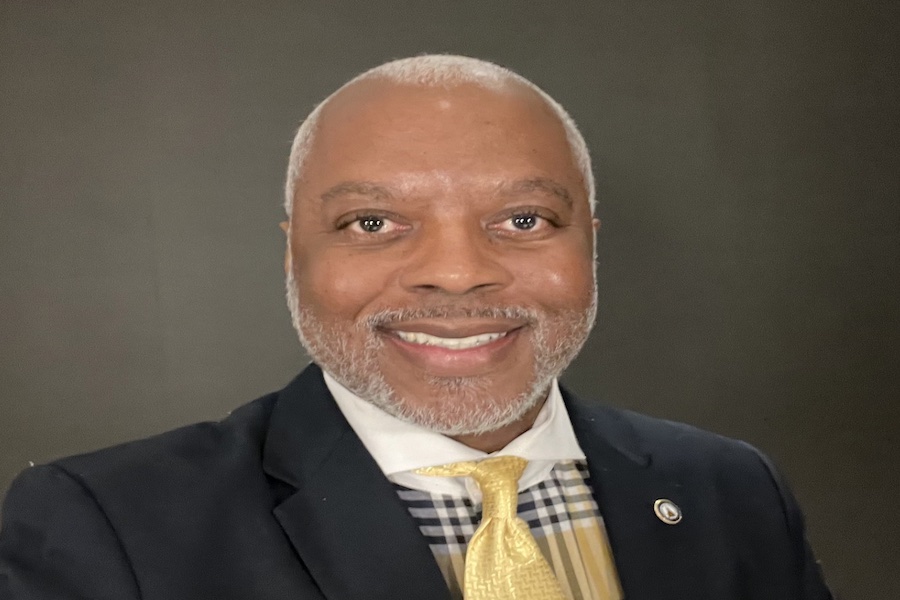
Sharper, 54, appeared for an arraignment hearing in federal court in Atlanta before U.S. Magistrate Judge Russell G. Vineyard. He has not entered a plea at this stage, and the case will proceed through the federal court system in the coming months. Under U.S. law, Sharper is presumed innocent unless and until proven guilty.
The prosecution is being handled by the U.S. Attorney’s Office for the Northern District of Georgia, with investigative support from the FBI’s Atlanta Field Office and the Georgia Office of the State Inspector General. In a statement announcing the charges, federal officials emphasized the importance of accountability, particularly when alleged misconduct involves elected officials.
“The allegations that Representative Sharper exploited his position for personal gain are deeply troubling,” said U.S. Attorney Ryan K. Buchanan. “He is accused of abusing a program that was intended to provide critical relief to individuals and families during a time of national crisis.”
Before entering politics, Sharper owned and operated a party rental business that provided equipment and services for events. He has also worked intermittently in education as a substitute teacher. Prosecutors allege that both of these income sources continued during the period when he claimed to be unemployed.
Sharper’s case is not an isolated incident. It marks the third time a Georgia state lawmaker has faced federal charges related to alleged COVID-19 unemployment fraud. In a similar case announced last week, former state representative Karen Bennett, also a Democrat, pleaded guilty to making false statements in order to obtain pandemic unemployment benefits. Bennett left office in January.
Another Georgia Democrat, Representative Sharon Henderson, was indicted in December on charges of theft of government funds and making false statements tied to pandemic assistance programs. Prosecutors later expanded the case, and it remains ongoing. Together, these cases have raised uncomfortable questions for state leaders about oversight, ethics, and internal accountability.
Legal experts note that pandemic unemployment programs were implemented at unprecedented speed, often relying heavily on self-certification. While that approach helped deliver aid quickly, it also created opportunities for abuse. “The system was built on trust,” said one former federal prosecutor not involved in the case. “When public officials are accused of violating that trust, prosecutors tend to take a very hard look.”
If convicted, Sharper could face penalties that include fines, restitution, and potential prison time, depending on the specific charges and sentencing guidelines. The political consequences could also be significant, including ethics investigations, loss of committee assignments, or pressure to resign.
As the case moves forward, it is likely to draw continued attention both within Georgia and nationally, particularly as lawmakers debate reforms to emergency relief programs and safeguards against future fraud. For many voters, the allegations strike at the heart of public confidence in government during a period when trust was already strained.
The pandemic exposed vulnerabilities not only in public health systems, but also in the mechanisms designed to deliver economic relief. Federal prosecutors say cases like this one underscore the need for vigilance—and for holding even the most powerful individuals accountable—when public funds are at stake.

Emily Johnson is a critically acclaimed essayist and novelist known for her thought-provoking works centered on feminism, women’s rights, and modern relationships. Born and raised in Portland, Oregon, Emily grew up with a deep love of books, often spending her afternoons at her local library. She went on to study literature and gender studies at UCLA, where she became deeply involved in activism and began publishing essays in campus journals. Her debut essay collection, Voices Unbound, struck a chord with readers nationwide for its fearless exploration of gender dynamics, identity, and the challenges faced by women in contemporary society. Emily later transitioned into fiction, writing novels that balance compelling storytelling with social commentary. Her protagonists are often strong, multidimensional women navigating love, ambition, and the struggles of everyday life, making her a favorite among readers who crave authentic, relatable narratives. Critics praise her ability to merge personal intimacy with universal themes. Off the page, Emily is an advocate for women in publishing, leading workshops that encourage young female writers to embrace their voices. She lives in Seattle with her partner and two rescue cats, where she continues to write, teach, and inspire a new generation of storytellers.