NOTE: VIDEO AT THE END OF THE ARTICLE.
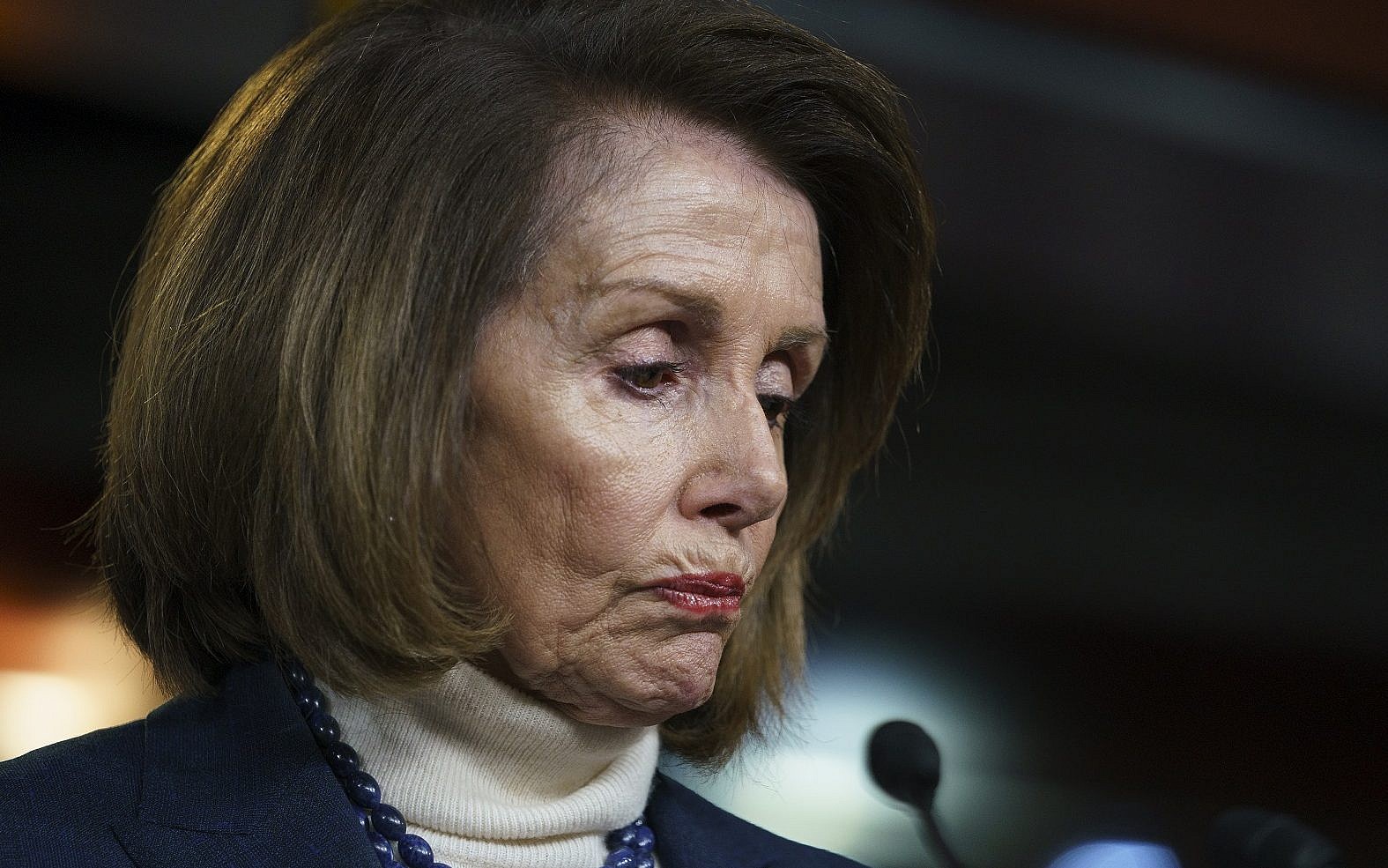
Dave Rubin, the outspoken host of “The Rubin Report,” recently reignited a heated debate over presidential war powers by sharing a direct message clip spotlighting Nancy Pelosi under fire for perceived hypocrisy. The controversy centers on Pelosi’s vocal insistence that presidents must have congressional authorization before launching military attacks on sovereign nations—an issue that has long been a contentious flashpoint in American politics.
In the shared clip, Pelosi is confronted with criticism that questions her consistency on the matter. The heart of the debate is the constitutional principle that Congress holds the power to declare war, while the president, as commander-in-chief, manages military operations. Critics argue Pelosi has selectively enforced this principle, supporting congressional oversight when politically convenient, yet remaining silent or acquiescent when executive actions align with her party’s agenda.
Rubin’s post brought this contradiction to the forefront, sparking renewed discussion about the delicate balance of power between the legislative and executive branches. His audience, known for engaging in debates over free speech, government authority, and constitutional rights, reacted strongly, with many agreeing that Pelosi’s stance exemplifies political double standards.
The controversy is not new but has gained traction amid recent military actions taken by presidents without explicit congressional approval. The U.S. Constitution’s framers clearly vested Congress with the authority to declare war, intending to prevent unchecked executive military engagements. However, over decades, presidents have often launched operations citing various authorizations or national security concerns, bypassing formal congressional declarations.
Pelosi’s critics contend that her selective approach undermines the constitutional system of checks and balances. They argue that when a president from the opposing party initiates military action without Congress, Pelosi and other lawmakers demand accountability. Conversely, when their own party occupies the White House, the same scrutiny fades, raising questions about principle versus politics.
Supporters of Pelosi maintain that the nature of modern warfare and the need for swift action complicate rigid congressional approval processes. They also emphasize that Pelosi has advocated for congressional oversight in other contexts, suggesting her position is consistent with protecting American interests.
Regardless of perspective, Rubin’s sharing of the clip highlights a vital issue: the ongoing tension between executive power and legislative authority in decisions of war and peace. As debates rage on, Americans continue to wrestle with how best to preserve constitutional safeguards while ensuring effective national security.
This moment serves as a reminder that discussions about presidential war powers are not merely academic but have real consequences for democracy, governance, and the lives of those affected by military decisions.
PLAY:

Sarah Mitchell is a bestselling novelist recognized for her insightful and emotionally resonant stories that explore the complexities of human relationships. Originally from Denver, Colorado, Sarah grew up in a family of teachers who nurtured her curiosity and love for storytelling. She studied psychology at Stanford University, where she became fascinated by the intricacies of human behavior—an interest that would later shape her writing career. Sarah’s novels are praised for their nuanced characters, intricate plots, and ability to capture the subtle tensions that define love, friendship, and family ties. Her breakthrough novel, The Spaces Between Us, became an instant bestseller, lauded for its honest portrayal of strained family relationships and the fragile bonds that hold people together. Since then, she has published several works that continue to captivate audiences around the world. Outside of her writing career, Sarah is passionate about mental health advocacy and often partners with organizations to promote awareness and support for those struggling with emotional well-being. Her personal life is quieter—she enjoys hiking in the Colorado mountains, practicing yoga, and spending time with close friends. With each new book, Sarah Mitchell cements her reputation as a writer who illuminates the beauty and struggles of human connection.