A senior leadership change is underway at the Federal Bureau of Investigation, marking the end of a brief but highly visible tenure at the top of the nation’s premier law enforcement agency. The departure, announced late Wednesday, comes less than a year after the official assumed the role of deputy director, a position that plays a central role in overseeing daily operations, internal management, and coordination across the bureau’s field offices.
The resignation is set to take effect in January, according to a public statement shared on social media. The announcement quickly drew attention in political and media circles, given the unusually short duration of the appointment and the individual’s prominent public profile prior to joining federal service. While departures from senior law enforcement posts are not uncommon during administration transitions, the timing and circumstances surrounding this exit have fueled speculation about the future direction of the bureau.
In a message posted online on December 17, the outgoing official expressed gratitude to senior administration leaders and reflected on the opportunity to serve in government. The statement emphasized a sense of duty and appreciation for public service, while stopping short of offering a detailed explanation for the decision to step down.
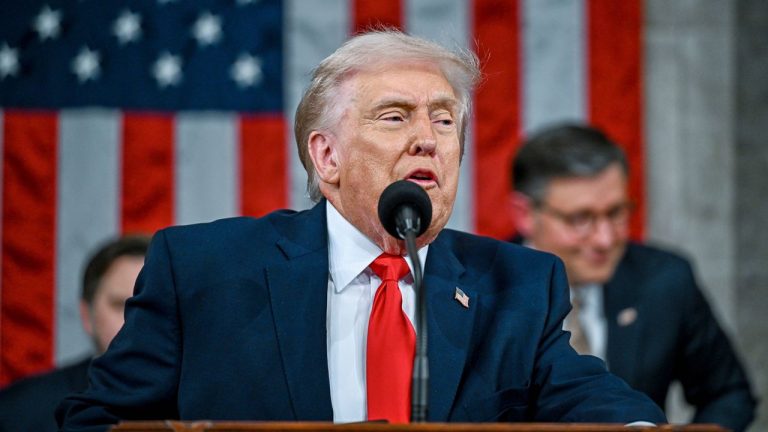
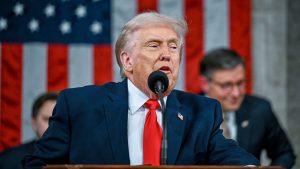
The White House appeared to anticipate the announcement. Speaking to reporters earlier the same day, President Donald Trump suggested that the deputy director was preparing to leave federal service and return to private endeavors. The president offered praise for his performance, describing his work at the bureau in positive terms and signaling that the transition was amicable.
“He did a great job,” Trump said while speaking at Joint Base Andrews in Maryland. “I think he wants to go back to his show.”
That remark pointed to the official’s well-known background outside traditional law enforcement leadership circles. Before entering the upper ranks of the FBI, he had built a substantial media career, becoming a familiar figure to millions of Americans through television, radio, and digital platforms.
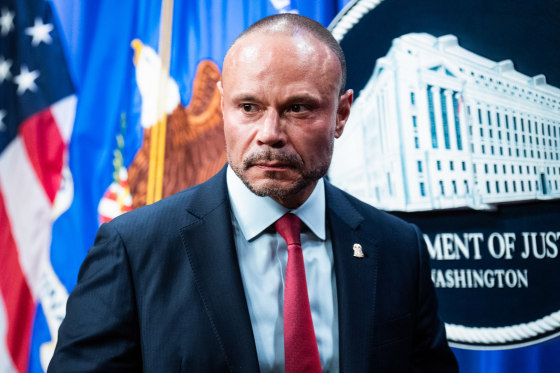
Midway through the announcement coverage, it was confirmed that the departing official is Dan Bongino, who has served as FBI deputy director since February 2025. His appointment drew widespread attention at the time, as he entered the bureau without prior internal experience at the FBI, a notable departure from the agency’s historical practice of promoting long-serving career officials to its top posts.
Bongino’s background includes service as a police officer with the New York Police Department and later as a special agent with the U.S. Secret Service. During his law enforcement career, he was assigned to protective details for high-ranking government officials, experiences that he frequently referenced during his years as a commentator. However, despite that federal service, he had never previously worked within the FBI’s operational or management structure.
That distinction made his appointment to the bureau’s second-highest position both unconventional and controversial. Supporters argued that his law enforcement background, combined with his outspoken advocacy for institutional reform, made him well-suited to bring fresh leadership to the agency. Critics, however, questioned whether his lack of internal FBI experience and his highly partisan public persona were compatible with the bureau’s traditionally nonpolitical culture.
As deputy director, Bongino served directly under FBI Director Kash Patel, who assumed leadership of the agency earlier in the administration. The two were tasked with implementing reforms aimed at restoring public trust in the bureau, improving internal accountability, and addressing longstanding concerns raised by lawmakers and segments of the public regarding politicization and transparency.
During his tenure, Bongino appeared at several high-profile press events, including a December news conference at the Department of Justice related to an arrest in the January 6 pipe bombing investigation. Standing alongside U.S. Attorney for the District of Columbia Jeanine Pirro and senior officials from the Bureau of Alcohol, Tobacco, Firearms and Explosives, he addressed reporters in a rare public-facing role for a sitting deputy director.
Such appearances underscored the administration’s willingness to place senior FBI leadership in more visible roles than had traditionally been the case. For decades, FBI deputy directors typically operated behind the scenes, focusing on operational oversight rather than public messaging. Bongino’s tenure marked a shift from that model, reflecting broader changes in how federal agencies communicate with the public.
In his resignation statement, Bongino thanked President Trump, Attorney General Pam Bondi, and Director Patel for the opportunity to serve. He also expressed appreciation toward the American people, framing his time at the FBI as an extension of his broader commitment to public service.
“Most importantly, I want to thank you, my fellow Americans, for the privilege to serve you,” he wrote. “God bless America, and all those who defend Her.”
The statement did not specify what he plans to do next, though Trump’s remarks suggested a possible return to media. Prior to joining the FBI, Bongino was a prominent political commentator on Fox News and hosted “The Dan Bongino Show” on the Rumble platform, where he cultivated a large and loyal audience. His departure from broadcasting in early 2025 was widely covered at the time, as he stepped away to assume a government role.
The Epoch Times contacted Fox News to inquire whether Bongino might return to the network following his resignation, but no response had been issued at the time of publication.
Inside the bureau, the announcement raises questions about continuity and leadership stability. The deputy director position is critical to the FBI’s daily functioning, overseeing thousands of employees, managing internal operations, and acting as a key liaison between the director’s office and field divisions nationwide. Any transition at that level requires careful planning to avoid operational disruptions.
It remains unclear who will serve as interim deputy director or whether the administration plans to nominate a permanent successor in the coming weeks. Historically, deputy directors have often been drawn from the FBI’s senior executive ranks, typically individuals with decades of bureau experience. Whether the administration will return to that tradition or continue its practice of appointing outsiders remains to be seen.
Bongino’s resignation also adds to a broader pattern of leadership turnover across federal law enforcement agencies during the past year. Several senior officials have exited their posts amid ongoing debates over agency reform, oversight, and public trust. Supporters of the administration argue that such changes are necessary to reset institutions they believe have drifted from their core missions, while critics warn that frequent leadership shifts can undermine morale and effectiveness.
Despite the controversy surrounding his appointment, Bongino maintained a strong base of support among conservative voters who viewed his presence inside the FBI as a sign of change. Many praised his willingness to challenge entrenched bureaucratic norms and speak openly about issues that previous leaders avoided. Others within law enforcement circles, however, expressed discomfort with his outspoken style and media background.
As his departure approaches, attention is now turning to what his short tenure will ultimately represent in the history of the bureau. Some analysts view it as an experiment in bringing external voices into federal law enforcement leadership, while others see it as evidence that such appointments face inherent challenges.
For Bongino himself, the resignation marks another pivot in a career that has spanned local policing, federal protective service, political media, and now senior government leadership. Whether he returns to broadcasting, pursues another public role, or steps back from the spotlight altogether remains an open question.
For the FBI, the focus will shift quickly to maintaining stability, reassuring employees, and continuing its operational mission amid leadership change. Officials have not indicated that Bongino’s departure is connected to any internal investigation or performance issue, and no allegations of misconduct have been raised.
This remains a developing story, and further updates are expected as the bureau clarifies transition plans and the administration outlines its next steps.

Emily Johnson is a critically acclaimed essayist and novelist known for her thought-provoking works centered on feminism, women’s rights, and modern relationships. Born and raised in Portland, Oregon, Emily grew up with a deep love of books, often spending her afternoons at her local library. She went on to study literature and gender studies at UCLA, where she became deeply involved in activism and began publishing essays in campus journals. Her debut essay collection, Voices Unbound, struck a chord with readers nationwide for its fearless exploration of gender dynamics, identity, and the challenges faced by women in contemporary society. Emily later transitioned into fiction, writing novels that balance compelling storytelling with social commentary. Her protagonists are often strong, multidimensional women navigating love, ambition, and the struggles of everyday life, making her a favorite among readers who crave authentic, relatable narratives. Critics praise her ability to merge personal intimacy with universal themes. Off the page, Emily is an advocate for women in publishing, leading workshops that encourage young female writers to embrace their voices. She lives in Seattle with her partner and two rescue cats, where she continues to write, teach, and inspire a new generation of storytellers.