A familiar and outspoken figure from the world of film, television, and podcasting has announced plans to enter New York City politics—declaring an intention to run for mayor in 2029 and framing the potential campaign as a mission to “rescue” the city from what he describes as dangerous leadership.
The announcement comes just days after New York City swore in its new mayor, a progressive figure whose election marked a sharp shift from the city’s recent political trajectory. While many New Yorkers celebrated the result as a break from establishment politics, others—particularly in entertainment and media circles—have reacted with open hostility. Among the loudest critics is a veteran actor and comedian known for his confrontational style, political commentary, and long-running podcast.
For months, the entertainer has used his platform to rail against the new administration, accusing City Hall of embracing policies he claims will make the city less safe, less prosperous, and more ideologically extreme. Now, he says criticism is no longer enough.
According to the actor, the only meaningful response is to challenge the mayor directly—at the ballot box.
A City at a Political Crossroads
New York’s latest mayoral election reflected deep voter frustration over affordability, crime, housing shortages, and the cost of everyday life. The new mayor ran on a platform focused heavily on rent stabilization, public transportation investment, and aggressive intervention in rising food prices. The campaign energized younger voters, renters, and progressives who argued that the city’s traditional political leadership had failed to keep pace with economic realities.
But that same platform unsettled critics who warned that the policies were unrealistic, fiscally dangerous, or ideologically driven. For some opponents, the mayor’s background and worldview became focal points of controversy almost immediately after the election.
The entertainer at the center of this brewing political storm has positioned himself as a voice for disaffected New Yorkers who feel alienated by the city’s new direction. In his telling, the election result was not a mandate for sweeping ideological change but a warning sign of civic decline.
From Cultural Critic to Would-Be Candidate
The actor first hinted at political ambitions during recent episodes of his podcast, where he adopted a mock-campaign persona and repeatedly referred to himself as “Mayor” in a satirical—but increasingly serious—tone. While early remarks were dismissed by some listeners as performative bluster, his rhetoric sharpened as the inauguration approached.
By the time the new mayor took office on New Year’s Day, the entertainer’s language had escalated into a full-blown call to action. He accused City Hall of being run by people who “hate what New York stands for” and warned that failure to intervene would lead to irreversible damage.
In one episode, he framed his possible candidacy as inevitable rather than aspirational, suggesting that the city’s political future demanded “someone who isn’t afraid to say what everyone else is thinking.”
Only toward the end of the broadcast did he formally announce his intention to run in 2029—drawing a line from cultural commentary into electoral politics.
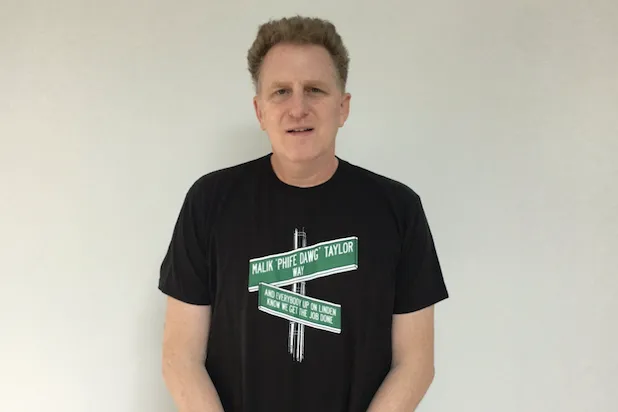
That figure is Michael Rapaport.
A Long History of Confrontation
Rapaport is no stranger to controversy. Over a decades-long career spanning film, television, and comedy, he has cultivated a reputation for blunt, often incendiary commentary—particularly on political and international issues. In recent years, he has become an outspoken supporter of Israel and a fierce critic of left-wing movements he views as hostile to Western liberal values.
His opposition to New York’s new mayor predates the election, but intensified sharply after the results were finalized. Rapaport has repeatedly accused the administration of harboring extremist sympathies and governing with what he calls a “smug certainty” detached from everyday reality.
In his podcast announcement, he mocked the mayor personally, dismissed his agenda as dangerous, and accused him of hiding radical intentions behind populist language. At one point, Rapaport described the mayor’s demeanor as “evil,” claiming that voters had been misled by polished rhetoric and campaign slogans.
Divisions Within the Cultural Elite
Rapaport is not alone in his criticism. Several high-profile figures in entertainment and media have openly attacked the mayor, framing his victory as a threat not just to New York, but to American values more broadly.
Among the most controversial responses came from Debra Messing, who sparked backlash after making inflammatory remarks about the mayor’s ideology and religious identity. Her comments drew condemnation from civil rights advocates and political leaders, who warned that political disagreement was veering into dangerous territory.
The mayor himself, Zohran Mamdani, has addressed the criticism directly, urging calm and emphasizing that his administration represents all New Yorkers, regardless of political affiliation.
Mamdani’s Response and Vision
In his inaugural address, Mamdani struck a conciliatory tone, acknowledging skepticism from voters who opposed his candidacy while pledging to govern inclusively. He emphasized public safety, economic dignity, and unity, promising to engage critics rather than dismiss them.
“I stand alongside those who voted for me,” he said, “and just as resolutely alongside those who did not.”
Mamdani’s supporters argue that the attacks against him reveal resistance to meaningful reform rather than genuine concern for governance. They point to his transparency during the campaign, his self-identification as a democratic socialist, and his willingness to address contentious issues openly.
Critics like Rapaport, however, remain unconvinced—arguing that ideology, not pragmatism, will define the next four years.
A Serious Bid or Symbolic Protest?
Whether Rapaport’s 2029 announcement evolves into a serious campaign remains uncertain. He has not outlined specific policy proposals, nor has he formed an exploratory committee. Political analysts note that celebrity candidacies often struggle to transition from media attention to electoral viability—particularly in a city as complex as New York.
Still, the announcement taps into a broader undercurrent of frustration among voters who feel unheard by progressive leadership. Rapaport’s blunt style and outsider status could resonate with constituents tired of traditional politicians, even as it alienates others.
If nothing else, his declaration underscores the intensity of opposition facing the new mayor—and signals that the next mayoral race may be defined as much by cultural conflict as by policy debates.
A Preview of What’s to Come
With four years until the next election, New York’s political future remains wide open. Mamdani’s administration will be judged on its ability to deliver tangible results on affordability, safety, and quality of life. Rapaport, meanwhile, appears poised to continue using his platform as a political megaphone—whether or not a formal campaign materializes.
What is clear is that New York’s cultural and political battles are far from settled. And if this early clash is any indication, the road to 2029 will be loud, personal, and deeply polarized.