



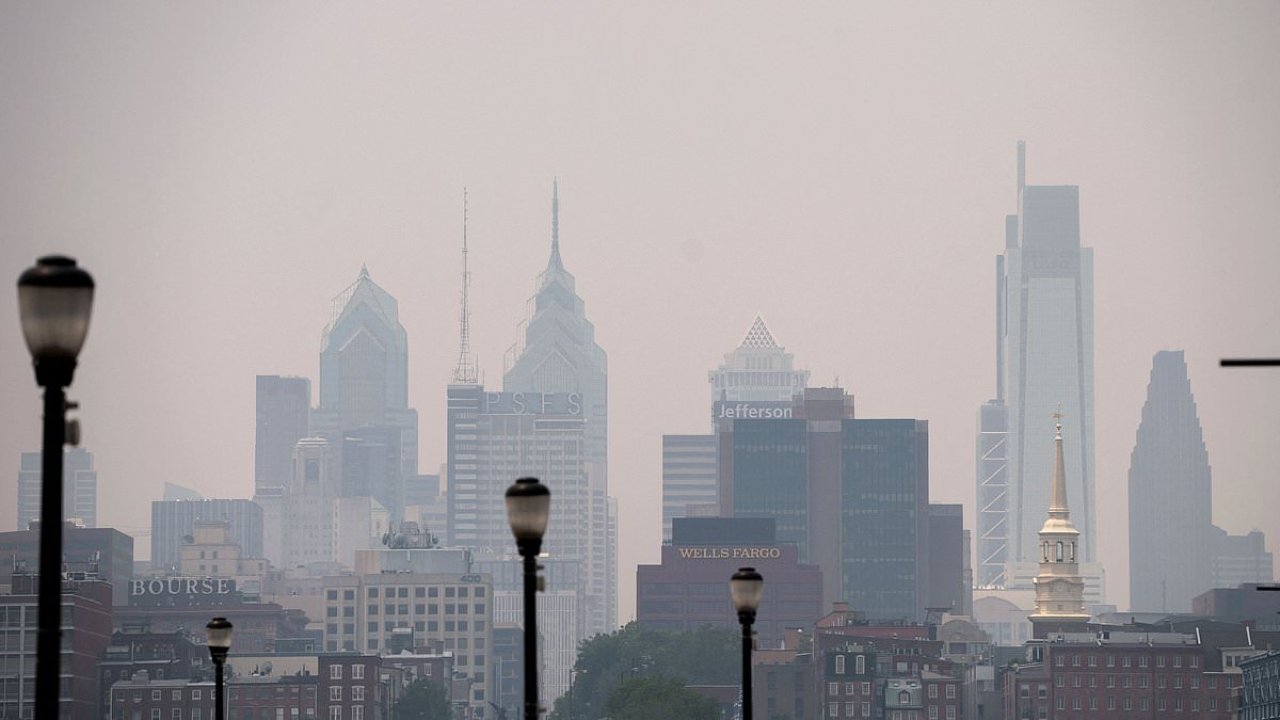
A Code Orange air quality alert has been issued for thousands of residents across parts of Pennsylvania, as elevated levels of air pollution are expected to linger throughout the day. State officials are warning that conditions may become unhealthy for certain segments of the population, urging residents to take precautions and limit outdoor activity.
The alert applies to multiple regions, including the Liberty and Clairton area in western Pennsylvania—covering communities such as Clairton, Glassport, Lincoln, and Port Vue—as well as large portions of the Susquehanna Valley. Counties affected in the Susquehanna Valley include Dauphin, Lebanon, Cumberland, York, and Lancaster.
According to the Pennsylvania Department of Environmental Protection (DEP), pollution concentrations may reach levels that pose health risks to sensitive groups. These include children, older adults, and individuals with asthma, heart disease, chronic obstructive pulmonary disease (COPD), or other respiratory conditions.
Health officials caution that even brief exposure to poor air quality can trigger symptoms such as coughing, shortness of breath, chest tightness, wheezing, or irritation of the eyes and throat. Those considered vulnerable are strongly advised to avoid outdoor exercise or strenuous physical activity until conditions improve.
What’s Causing the Poor Air Quality?
The degraded air quality is being driven by elevated concentrations of fine particulate matter known as PM2.5. These microscopic particles are small enough to penetrate deep into the lungs and even enter the bloodstream, where they can contribute to both short-term and long-term health problems.
Meteorologists say the pollution is being trapped close to the ground by a combination of light winds, lingering snow cover, and morning temperature inversions. These inversions occur when a layer of warmer air sits above cooler air at the surface, effectively acting like a lid that prevents pollutants from dispersing upward.
National Weather Service forecaster David Martin explained that such conditions allow smoke, vehicle emissions, industrial pollution, and other airborne particles to remain stagnant for extended periods.
“When you get these inversions, the atmosphere doesn’t mix very well,” Martin said. “That keeps pollutants concentrated near the surface, especially in valleys and urban areas.”
What a Code Orange Alert Means
The Air Quality Index (AQI) uses a color-coded system to communicate pollution levels and associated health risks:
-
Green indicates good air quality with little or no health risk.
-
Yellow signals moderate conditions that may affect unusually sensitive individuals.
-
Orange, the current level, means air quality is unhealthy for sensitive groups, though the general public is less likely to experience effects.
-
Red indicates unhealthy conditions for everyone, particularly sensitive populations.
-
Purple represents a health alert where adverse effects are likely for the entire population.
-
Maroon, the most severe category, signals hazardous conditions and emergency health warnings.
While a Code Orange alert does not typically require the general public to remain indoors, officials emphasize that caution is essential for those at increased risk.
Recommended Safety Measures
State and local health authorities recommend several steps to reduce exposure during periods of poor air quality:
-
Limit or avoid outdoor physical exertion, especially during peak pollution hours
-
Keep windows and doors closed to prevent polluted air from entering homes
-
Use air purifiers with HEPA filters if available
-
Monitor symptoms closely and seek medical advice if breathing difficulties occur
-
Stay informed through local air quality updates and weather alerts
Schools, childcare centers, and nursing facilities are also encouraged to modify outdoor schedules to protect vulnerable individuals.
Growing Concerns Over Long-Term Health Risks
Beyond immediate symptoms, researchers are increasingly concerned about the long-term health effects of repeated exposure to fine particulate pollution. A recent study has added to growing evidence that air pollution may be linked to serious neurological diseases.
In research released last month, scientists in Sweden examined approximately 1,000 patients diagnosed with amyotrophic lateral sclerosis (ALS), a progressive and fatal neurodegenerative disorder that attacks motor neurons in the brain and spinal cord.
Also known as Lou Gehrig’s disease, ALS gradually robs individuals of their ability to move, speak, eat, and breathe. The disease affects around 30,000 people in the United States at any given time, with roughly 5,000 new deaths reported annually. Most patients survive only two to five years after diagnosis.
The researchers compared ALS patients with both siblings and healthy control groups, tracking their exposure to air pollutants over a 10-year period. The pollutants studied included PM2.5, PM10, and nitrogen dioxide—common byproducts of fossil fuel combustion.
What the Study Found
The findings were striking. Researchers concluded that long-term exposure to even relatively low levels of air pollution significantly increased the risk of developing ALS. Specifically, individuals exposed to higher concentrations of these pollutants over a decade faced up to a 30 percent greater risk of developing the disease.
Additionally, those with higher exposure experienced faster disease progression, with the likelihood of rapid deterioration increasing by approximately 34 percent.
PM2.5 particles originate from sources such as vehicle exhaust, industrial emissions, gasoline-powered appliances, and wood-burning fireplaces. Because of their size, these particles can bypass the body’s natural defenses, entering the bloodstream and triggering systemic inflammation.
PM10 particles—which include dust, pollen, and mold—primarily affect the airways, while nitrogen dioxide, a gas released from burning fossil fuels, has been linked to lung inflammation and reduced immune response.
Environmental Exposure Under Scrutiny
Although the exact causes of ALS remain largely unknown, scientists increasingly believe that environmental factors play a significant role. Chronic inflammation caused by airborne toxins may contribute to the degeneration of neurons over time.
Health experts say studies like this underscore the importance of improving air quality standards and reducing emissions, particularly in densely populated or industrial regions.
Staying Vigilant
For now, Pennsylvania officials urge residents to take the current Code Orange alert seriously, especially those who fall into sensitive categories. While the alert is expected to remain in effect throughout the day, conditions could change depending on weather patterns.
Residents are encouraged to monitor local air quality reports and adjust their activities accordingly. Even when pollution levels do not pose an immediate threat to the general population, repeated exposure can have cumulative health consequences.
As awareness grows around the hidden dangers of air pollution, today’s alert serves as a reminder that air quality is not just an environmental issue—but a public health one.

Emily Johnson is a critically acclaimed essayist and novelist known for her thought-provoking works centered on feminism, women’s rights, and modern relationships. Born and raised in Portland, Oregon, Emily grew up with a deep love of books, often spending her afternoons at her local library. She went on to study literature and gender studies at UCLA, where she became deeply involved in activism and began publishing essays in campus journals. Her debut essay collection, Voices Unbound, struck a chord with readers nationwide for its fearless exploration of gender dynamics, identity, and the challenges faced by women in contemporary society. Emily later transitioned into fiction, writing novels that balance compelling storytelling with social commentary. Her protagonists are often strong, multidimensional women navigating love, ambition, and the struggles of everyday life, making her a favorite among readers who crave authentic, relatable narratives. Critics praise her ability to merge personal intimacy with universal themes. Off the page, Emily is an advocate for women in publishing, leading workshops that encourage young female writers to embrace their voices. She lives in Seattle with her partner and two rescue cats, where she continues to write, teach, and inspire a new generation of storytellers.