NOTE: VIDEO AT THE END OF ARTICLE
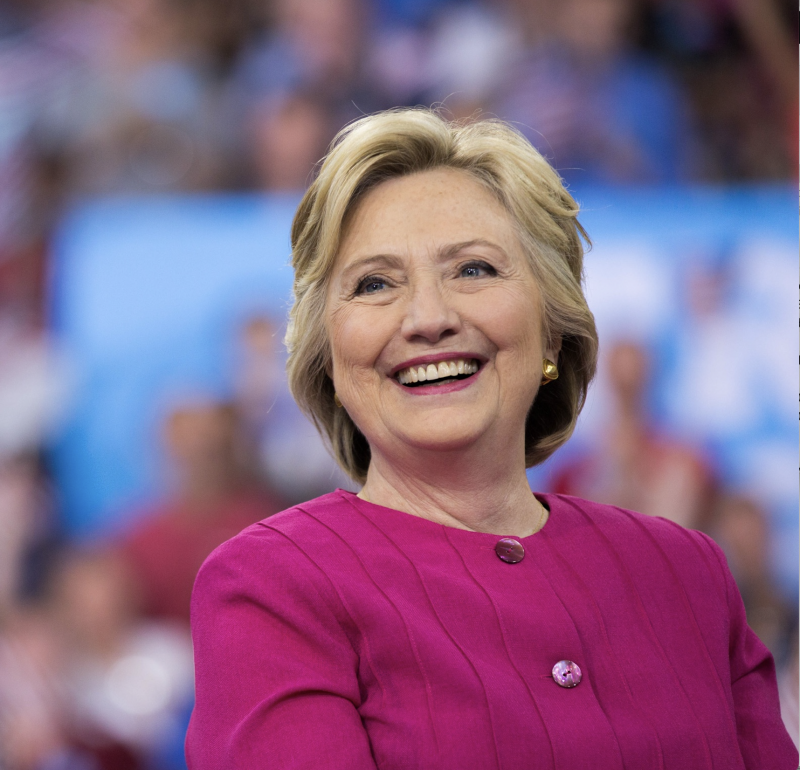
As violent unrest rocked Los Angeles, former Secretary of State Hillary Clinton described the riots as “peaceful,” drawing sharp backlash for downplaying chaos that caused millions in damage. President Trump’s deployment of 2,000 National Guard troops and enforcement of federal immigration law brought order, but reignited heated debate over the balance of federal authority and state sovereignty.
The riots erupted after ICE agents arrested 44 illegal immigrants with serious criminal records. In response, protesters looted stores, torched vehicles, and vandalized federal buildings. Amid the destruction, graffiti reading “KILL ICE” was scrawled near law enforcement staging areas.
California officials, including Governor Gavin Newsom and Mayor Karen Bass, openly defied Trump’s decision to intervene. Newsom called the deployment “illegal,” while Bass claimed it would “escalate tensions.” Clinton echoed their criticisms, labeling the demonstrations “mostly peaceful”—even as fires burned behind CNN’s live footage.
Trump, defending the federal response, said on social media:
“If I didn’t SEND IN THE TROOPS, that once-beautiful and great City would be burning to the ground right now.”
The legal foundation for Trump’s action lies in the Insurrection Act of 1807, which allows the president to use military forces when state leadership fails to maintain public safety. Constitutional experts argue that protecting federal property and restoring order justified the move.
Economically, the fallout is severe. Damage to local businesses and infrastructure has already climbed into the millions. Economist Dr. Laura Whitmore warned, “Cities hit by riots suffer long-term consequences—lost investment, diminished public trust, and economic decline.”
At the heart of the crisis is immigration. ICE’s arrests were lawful under federal jurisdiction, but California’s resistance raises critical concerns about national sovereignty. The Supreme Court reaffirmed in Arizona v. United States that immigration is a federal power, not a state option.
Clinton’s decision to silence critics on social media by limiting replies only fueled outrage. Many saw her comments as dismissive of the destruction and dangerous to civil discourse. Her critics argue that honest leadership requires acknowledging hard truths—not rewriting them.
In contrast, Trump’s swift action—though controversial—brought immediate results. The streets calmed, businesses reopened, and ICE agents resumed lawful operations under federal protection.
The riots exposed a widening gap between federal authority and state defiance. If the U.S. is to remain united, leaders must commit to honest debate, constitutional order, and respect for the rule of law.
https://www.youtube.com/watch?v=dy4R83EZZl8

James Jenkins is a celebrated Pulitzer Prize-winning author whose work has reshaped the way readers think about social justice and human rights in America. Raised in Atlanta, Georgia, James grew up in a community that instilled in him both resilience and a strong sense of responsibility toward others. After studying political science and creative writing at Howard University, he worked as a journalist covering civil rights issues before dedicating himself fully to fiction. His novels are known for their sharp, empathetic portraits of marginalized communities and for weaving personal stories with broader political realities. Jenkins’s breakout novel, Shadows of Freedom, won national acclaim for its unflinching look at systemic inequality, while his more recent works explore themes of identity, resilience, and the fight for dignity in the face of oppression. Beyond his novels, James is an active public speaker, lecturing at universities and participating in nonprofit initiatives that support literacy and community empowerment. He believes that storytelling is a way to preserve history and inspire change. When not writing, James enjoys jazz music, mentoring young writers, and traveling with his family to explore cultures and stories around the world.