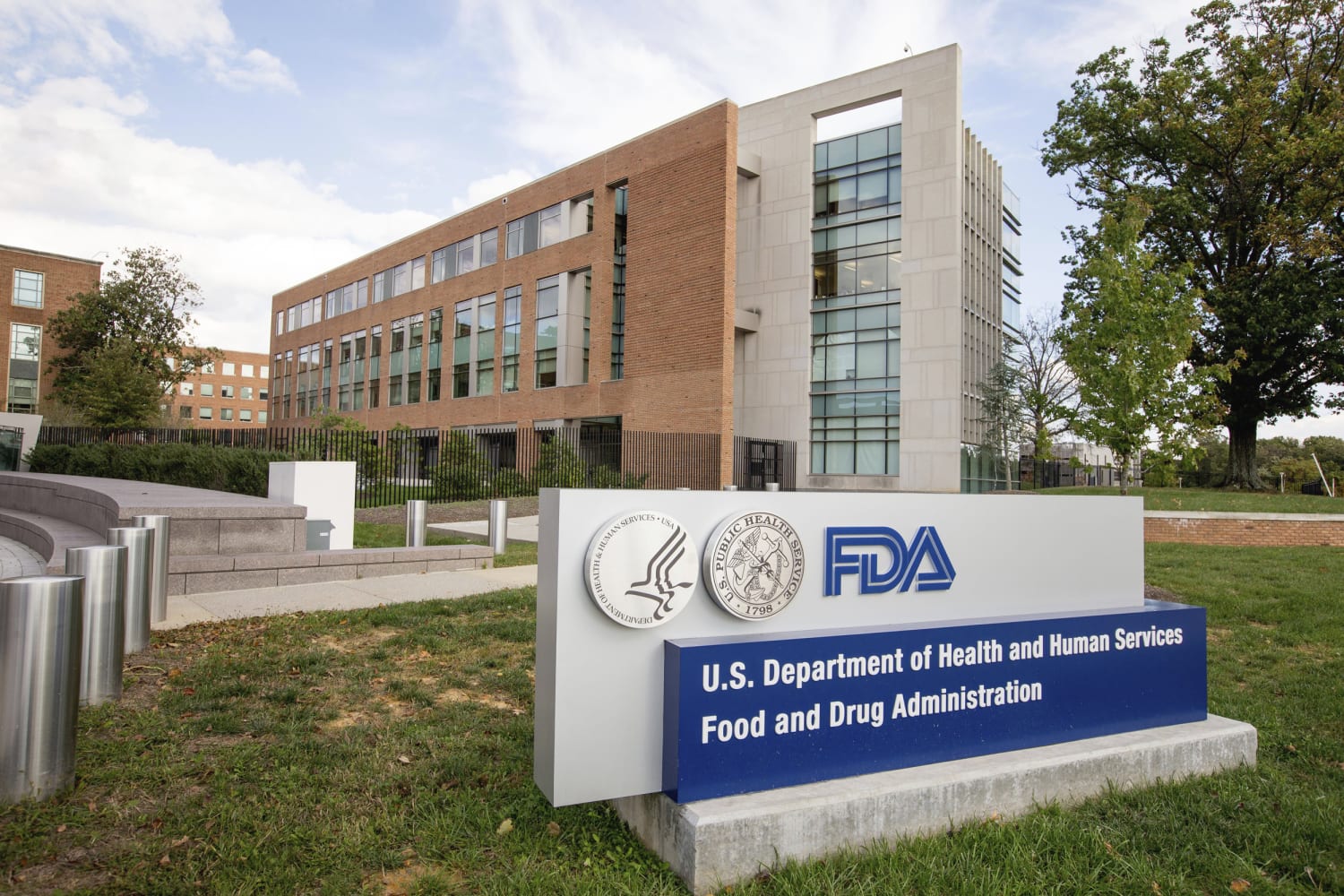
Federal health officials have issued an urgent recall of popular chocolate products after discovering an undeclared ingredient that could trigger severe, potentially fatal allergic reactions in consumers. The recall, announced by the U.S. Food and Drug Administration (FDA), highlights ongoing concerns about food labeling accuracy and the dangers posed to millions of Americans living with food allergies.
The recall involves a limited batch of plant-based chocolate bars sold nationwide, which were found to contain trace amounts of hazelnuts despite the allergen not being listed on the packaging. Health officials warned that individuals with a hazelnut allergy face a serious risk if they consume the product, including the possibility of life-threatening anaphylaxis.
According to the FDA, the affected product is Fran’s Pure Bar Almondmilk Chocolate, a 46 percent Madagascar plant-based chocolate sold in 1.1-ounce packages. The manufacturer, Fran’s Chocolates, Ltd., based in Seattle, Washington, is voluntarily recalling 112 units of the chocolate after internal testing revealed the presence of hazelnut residue.
The issue came to light after a supplier notified the company that an ingredient used in the chocolate had tested positive for hazelnuts. The contamination occurred because the ingredient was processed on shared equipment that also handled products containing tree nuts, raising the risk of cross-contact.
In a recall notice, the FDA cautioned that “people who have an allergy or severe sensitivity to hazelnut run the risk of serious or life-threatening allergic reaction if they consume this product.” Tree nut allergies are among the most dangerous food allergies, often causing severe reactions even when exposure is minimal.
The recalled chocolate bars were sold at four Fran’s Chocolates retail locations in Seattle and were also available for purchase nationwide through the company’s website. Sales occurred between October 9, 2025, and December 14, 2025, meaning the product may still be present in consumers’ homes during the holiday season.
The FDA confirmed it has received one report of an adverse allergic reaction linked to the chocolate bar. While no deaths or severe hospitalizations have been reported so far, officials stressed that the risk remains high for anyone with a hazelnut allergy who unknowingly consumes the product.
Consumers who purchased the chocolate have been urged not to eat it and to return it to the place of purchase for a full refund. Fran’s Chocolates has also encouraged customers to contact the company directly with questions or concerns.
Food allergy experts say the recall underscores the critical importance of accurate labeling, especially as plant-based and allergen-free products grow in popularity. Many consumers with food allergies rely heavily on ingredient lists to make safe purchasing decisions, and even trace amounts of allergens can have devastating consequences.
According to the Asthma and Allergy Foundation of America, roughly 20 million Americans live with food allergies, including approximately 4 million children. Tree nut allergies, which include hazelnuts, almonds, walnuts, cashews, and pistachios, affect about one percent of the U.S. population — an estimated 3.5 million people.
For individuals with hazelnut allergies, exposure can cause symptoms ranging from mild itching and hives to severe reactions such as swelling of the throat, difficulty breathing, vomiting, dizziness, and a sudden drop in blood pressure. In the most serious cases, anaphylaxis can develop rapidly and become fatal without immediate treatment.
Medical experts estimate that approximately 225 deaths occur each year in the United States due to anaphylaxis, with food allergies being a leading cause. Tree nuts are among the allergens most commonly associated with fatal reactions.
The chocolate recall is just one of several allergen-related recalls issued by the FDA in recent weeks, reflecting a broader trend of labeling errors and cross-contamination issues across the food industry.
Earlier this month, A.S.K. Foods, LLC, based in Pennsylvania, recalled select 32-ounce containers of Publix Rice & Pigeon Peas after discovering the product contained undeclared soy — another major allergen. The affected items were sold exclusively at Publix stores in Florida.
In that case, the FDA determined the product had been packaged with an incorrect ingredient label intended for a different pasta dish. While no illnesses were reported, the undeclared soy posed a serious risk to nearly two million Americans who have a soy allergy.
For people allergic to soy, exposure can also lead to symptoms ranging from skin irritation to severe anaphylaxis. The FDA warned that even small amounts of soy can provoke dangerous reactions in sensitive individuals.
Food safety advocates say these incidents highlight ongoing challenges in supply chain management, shared manufacturing equipment, and labeling oversight. While most food companies follow strict safety protocols, errors can still occur — particularly when ingredients are sourced from third-party suppliers or processed in shared facilities.
The FDA requires food manufacturers to clearly label the presence of nine major allergens: milk, eggs, fish, shellfish, tree nuts, peanuts, wheat, soybeans, and sesame. Failure to do so can result in recalls, regulatory action, and significant reputational damage.
Consumer safety groups continue to urge people with food allergies to remain vigilant, carefully read labels, and monitor FDA recall announcements. Experts also recommend that individuals at risk of severe allergic reactions carry emergency medication, such as epinephrine auto-injectors, at all times.
As the holiday season brings an increase in food gifting and online purchases, health officials warn that allergen exposure risks may rise. Chocolates and baked goods are among the most common products involved in allergy-related recalls, particularly when ingredients are shared across multiple production lines.
The FDA said it will continue to monitor the situation and work with manufacturers to ensure recalled products are removed from circulation. In the meantime, consumers are advised to check their pantries and discard or return any recalled items immediately.
While the number of affected chocolate bars in this case is relatively small, officials emphasized that even limited recalls can have serious implications when allergens are involved. One mislabeled product is enough to cause a medical emergency — or worse — for someone with a severe allergy.
For now, regulators stress that prevention, transparency, and swift action remain the most effective tools in protecting public health, especially for vulnerable populations relying on accurate food labeling to stay safe.

Emily Johnson is a critically acclaimed essayist and novelist known for her thought-provoking works centered on feminism, women’s rights, and modern relationships. Born and raised in Portland, Oregon, Emily grew up with a deep love of books, often spending her afternoons at her local library. She went on to study literature and gender studies at UCLA, where she became deeply involved in activism and began publishing essays in campus journals. Her debut essay collection, Voices Unbound, struck a chord with readers nationwide for its fearless exploration of gender dynamics, identity, and the challenges faced by women in contemporary society. Emily later transitioned into fiction, writing novels that balance compelling storytelling with social commentary. Her protagonists are often strong, multidimensional women navigating love, ambition, and the struggles of everyday life, making her a favorite among readers who crave authentic, relatable narratives. Critics praise her ability to merge personal intimacy with universal themes. Off the page, Emily is an advocate for women in publishing, leading workshops that encourage young female writers to embrace their voices. She lives in Seattle with her partner and two rescue cats, where she continues to write, teach, and inspire a new generation of storytellers.