NOTE: VIDEO BELOW
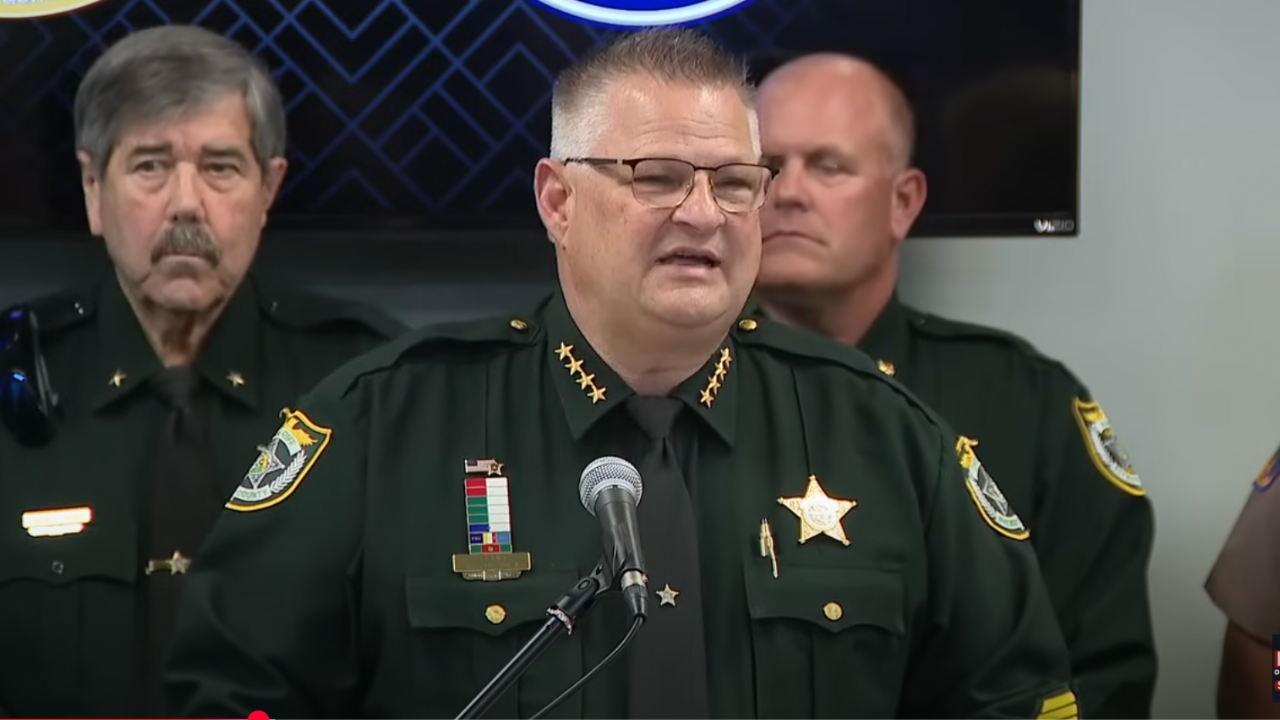
In a forceful media briefing, Brevard County Sheriff Wayne Ivey set off alarm bells nationwide by issuing dire warnings to individuals planning to protest upcoming immigration enforcement actions. Stating that participants could face jail time, severe injury—or even death—if they violate laws or confront law enforcement, Ivey’s words have sparked fierce backlash from constitutional experts and civil rights advocates. His remarks are now being scrutinized for potentially overstepping ethical and legal boundaries.
Ivey’s statement comes amid escalating tensions surrounding recent ICE operations and a wave of “No Kings” protests across the nation. Civil liberties organizations, including the ACLU and NAACP, swiftly condemned his rhetoric. They argue that branding potential protesters with violence could chill their First Amendment rights and may even violate Florida laws against issuing criminal threats.
Supporters of the sheriff commend his hardline approach, viewing it as a necessary step to preserve public order during a period of heightened civil unrest. But his critics argue that using fear-based rhetoric from a position of authority undermines trust in law enforcement and may discourage citizens from exercising their democratic right to peaceful assembly.
The incident taps into a broader, national debate over how public safety intersects with free expression—an issue that has been at the forefront since the protests of 2020 and ongoing discussions around policing reforms.
Arguments from both sides echo a central question: Can law enforcement issue threats strong enough to deter violence without trampling constitutional freedoms? Critics argue that Ivey’s remarks are excessive. Supporters maintain that firm warnings act as a deterrent during potentially volatile demonstrations.
This controversy puts a spotlight on the communication strategies of elected law enforcement officials. It also raises questions about accountability: What are the legal and ethical limits of their public statements? When does a warning cross the line into intimidation or unlawful threats?
As communities continue to balance public safety with democratic rights, voices on both sides are calling for clarity: civil rights leaders demand formal investigations into Ivey’s remarks, while others insist he has a responsibility to issue clear warnings when safety is threatened.

James Jenkins is a celebrated Pulitzer Prize-winning author whose work has reshaped the way readers think about social justice and human rights in America. Raised in Atlanta, Georgia, James grew up in a community that instilled in him both resilience and a strong sense of responsibility toward others. After studying political science and creative writing at Howard University, he worked as a journalist covering civil rights issues before dedicating himself fully to fiction. His novels are known for their sharp, empathetic portraits of marginalized communities and for weaving personal stories with broader political realities. Jenkins’s breakout novel, Shadows of Freedom, won national acclaim for its unflinching look at systemic inequality, while his more recent works explore themes of identity, resilience, and the fight for dignity in the face of oppression. Beyond his novels, James is an active public speaker, lecturing at universities and participating in nonprofit initiatives that support literacy and community empowerment. He believes that storytelling is a way to preserve history and inspire change. When not writing, James enjoys jazz music, mentoring young writers, and traveling with his family to explore cultures and stories around the world.