NOTE: VIDEO at the end of the article.
As tensions continue to rise in Los Angeles following a wave of protests triggered by federal immigration enforcement actions, the U.S. military has confirmed the deployment of 700 Marines to the city. This marks a significant escalation in the federal response to the unrest, which has intensified since demonstrations began late last week.
According to Pentagon officials, the decision was made in coordination with the White House and the Department of Homeland Security, following reports of widespread property damage, assaults on law enforcement officers, and growing concerns about public safety. The protests, initially sparked by U.S. Immigration and Customs Enforcement (ICE) raids in downtown Los Angeles, have since grown in scale and intensity.
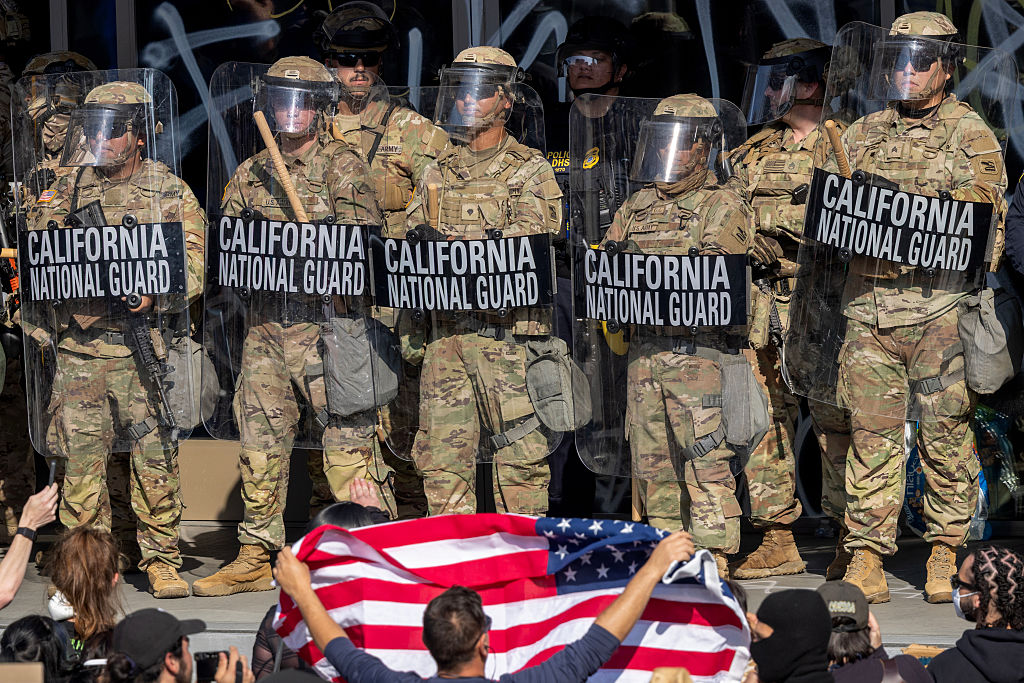
The Marines, part of a rapid response unit based in California, have been mobilized to assist the National Guard and local law enforcement in maintaining order. Officials emphasized that the Marines would be tasked primarily with logistical and support roles, but acknowledged that their presence represents a firm warning against further violence.
“We are committed to restoring order while protecting the rights of peaceful demonstrators,” a senior military spokesperson said. “However, destruction of property, assaults on officers, and threats to community safety will not be tolerated.”
This latest move comes after President Donald Trump activated the National Guard on Saturday night, citing an urgent need to stabilize the situation on the ground. Over the weekend, the protests saw flare-ups of violence, with fires set, vehicles damaged, and videos emerging of demonstrators clashing with police. Some protesters were seen waving foreign flags, drawing criticism from Republican leaders and fueling heated national debate.
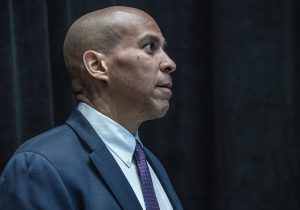
The federal response has drawn mixed reactions. Supporters argue that decisive action is necessary to prevent further chaos and protect public infrastructure. Critics, including prominent Democrats like Senator Cory Booker, have condemned the military presence, warning that it could further inflame tensions and violate norms regarding the use of military force on U.S. soil.
For now, Los Angeles remains on high alert. Several neighborhoods are under curfew, and law enforcement agencies have ramped up patrols across the city. The deployment of Marines marks one of the most significant domestic military actions in recent years, reflecting the seriousness of the crisis unfolding.
As the situation develops, all eyes will be on how local officials, federal authorities, and community leaders navigate the days ahead — and whether this show of force will bring calm or fuel further unrest.
PLAY:
https://www.youtube.com/watch?v=FKICX65Lkss
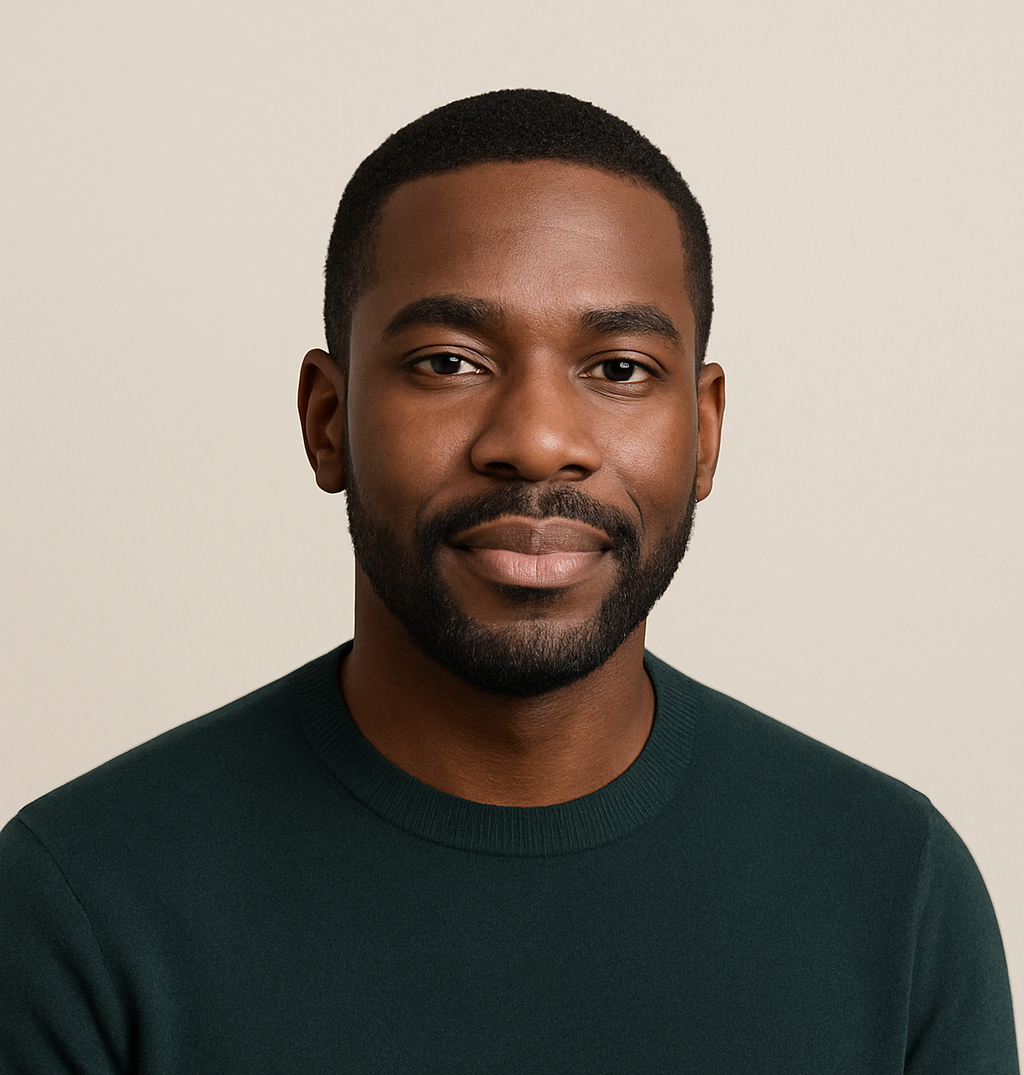
James Jenkins is a celebrated Pulitzer Prize-winning author whose work has reshaped the way readers think about social justice and human rights in America. Raised in Atlanta, Georgia, James grew up in a community that instilled in him both resilience and a strong sense of responsibility toward others. After studying political science and creative writing at Howard University, he worked as a journalist covering civil rights issues before dedicating himself fully to fiction. His novels are known for their sharp, empathetic portraits of marginalized communities and for weaving personal stories with broader political realities. Jenkins’s breakout novel, Shadows of Freedom, won national acclaim for its unflinching look at systemic inequality, while his more recent works explore themes of identity, resilience, and the fight for dignity in the face of oppression. Beyond his novels, James is an active public speaker, lecturing at universities and participating in nonprofit initiatives that support literacy and community empowerment. He believes that storytelling is a way to preserve history and inspire change. When not writing, James enjoys jazz music, mentoring young writers, and traveling with his family to explore cultures and stories around the world.