
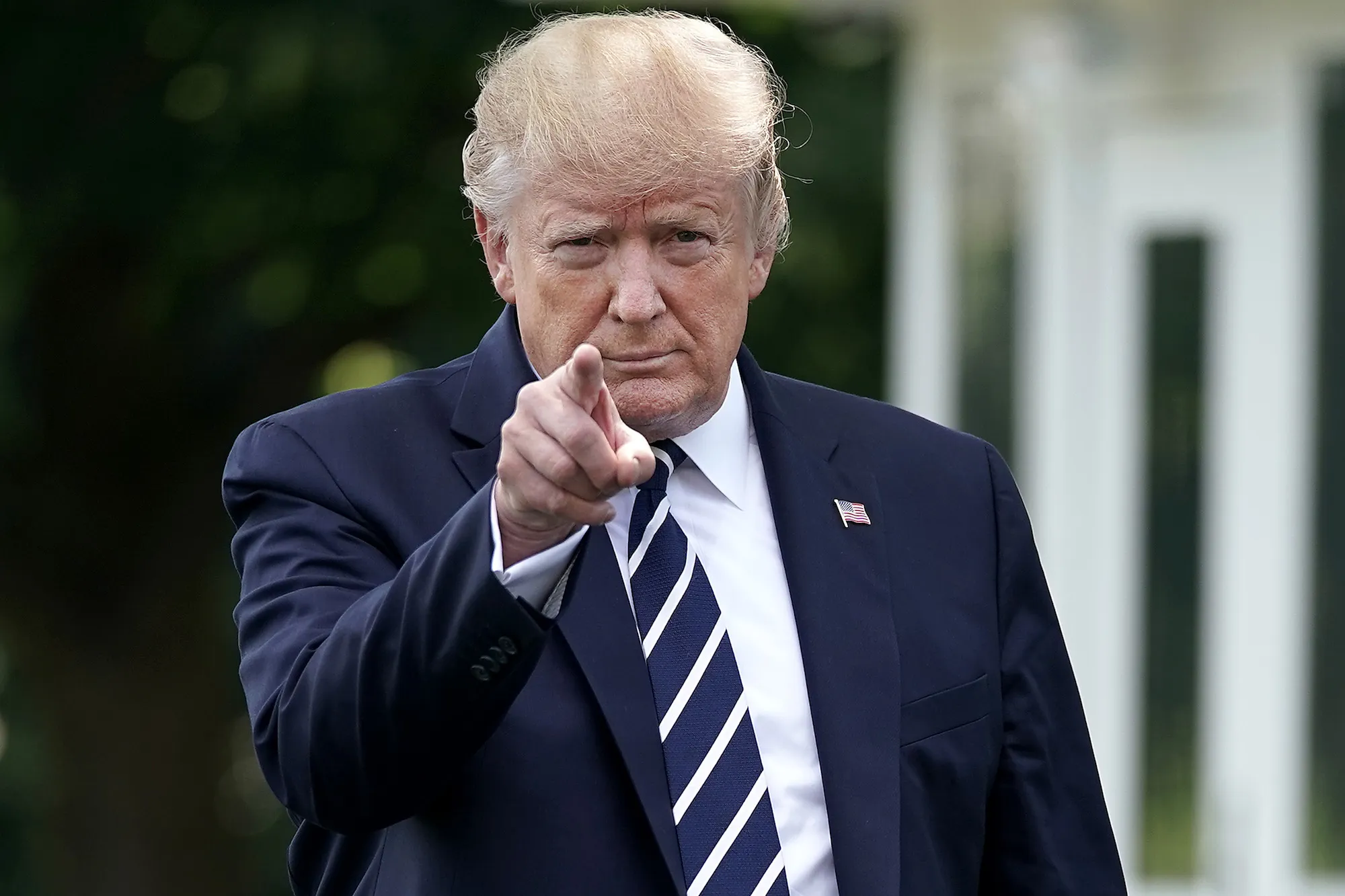
President Donald Trump ignited a national debate on immigration and refugee policy Thursday evening after announcing a sweeping overhaul aimed at sharply reducing refugee admissions and imposing a “permanent pause” on migration from what he described as high-risk nations. The announcement came hours after the tragic death of a young National Guardsman, a shooting that has already intensified longstanding concerns among conservatives about border security, vetting failures, and the consequences of the Biden-era migration surge.
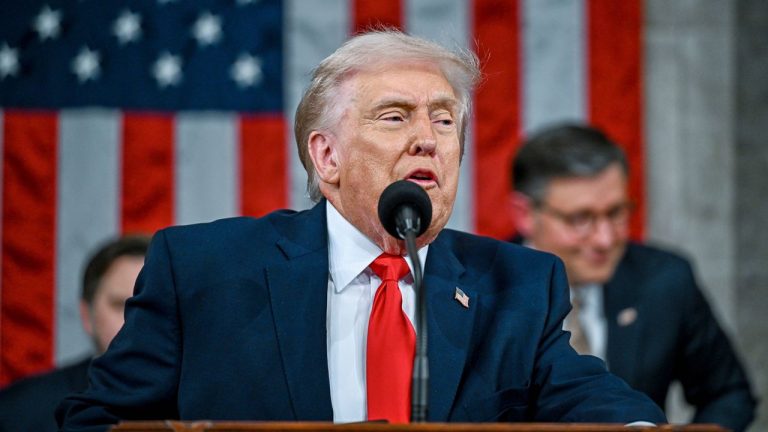
In a Thanksgiving message posted to Truth Social, Trump laid out his clearest and most aggressive immigration plan since returning to office. The tone was unmistakably urgent — fueled, in part, by the news that two National Guardsmen were shot in Washington, D.C., allegedly by a man believed to be an Afghan national. One of the Guardsmen, 20-year-old Sarah Beckstrom, later died of her injuries. Another, 24-year-old Andrew Wolfe, remains in critical condition.
The horrifying attack quickly became a national flashpoint, and the president’s response reflected a deep sense of frustration with what he has long described as systemic failures inherited from the previous administration.
A Dramatic Announcement After a National Tragedy
Trump’s message blended condolences, policy, and a forceful critique of the current immigration system. He argued that migrants admitted under previous policies consume disproportionate benefits and place strain on American communities.
“A migrant earning $30,000 with a green card will get roughly $50,000 in yearly benefits for their family,” Trump wrote, insisting that real population figures were far larger than officially acknowledged. He described the refugee burden as a key driver of “social dysfunction.”
The president also warned of growing demographic and cultural pressures he says are affecting several states, including Minnesota, where refugee arrivals surged over the past decade. In criticizing the state’s leadership, Trump used a disparaging phrase about Governor Tim Walz — which he has employed before in political rhetoric — but which cannot be reproduced verbatim here. The underlying message, however, was clear: Trump believes Minnesota’s leadership has failed to confront the consequences of unchecked migration.
He then unveiled a detailed list of sweeping policy changes, declaring:
-
A permanent pause on migration from “Third World countries”
-
Termination of “millions” of Biden-era admissions, including those he claims were approved improperly
-
Removal of any noncitizen deemed a net burden or unwilling to assimilate
-
An end to federal benefits and subsidies for noncitizens
-
The potential denaturalization of individuals who undermine public safety or domestic stability
-
Deportation of anyone posing a security risk or failing to integrate into American civic life
Trump described these measures as part of what he called “reverse migration”, a strategy he argues is necessary to restore order, reduce crime, and ease pressure on American infrastructure and communities.
His message ended with a pointed holiday wish — an unmistakable blend of gratitude and frustration directed toward those he views as threats to American values.
A Country on Edge After the Guard Shooting
Just hours before Trump’s announcement, news broke that Guardsman Sarah Beckstrom had succumbed to her injuries following Wednesday’s shooting in Washington, D.C. Her colleague, Andrew Wolfe, remains in critical condition.
The suspect, believed to be an Afghan national, was taken into custody shortly after the incident. The attack struck a nerve in a capital already shaken by recent high-profile crimes and growing concerns over national security.
For many of Trump’s supporters, the tragedy was more than an isolated event — it was further proof of what they see as the urgent need for tighter immigration controls, stricter vetting, and a re-prioritization of American security interests.
Trump’s New Refugee Cap: A Massive Shift
Earlier this week, the administration had already signaled a dramatic shift in U.S. refugee policy when it announced that no more than 7,500 refugees would be admitted during the upcoming fiscal year — a staggering reduction from the roughly 100,000 admitted annually under President Biden.
The new ceiling marks the lowest refugee intake since the 1970s, representing a foundational shift in how the United States approaches humanitarian admissions.
What drew even more attention was the administration’s decision to prioritize white South Africans — particularly Afrikaners — who the administration says face discrimination and targeted violence in their home country. Notices published in the Federal Register state that individuals who are victims of “illegal or unjust discrimination” will be placed at the front of the line under the revised policy.
This priority marks a departure from decades of refugee categorization, and it underscores Trump’s insistence that race should not prevent acknowledgment of real persecution — a position that has generated significant debate both in the U.S. and abroad.
A Break From Past Practice
The administration also announced a major restructuring of how refugee resettlement is managed. For decades, the State Department has overseen the network of public and private groups involved in relocating refugees into the U.S.
Trump’s new policy transfers that authority to the Office of Refugee Resettlement (ORR) under the Department of Health and Human Services — a move that signals the administration’s desire to streamline the system and impose tighter federal oversight.
According to Politico, ORR will now take full responsibility for contracting with resettlement agencies, distributing funds, and coordinating logistics for new arrivals.
While the administration offered limited explanation for the shift, it emphasized the need to:
-
Serve the national interest
-
Protect taxpayer dollars
-
Maintain the integrity of the immigration system
-
Ensure refugees can achieve rapid economic independence
-
Promote assimilation into American society
Supporters of the change argue that the existing system grew bloated under past administrations, becoming more expensive and less accountable. Critics, however, warn that the shift could weaken oversight or slow down urgent humanitarian processing.
A Clash With Congress
In its notice, the White House stated that no refugees will be admitted at all in FY26 until formal consultations with Congress are completed. The administration blamed the delay on lawmakers who pushed the federal government toward a shutdown, arguing that their actions effectively paused the consultation process.
The standoff adds yet another layer of complexity to the already fraught immigration policy battle between the White House and Congress, particularly as several Democratic lawmakers continue to press for higher refugee caps and broader humanitarian pathways.
But for now, the administration’s message is unmistakable: the era of large-scale refugee admissions has ended, and the country is entering what Trump has described as a “full reset.”
A Turning Point in America’s Immigration Debate
Between the deadly shooting in Washington, rising concerns about migrant-related crime, and major shifts in national refugee strategy, this Thanksgiving week may be remembered as a turning point in America’s immigration debate.
Trump’s announcement landed with force — a clear signal that his administration intends to move swiftly, unapologetically, and with a renewed emphasis on national interest, cultural cohesion, and public safety.
For millions of conservatives, it is a long-awaited correction to what they see as years of mismanagement under prior administrations.
For opponents, it is a stark departure from traditional U.S. humanitarian commitments.
Either way, the battlelines are drawn — and the country is bracing for the political fight to come.

Emily Johnson is a critically acclaimed essayist and novelist known for her thought-provoking works centered on feminism, women’s rights, and modern relationships. Born and raised in Portland, Oregon, Emily grew up with a deep love of books, often spending her afternoons at her local library. She went on to study literature and gender studies at UCLA, where she became deeply involved in activism and began publishing essays in campus journals. Her debut essay collection, Voices Unbound, struck a chord with readers nationwide for its fearless exploration of gender dynamics, identity, and the challenges faced by women in contemporary society. Emily later transitioned into fiction, writing novels that balance compelling storytelling with social commentary. Her protagonists are often strong, multidimensional women navigating love, ambition, and the struggles of everyday life, making her a favorite among readers who crave authentic, relatable narratives. Critics praise her ability to merge personal intimacy with universal themes. Off the page, Emily is an advocate for women in publishing, leading workshops that encourage young female writers to embrace their voices. She lives in Seattle with her partner and two rescue cats, where she continues to write, teach, and inspire a new generation of storytellers.