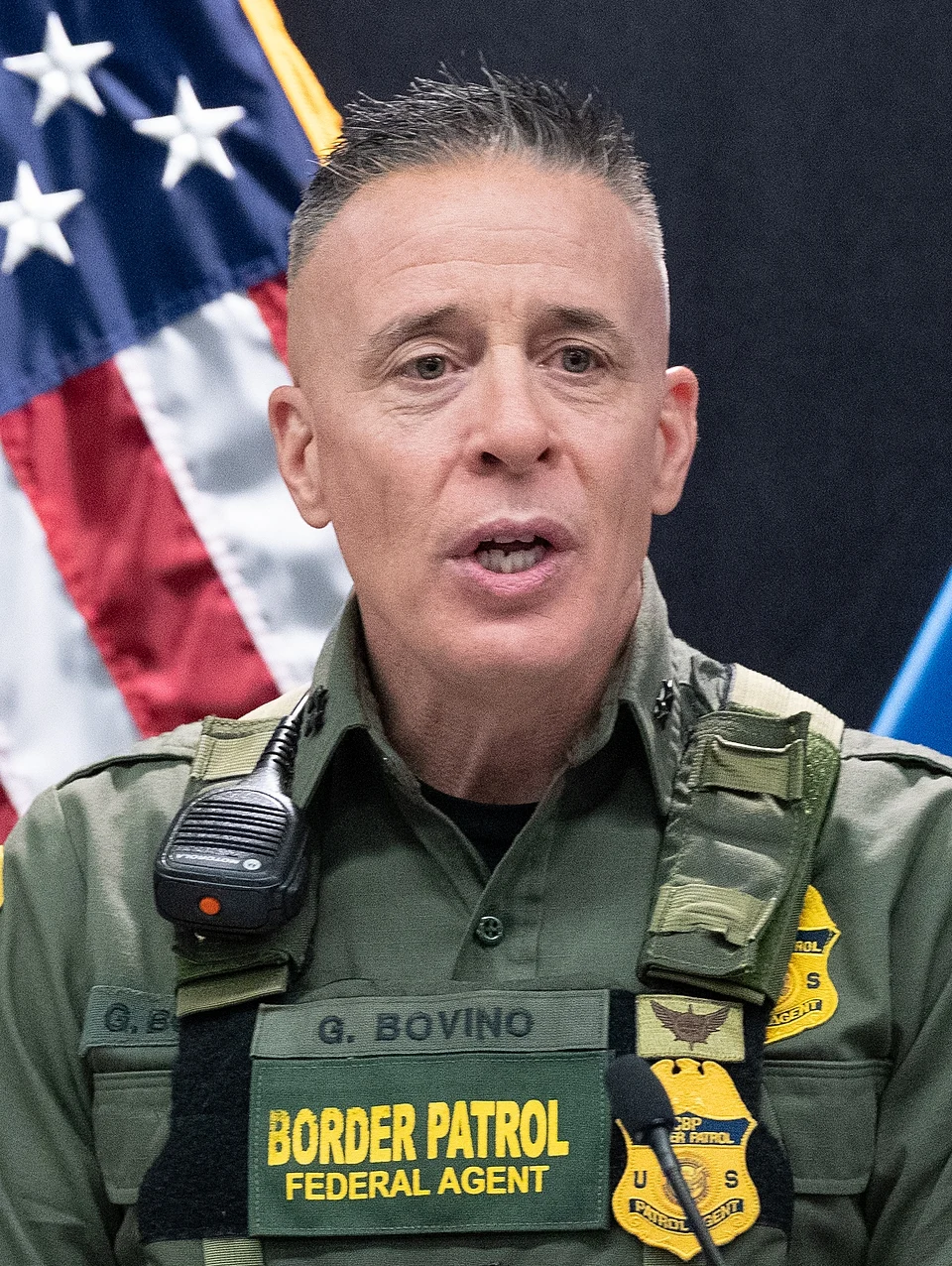
Greg Bovino, the former Border Patrol chief overseeing immigration operations in Minneapolis, broke his public silence this week with a message that immediately reignited controversy. It was his first statement since being removed from his role following two fatal shootings connected to a January immigration enforcement operation. Rather than expressing regret or restraint, Bovino used the moment to double down on his defense of Border Patrol agents and to signal unwavering loyalty to his team.
Bovino’s removal came in the aftermath of a deadly immigration sweep carried out on January 24, an operation that ended with the deaths of two Americans. One of those killed was Alex Pretti, a 37-year-old intensive care unit nurse whose death quickly became a focal point of national debate over immigration enforcement tactics and federal accountability. The incident triggered intense scrutiny of Border Patrol leadership in Minneapolis, ultimately leading to Bovino being ordered to leave the city along with several members of his command staff.
Despite the growing backlash, Bovino’s first public remarks showed no signs of retreat. In a video message recorded in front of Mount Rushmore and shared publicly days after his removal, Bovino spoke directly to Border Patrol agents, delivering words of praise, solidarity, and encouragement. His tone was defiant and emotional, framing the controversy not as a failure of leadership but as an unjust attack on law enforcement officers doing their jobs.
“I love you, I support you, and I salute you,” Bovino said in the video, addressing agents who have come under intense public criticism since the shootings. He went on to assure them that his loyalty remained unchanged, adding, “I’ve got your back, now and always.” The message was unmistakable: even after being removed from his position, Bovino was not distancing himself from the actions of his agents or the decisions made under his leadership.
The video quickly circulated online and drew sharp reactions from both supporters and critics. To Bovino’s allies, the message represented strength and moral clarity in the face of political pressure. To his critics, it was seen as tone-deaf and inflammatory, especially given the unresolved questions surrounding Pretti’s death and the conduct of federal officers during the operation.
At the center of the controversy is the shifting narrative surrounding the fatal shooting of Alex Pretti. In the immediate aftermath of the incident, Bovino publicly claimed that Pretti had been armed when he was shot, implying that agents acted in self-defense. That assertion became a key part of the initial justification for the use of deadly force.
However, subsequent video footage contradicted that account. The footage showed that Pretti had already been disarmed of his Sig Sauer P320 pistol at the time shots were fired. This revelation intensified public outrage and raised serious questions about the accuracy of early statements made by federal officials, including Bovino himself.
As the scrutiny deepened, Bovino escalated his rhetoric. In public comments following the shooting, he labeled Pretti a “domestic terrorist” and suggested that the nurse had been planning a mass attack on immigration officers. Those remarks further inflamed tensions, particularly as no evidence supporting such claims was publicly presented. For many observers, the language appeared designed to justify the shooting after the fact rather than to clarify what had occurred.
Bovino also pointed blame beyond his agency, accusing political leaders of contributing to a hostile environment for federal officers. He specifically criticized Minnesota Governor Tim Walz, suggesting that political rhetoric surrounding immigration enforcement had fueled resistance and violence against agents. These comments drew swift condemnation from state officials and civil rights advocates, who accused Bovino of politicizing a tragedy and deflecting responsibility.
Within days of the shooting, pressure mounted on federal authorities to demonstrate accountability. Bovino’s departure from Minneapolis earlier this week marked a significant turning point. While officials stopped short of calling it a firing, his removal was widely interpreted as a response to the mounting controversy and the growing disconnect between official statements and emerging evidence.
Still, Bovino’s video message made clear that he views his removal not as a rebuke but as a sacrifice made in the line of duty. In the recording, he praised Border Patrol agents for what he described as months of relentless and dangerous work, referring to them as the “Mean Green Machine.” He framed their actions in Minneapolis as part of a broader national effort, emphasizing the strain agents have faced over the past nine months.
“I’m very proud of what you are doing in Minneapolis right now,” Bovino said, extending that praise to operations across the country. “Just like you’ve done it across the United States over these past tough nine months, it makes me very proud.” The remarks reflected a leader who remains deeply aligned with enforcement culture, even as public confidence in that culture is being questioned.
The video did not address the families of those killed, nor did it acknowledge the pain caused by the shootings. That absence became another point of criticism, with detractors arguing that Bovino missed an opportunity to show empathy or to signal a commitment to transparency. Instead, his message focused exclusively on morale within the agency and resistance to external criticism.
The national conversation surrounding immigration enforcement has grown increasingly heated in recent years, and the Minneapolis shootings have only intensified that divide. Supporters of strict enforcement argue that federal agents are being unfairly targeted and second-guessed in dangerous situations. Critics counter that unchecked authority and aggressive tactics have led to unnecessary loss of life and eroded public trust.
Bovino’s parting message has come to symbolize that broader conflict. To some, it represents a steadfast defense of law enforcement under fire. To others, it underscores a refusal to reckon with the consequences of leadership decisions and public rhetoric. As investigations continue and calls for reform grow louder, the impact of Bovino’s words is likely to linger long after his departure from Minneapolis.
Whether his statement will galvanize support within Border Patrol ranks or further alienate a skeptical public remains to be seen. What is clear is that Greg Bovino has chosen his stance: unapologetic, defiant, and firmly aligned with the agents he once commanded, even as the controversy surrounding his tenure continues to unfold.