
Tensions in Minneapolis have reached a boiling point after a fatal shooting involving federal immigration officers ignited protests, political backlash, and sharp warnings from the nation’s top law enforcement officials. What began as a chaotic encounter during an immigration enforcement operation has now evolved into a national debate over policing, protest, political rhetoric, and the limits of lawful resistance.
City streets that only days ago were calm are now filled with demonstrators, candlelight vigils, and heated arguments over responsibility and justice. At the center of the storm is a brief but explosive confrontation between Immigration and Customs Enforcement officers and a woman inside a vehicle—an encounter that ended in gunfire and a death that continues to divide the country.
A Video That Changed Everything
The incident came to public attention after cellphone footage spread rapidly online. The video shows officers surrounding an SUV stopped across a roadway. One officer approaches the driver’s side door, demanding that the driver open it. Moments later, the vehicle begins to move forward.
Another officer, positioned in front of the SUV, raises his weapon and fires multiple shots in quick succession as the vehicle advances. The SUV then veers away, striking parked cars before coming to a stop.
Within hours, the footage sparked outrage, grief, and sharply opposing interpretations. Some viewed the shooting as reckless and unnecessary. Others argued the officer acted to protect his own life.
Protests Erupt Across Minneapolis
By evening, hundreds of people gathered near the site of the shooting. Some came to mourn. Others came to protest federal immigration enforcement operations in the city. Chants echoed through the streets, signs were raised, and tensions with police quickly escalated.
Community leaders called for calm. Activist groups demanded accountability. Social media amplified every development, turning a local tragedy into a national controversy almost overnight.
Minneapolis officials soon announced school closures, citing safety concerns linked to the growing unrest. The Minnesota National Guard was placed on standby as authorities prepared for the possibility of larger demonstrations.
Federal Leaders Step In
As protests continued, federal officials responded forcefully.
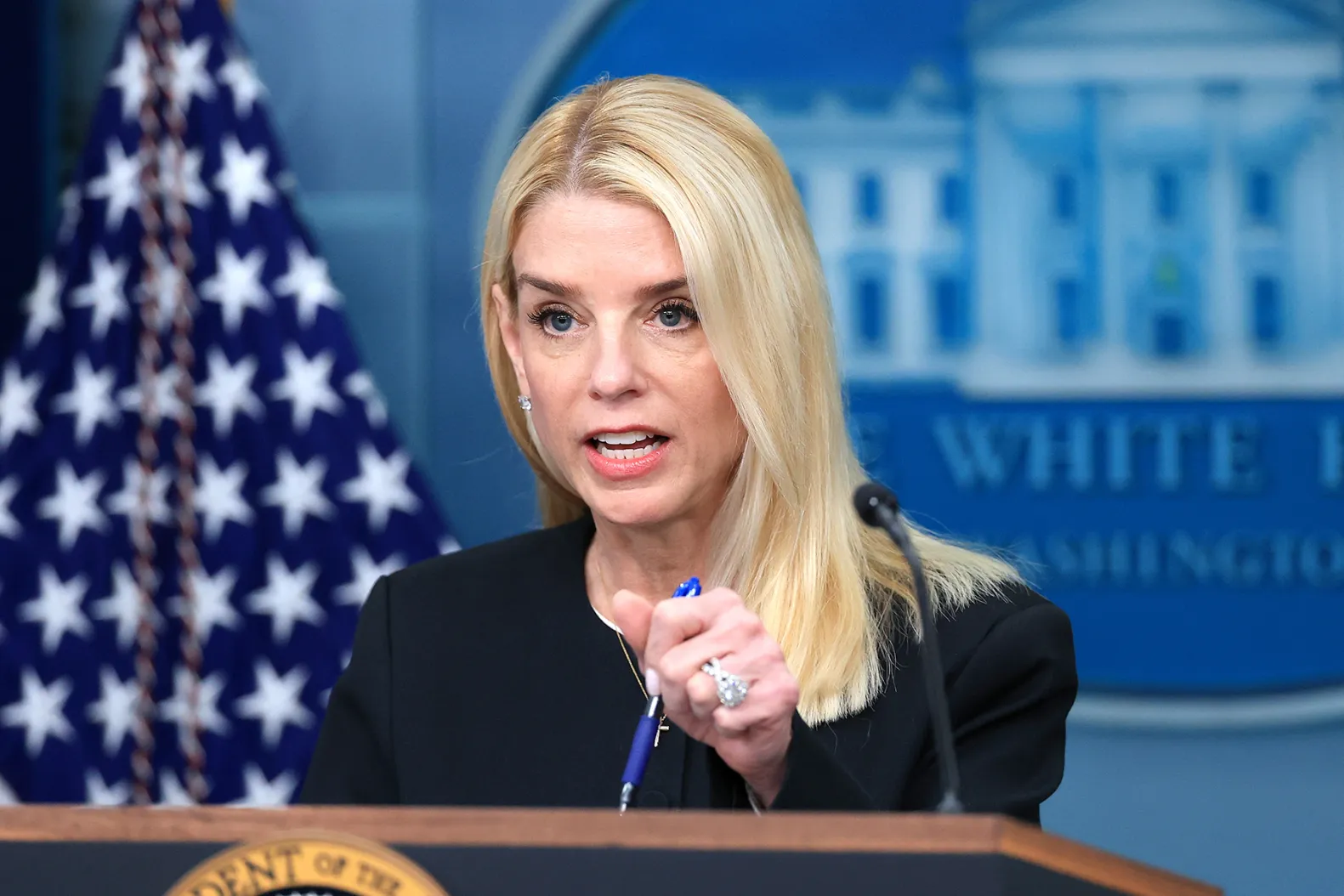
Attorney General Pam Bondi issued a public warning, making it clear that while peaceful protest is protected under the Constitution, any attempt to obstruct, damage, or attack federal law enforcement would carry serious consequences.
“Peaceful protest is a sacred American right,” she said. “But obstructing, impeding, or attacking federal law enforcement is a federal crime. If you cross that red line, you will be arrested and prosecuted.”
Her message was direct, measured, and unmistakable: protest is permitted, violence is not.
The statement immediately drew praise from supporters who said law enforcement officers deserve clear backing. Critics, however, accused Bondi of escalating tensions instead of easing them.
The Vice President’s Defense of the Officer
Vice President JD Vance added further weight to the administration’s stance. Speaking from the White House, he said the ICE officer involved was clearly acting in self-defense.
He criticized media coverage that portrayed the shooting as unjustified, arguing that such narratives place officers in greater danger.
“This was an attack on law and order,” Vance said. “And when you frame it differently, you put our officers at risk.”
Vance also noted that the officer who fired had previously been injured in a separate vehicle-related incident, adding context to the officer’s perception of threat in the moment.
Rising Attacks on Immigration Officers
Federal officials have repeatedly warned of increasing hostility toward immigration enforcement personnel. According to DHS, assaults against ICE and Border Patrol agents have risen dramatically over the past year as enforcement operations expanded.
Officials point to past attacks on ICE facilities, online doxxing campaigns targeting officers, and organized efforts to obstruct operations as evidence of a dangerous trend.
For the administration, the Minneapolis incident is not isolated—it is part of a broader pattern of escalating confrontation between activists and federal agents.
Who Was the Woman?
As debates raged, the identity of the woman in the vehicle was confirmed. Her name was Renee Good, a 37-year-old mother of three.
Her family described her as compassionate, gentle, and deeply caring. According to her mother, Renee had spent much of her life helping others and may not have even been involved in organized protests.
“She was one of the kindest people I’ve ever known,” her mother said. “She took care of people all her life. She was loving and forgiving.”
Friends echoed similar sentiments, describing her as devoted to her children and deeply empathetic.
Her death transformed the controversy from a political clash into a deeply personal tragedy for those who loved her.
Two Narratives, One Tragedy
The case now sits at the crossroads of two powerful narratives.
One side sees a woman killed unnecessarily during a federal operation, arguing that excessive force ended a life that did not need to be lost.
The other sees a law enforcement officer facing a split-second decision as a vehicle moved toward him, believing he acted to save his own life.
Both narratives carry emotional weight. Both are fueled by fear, anger, and grief.
And both are now being examined under the lens of federal investigation.
Investigations Underway
Federal and state authorities have launched formal reviews into the shooting. Officials say body camera footage, eyewitness testimony, ballistic evidence, and vehicle movement data will all be analyzed.
No conclusions have yet been announced. Officials emphasize that the investigation will take time and must be allowed to proceed without political pressure.
Bondi and Vance have both said the legal process must determine responsibility, not public outrage or online speculation.
Political Fallout
The incident has already reshaped political conversations in Minnesota.
Mayor Jacob Frey criticized the federal version of events, calling the shooting reckless. Governor Tim Walz warned against further federal escalation and urged calm.
Meanwhile, law enforcement organizations accused state leaders of inflaming tensions with anti-police rhetoric.
The divide between state and federal leadership has rarely looked sharper.
A City on Edge
In Minneapolis, the atmosphere remains tense. Businesses have boarded up windows. Police patrol in greater numbers. Community leaders work to prevent violence while urging transparency and accountability.
For many residents, the situation feels painfully familiar—another moment when a single violent encounter threatens to reopen deep national wounds.
The Administration’s Message
Through it all, the Trump administration has delivered a consistent message: enforcement will continue, officers will be protected, and violence against federal agents will not be tolerated.
Bondi’s “red line” warning has become the defining phrase of the moment—a signal that while protest is allowed, confrontation will not be excused.
What Happens Next
The investigation will ultimately decide whether the officer’s actions were lawful. Courts, not protests or political speeches, will determine responsibility.
But the emotional impact of Renee Good’s death will not fade with a legal ruling. Her family’s grief, the community’s anger, and the nation’s divisions will linger long after the headlines move on.
For Minneapolis, the challenge now is finding a path forward that honors life, protects justice, and prevents another tragedy from unfolding on its streets.
And for the country, the incident stands as another reminder of how fragile the line between order and chaos can be—and how quickly it can be crossed.

Emily Johnson is a critically acclaimed essayist and novelist known for her thought-provoking works centered on feminism, women’s rights, and modern relationships. Born and raised in Portland, Oregon, Emily grew up with a deep love of books, often spending her afternoons at her local library. She went on to study literature and gender studies at UCLA, where she became deeply involved in activism and began publishing essays in campus journals. Her debut essay collection, Voices Unbound, struck a chord with readers nationwide for its fearless exploration of gender dynamics, identity, and the challenges faced by women in contemporary society. Emily later transitioned into fiction, writing novels that balance compelling storytelling with social commentary. Her protagonists are often strong, multidimensional women navigating love, ambition, and the struggles of everyday life, making her a favorite among readers who crave authentic, relatable narratives. Critics praise her ability to merge personal intimacy with universal themes. Off the page, Emily is an advocate for women in publishing, leading workshops that encourage young female writers to embrace their voices. She lives in Seattle with her partner and two rescue cats, where she continues to write, teach, and inspire a new generation of storytellers.