Australia has been plunged into shock and mourning after a deadly terror attack unfolded at one of the country’s most iconic landmarks, leaving at least 16 people dead and dozens more injured. The shooting occurred Sunday evening at a crowded beachside gathering, turning a peaceful religious celebration into a scene of chaos, fear, and devastation.
The attack took place just after sunset, when hundreds of people had gathered near the shoreline for a public Hanukkah celebration. Witnesses described a festive atmosphere moments before gunfire erupted, sending families, children, and tourists scrambling for safety.
Authorities have confirmed the incident has been declared a terrorist attack, with investigators now working around the clock to piece together how the assault was planned and carried out.
Chaos Erupts as Gunmen Open Fire
At approximately 6:40 p.m. local time, two armed men positioned themselves on a pedestrian footbridge overlooking the beachfront area. From that elevated vantage point, they opened fire into the crowd below, according to police and multiple eyewitness accounts.
Videos circulating on social media show two figures standing side by side, firing repeatedly as panicked beachgoers screamed and fled in all directions. Several people can be seen collapsing onto the grass, while others attempted to drag the wounded to safety.
Emergency calls flooded dispatch centers within minutes, prompting an immediate and massive response from police, paramedics, and fire services. The area was swiftly locked down as officers searched for the attackers and treated victims amid scenes described by responders as “indescribable.”
Confusion Over Casualties and Suspects
In the hours following the shooting, officials issued a series of rapidly evolving updates as the scale of the tragedy became clear. Initial reports confirmed 12 fatalities, but by late evening, Health Minister Ryan Park announced the death toll had risen to 16, including one of the attackers.
At least 29 people were injured, some critically, and were transported to hospitals across Sydney. Among the wounded were two police officers who were struck while responding to the scene.
Authorities confirmed that two suspects were taken into custody shortly before 8:00 p.m., though details about their exact involvement and whether additional accomplices may exist remain under investigation.
Terrorism Declared as Motive Emerges
NSW Police Commissioner Mal Lanyon formally declared the shooting a terrorist incident, a classification later confirmed by Prime Minister Anthony Albanese, who addressed the nation late Sunday night.
“This was an act of evil antisemitism, terrorism, that has struck the heart of our nation,” Albanese said. “Australia stands united against hatred and violence in all its forms.”
Investigators believe the attack deliberately targeted a Jewish community event, intensifying concerns about rising antisemitic violence both domestically and internationally.
Identity of One Gunman Confirmed
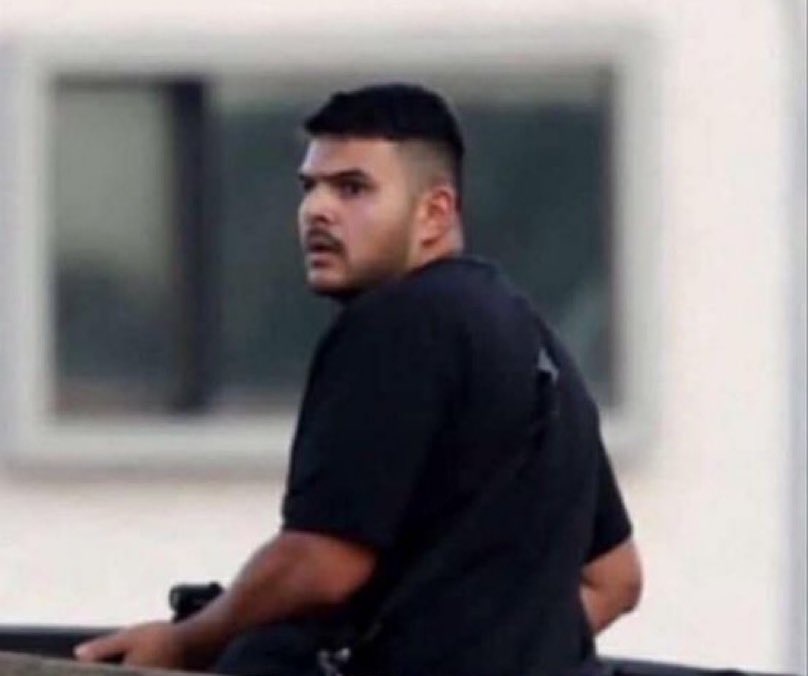
Police have identified Naveed Akram, 24, from the south-western Sydney suburb of Bonnyrigg, as one of the shooters. His home was raided overnight as counterterrorism officers searched for evidence, digital devices, and potential links to extremist networks.
Authorities have not yet confirmed whether Akram was the attacker who died during the incident or if he remains in custody. Investigators say the situation remains fluid, with forensic teams continuing to examine weapons and surveillance footage.
According to local media reports, Akram had been working as a bricklayer and had recently lost his job, a detail now being scrutinized as part of the broader investigation into possible radicalization or personal grievances.
Images circulating online suggest Akram had previously attended religious study programs, though officials caution against drawing conclusions while inquiries are ongoing.
Victims Identified as Tributes Pour In
As the nation struggled to absorb the scale of the tragedy, heartbreaking details about the victims began to emerge.
The first confirmed fatality was Rabbi Eli Schlanger, a 41-year-old father of five who had emigrated from the United Kingdom and was deeply involved in Sydney’s Jewish community. Friends and family described him as warm, energetic, and devoted to helping others.
“He was full of life,” said his cousin, Rabbi Zalman Lewis. “He believed deeply that spreading light was the answer to darkness. That’s how he lived.”
Another victim identified by relatives was Alex Kleytman, a Holocaust survivor who had attended the event with his wife, Larissa. She confirmed he was shot while standing beside her during the celebration.
“He came to celebrate Hanukkah, something we had done for many years,” she said tearfully outside the hospital. “It was always a joyful time for us.”
A child was also among the deceased, dying later at Sydney Children’s Hospital despite efforts by medical staff to save their life.
Scene Locked Down as Investigation Expands
Police cordoned off the entire beachfront area for hours as forensic teams combed the scene for shell casings, weapons, and other evidence. Helicopters circled overhead while bomb squads and counterterror units searched nearby structures as a precaution.
Residents were urged to avoid the area, while public transport services were temporarily suspended. Witnesses were asked to come forward with footage or information that could assist investigators.
Authorities have emphasized that there is no ongoing threat to the public, but security has been heightened at religious institutions and major public spaces across New South Wales.
Political and Community Response
Leaders from across Australia’s political spectrum condemned the attack in the strongest terms. Vigils were quickly organized in multiple cities, with thousands gathering to mourn the victims and show solidarity with the Jewish community.
Community leaders warned against allowing the violence to deepen divisions or fuel hatred, urging Australians to respond with unity and resolve.
“This was an attack not just on a community, but on our shared values,” one organizer said at a candlelight vigil in Sydney.
International leaders also expressed condolences, with messages of support arriving from governments across Europe, North America, and the Middle East.
Questions Remain About Warning Signs
As the investigation continues, attention has turned to whether warning signs were missed and how the attackers were able to carry out such a brazen assault in a heavily populated area.
Security experts note that public religious events remain particularly vulnerable targets, especially when held in open spaces without controlled entry points.
Officials have not yet disclosed whether the suspects were known to intelligence agencies prior to the attack, nor whether the event had any additional security measures in place at the time.
A Nation in Mourning
The Bondi Beach shooting marks one of the deadliest acts of mass violence in Australia in recent years and has reopened painful conversations about extremism, public safety, and the protection of minority communities.
As families prepare to bury their loved ones, investigators continue to work to establish the full scope of the attack, including the motivations behind it and whether others may have played a role.
Authorities have pledged transparency as the inquiry unfolds, while urging the public to rely on verified information and avoid speculation.
“This tragedy will be fully investigated,” Prime Minister Albanese said. “We owe that to the victims, their families, and to all Australians.”
The country now faces a long road of healing, as it grapples with the reality that even its most beloved public spaces are not immune from acts of terror.

Emily Johnson is a critically acclaimed essayist and novelist known for her thought-provoking works centered on feminism, women’s rights, and modern relationships. Born and raised in Portland, Oregon, Emily grew up with a deep love of books, often spending her afternoons at her local library. She went on to study literature and gender studies at UCLA, where she became deeply involved in activism and began publishing essays in campus journals. Her debut essay collection, Voices Unbound, struck a chord with readers nationwide for its fearless exploration of gender dynamics, identity, and the challenges faced by women in contemporary society. Emily later transitioned into fiction, writing novels that balance compelling storytelling with social commentary. Her protagonists are often strong, multidimensional women navigating love, ambition, and the struggles of everyday life, making her a favorite among readers who crave authentic, relatable narratives. Critics praise her ability to merge personal intimacy with universal themes. Off the page, Emily is an advocate for women in publishing, leading workshops that encourage young female writers to embrace their voices. She lives in Seattle with her partner and two rescue cats, where she continues to write, teach, and inspire a new generation of storytellers.