


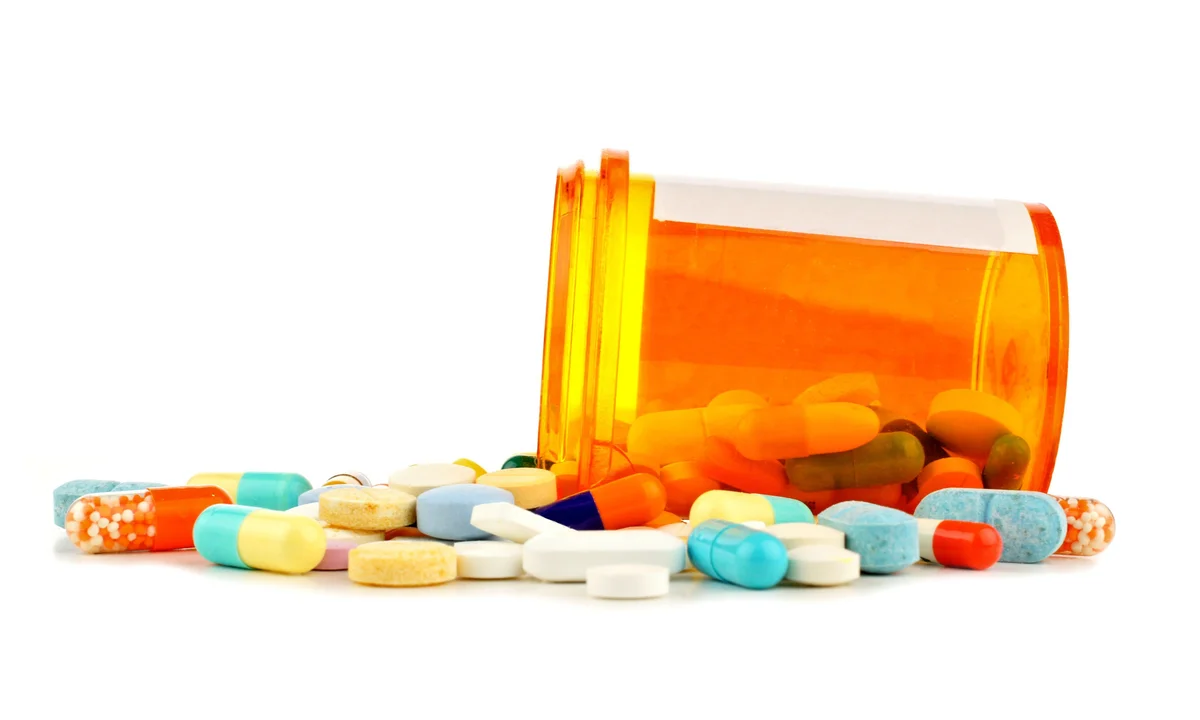
A massive recall has been issued across the United States after federal health officials confirmed that thousands of bottles of a widely prescribed blood pressure medication may have been contaminated during manufacturing. The move has triggered new concerns over the integrity of the pharmaceutical supply chain, especially as recalls involving heart and cholesterol drugs continue to mount this year.
The FDA announced the recall on Dec. 1, placing it into one of its official classifications and confirming that the affected medication was distributed nationwide. Although this specific recall is not believed to pose immediate life-threatening risks, officials stressed that cross-contamination of any prescription drug signals a serious breakdown in quality control that must be addressed immediately.
A Growing Pattern of Medication Recalls
Over the past several years, heart-related prescription drugs—including statins, beta blockers, and hypertension medications—have become some of the most frequently recalled pharmaceuticals in the United States. In 2025 alone, tens of thousands of units in these categories have been pulled from shelves due to contamination with foreign substances, chemical impurities, or problems tied to manufacturing equipment.
Many recalls originate from overseas facilities that supply American pharmaceutical companies with finished drugs or key components. Because these plants often produce multiple medications on the same equipment, even small procedural errors can lead to contamination. Regulators warn that the frequency of recalls may rise unless manufacturing standards improve and oversight expands.
The newly announced recall underscores those concerns.
What the FDA Found
According to the public report released by the agency, federal inspectors detected a foreign prescription substance inside certain bottles of the recalled blood pressure medication. The contamination was discovered only after additional testing of reserve samples, which revealed traces of another drug that had no business being present in the affected lots.
While the FDA emphasized that this contamination did not immediately endanger most patients, the agency determined that the issue violated federal manufacturing requirements and demanded a full recall of all affected units. Officials also stressed that any level of cross-contamination is unacceptable because it indicates procedural failure and represents a potential safety risk.
The recall affects more than 11,100 bottles, including multiple sizes distributed to pharmacies nationwide. Many patients may still have the medication in their homes, depending on prescription refill schedules and pharmacy supply timelines.
The Recall Classification and Its Meaning
The FDA designated the recall as Class III, the least severe category in its three-tier system. A Class III recall is used when a product violates manufacturing laws or standards but is unlikely to cause serious adverse health consequences.
Still, Class III recalls are not trivial. They often expose larger problems inside production facilities, including disorganized workflow, sloppy oversight, or poorly maintained equipment. Several recent Class III recalls were later followed by more serious enforcement actions against manufacturers, including import warnings and mandatory audits.
In this case, regulators noted that the foreign drug discovered in the contaminated lots belongs to a completely different class of medication, which raises questions about how the contamination occurred and how many batches may have been affected.
FDA Flags the Manufacturer for Additional Violations
The medication at the center of the recall was manufactured at a facility overseas that has already drawn scrutiny from U.S. regulators this year. Earlier in 2025, the FDA issued a warning letter to the same plant, criticizing its quality-control procedures and its failure to thoroughly investigate discrepancies in test results.
According to that letter, the factory’s “methods, facilities, or controls” did not meet federal standards for pharmaceutical production. Inspectors cited examples of incomplete investigations and insufficient documentation—both red flags in an industry where precision and consistency are critical.
The FDA’s updated notice did not say whether the previously identified issues contributed directly to the contamination that prompted the December recall. However, the timing suggests that the underlying quality-control problems may be more extensive than initially believed.
Officials expect the recall to continue until all affected inventory has been accounted for.
How Many People Take This Drug?
Before revealing the specific medication involved, it’s important to understand the scale of its use in the United States.
According to prescription data, well over a half-million patients rely on this particular drug each year, with nearly two million prescriptions filled in 2023 alone. The medication is commonly used as part of long-term treatment plans for high blood pressure, which affects nearly half of all American adults.
Because hypertension often requires lifetime management, many patients depend on consistent access to safe, high-quality medication. Any recall—even one categorized as low-severity—can disrupt treatment plans, create anxiety, and force patients to temporarily switch drugs, sometimes with different side-effect profiles.
With that context, the public learned that…
The Drug Involved Is a Combination Blood Pressure Medication
Midway through its announcement, the FDA confirmed that the recalled product is bisoprolol fumarate and hydrochlorothiazide, a combination medication that helps lower blood pressure by slowing the heart rate and reducing fluid retention.
The contaminated lots were found to contain traces of ezetimibe, a prescription drug that lowers cholesterol by blocking its absorption. Ezetimibe is not inherently dangerous to someone who takes it unintentionally, but it is not approved for use in combination with bisoprolol–hydrochlorothiazide, and the presence of any unlisted drug is considered a manufacturing failure.
Because the level of contamination was small, the FDA determined that the health risk to most patients remains low. Still, the agency emphasized that the situation must be taken seriously and corrected immediately to prevent more severe incidents.
Which Lots Are Recalled?
The recall covers the following lot numbers and package sizes:
-
2.5 mg / 6.25 mg tablets, 30-count bottles — NDC 68462-878-30
-
2.5 mg / 6.25 mg tablets, 100-count bottles — NDC 68462-878-01
-
2.5 mg / 6.25 mg tablets, 500-count bottles — NDC 68462-878-05
All recalled bottles were produced under lot number 17232401, with expiration dates of November 2025 and May 2026.
Patients who possess these bottles are urged to contact their pharmacy or physician for guidance on replacement medication.
Not the First Heart Medication Recall This Year
This incident is part of a much broader pattern in 2025:
-
Teva Pharmaceuticals recalled roughly 500,000 bottles of a hypertension medication due to chemical impurities linked to cancer.
-
A generic manufacturer recalled 140,000 bottles of atorvastatin—one of the most widely prescribed cholesterol drugs—after discovering contamination concerns.
-
Nearly 88,000 bottles of carvedilol, another blood pressure drug, were recalled due to the presence of potentially carcinogenic compounds.
These repeated failures have raised new questions about how thoroughly pharmaceutical manufacturing is being monitored, especially in foreign facilities that produce for the U.S. market.
What Patients Should Do Now
Health experts emphasize that patients should not stop taking their prescribed blood pressure medication without first consulting their doctor. Abruptly discontinuing drugs used to control hypertension can trigger dangerously high blood pressure, potentially leading to heart attacks or strokes.
Instead, patients should:
-
Check the label for the lot number.
-
Contact their pharmacy if their bottle matches the recalled batch.
-
Request a replacement medication or guidance on next steps.
Pharmacies and distributors have already begun removing affected units from shelves.
A Reminder of the Need for Stronger Safeguards
The recall reinforces the need for more thorough oversight of international pharmaceutical manufacturing, where many American prescriptions originate. Although regulators stress that most drugs remain safe, the recurring problems this year highlight how vulnerable the supply chain can be.
Until new safeguards are put in place, recalls of this nature will likely continue.

Emily Johnson is a critically acclaimed essayist and novelist known for her thought-provoking works centered on feminism, women’s rights, and modern relationships. Born and raised in Portland, Oregon, Emily grew up with a deep love of books, often spending her afternoons at her local library. She went on to study literature and gender studies at UCLA, where she became deeply involved in activism and began publishing essays in campus journals. Her debut essay collection, Voices Unbound, struck a chord with readers nationwide for its fearless exploration of gender dynamics, identity, and the challenges faced by women in contemporary society. Emily later transitioned into fiction, writing novels that balance compelling storytelling with social commentary. Her protagonists are often strong, multidimensional women navigating love, ambition, and the struggles of everyday life, making her a favorite among readers who crave authentic, relatable narratives. Critics praise her ability to merge personal intimacy with universal themes. Off the page, Emily is an advocate for women in publishing, leading workshops that encourage young female writers to embrace their voices. She lives in Seattle with her partner and two rescue cats, where she continues to write, teach, and inspire a new generation of storytellers.