

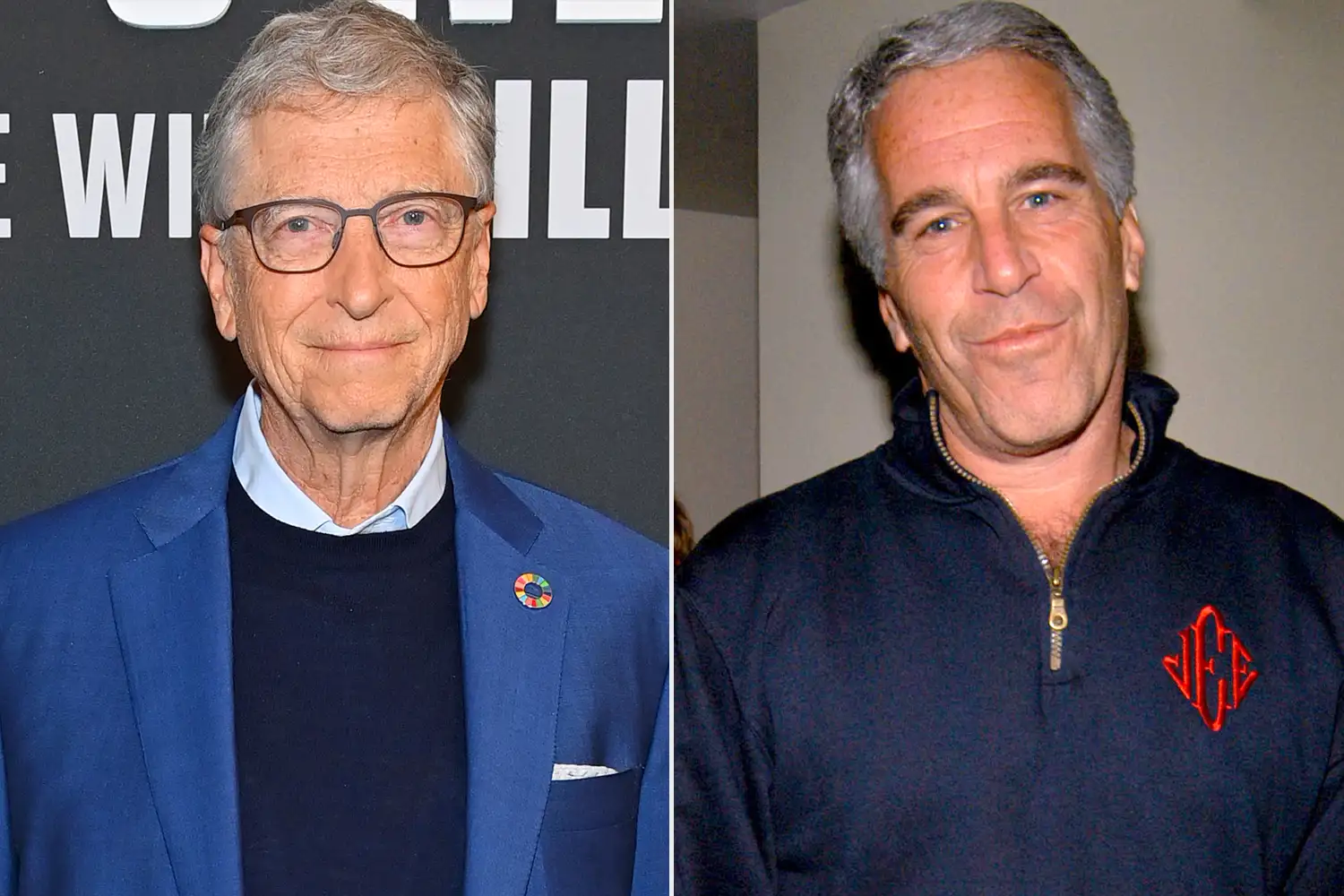
In a rare and highly scrutinized interview, tech pioneer and philanthropist Bill Gates addressed the controversy surrounding his past association with the late financier and convicted sex offender Jeffrey Epstein — a relationship that has resurfaced amid the release of previously sealed documents tied to Epstein’s extensive network. Gates publicly expressed deep regret for having met Epstein, describing the decision as a mistake and distancing himself from the more lurid allegations circulating in the newly released material.
A Highly Visible Reaction to Newly Released Documents
In early February 2026, Gates, 70, sat down with 9 News Australia, offering what he termed a “first and candid” public response to his inclusion in the latest tranche of documents — part of more than three million pages released from the U.S. Department of Justice’s files related to Epstein.
While the files include numerous references to prominent individuals from politics, technology, and business, Gates made clear in the interview that his interactions with Epstein were limited and, in hindsight, ill‑advised. “Every minute I spent with him, I regret,” Gates said, adding that he was “foolish” to spend time with Epstein and apologizing for those decisions.
According to Gates, their connection began in 2011 and lasted through 2014, during which time they had several dinners and discussions — but Gates stressed that these meetings focused on potential philanthropic collaborations, particularly around global health fundraising. He said he believed Epstein’s wide network of wealthy contacts might help channel funds toward initiatives supported by the Gates Foundation.
Denials and Context Around the Allegations
The interview was not just a mea culpa but also an opportunity for Gates to refute specific allegations that have circulated in the newly released documents. Some of these materials include draft email messages, apparently authored by Epstein himself and saved in Epstein’s account, that suggested inappropriate personal conduct between Gates and women connected to Epstein. Gates firmly denied these claims.
“Apparently, Jeffrey wrote an email to himself. That email was never sent,” Gates told 9 News Australia. “The email is false. I don’t know what his thinking was there. Was he trying to attack me in some way?”
Gates also explicitly denied ever visiting Epstein’s infamous private island in the Caribbean — a location often referenced in broader Epstein‑related controversies — and denied meeting any women through Epstein. “I never went to the island, I never met any women,” he said.
His comments align with previous reporting and clarification: being named in the files does not by itself imply criminal conduct or wrongdoing, and Gates maintains that his interactions with Epstein were limited and strictly connected to discussions about potential philanthropy.
Claims, Denials, and “False” Emails
Part of the renewed scrutiny stems from the content of draft emails from 2013 found in Epstein’s records. These emails, which Epstein reportedly wrote to himself, contained allegations that Gates had contracted a sexually transmitted disease through encounters arranged by Epstein and sought to involve his then‑wife, Melinda French Gates, in handling the situation — allegations Gates has squarely rejected.
“The email was false,” Gates told reporters, indicating that he believes Epstein may have concocted the messages out of frustration or malice after their association ended.
A spokesperson for Gates previously characterized the claims as “absolutely absurd and completely false,” saying the documents reflect Epstein’s own frustration over not having a lasting relationship with Gates and, in some cases, attempts to entrap or defame him rather than evidence of misconduct.
Gates’ Regret, and the Limits of the Relationship
Throughout the interview, Gates returned to a central theme: that his time with Epstein was misguided and, ultimately, fruitless in terms of advancing philanthropic goals. “The focus was always [on]… he knew a lot of very rich people, and he was saying he could get them to give money to global health. In retrospect, that was a dead end,” Gates said.
His use of the word “foolish” to describe the engagement has been widely noted in international news coverage, with Gates repeatedly emphasizing that he now regrets having ever associated with Epstein on any level.
Ex‑Wife’s Perspective and Broader Reactions
Gates’ comments come after his ex‑wife, Melinda French Gates, also spoke publicly about the matter. In an interview with NPR, Melinda Gates said details in the files brought back “very, very painful times” from their marriage and reiterated that questions about the relationship with Epstein should be answered by those directly involved — not by outside parties.
Melinda Gates termed the broader allegations within the files “beyond heartbreaking,” especially in the context of Epstein’s documented abuses. While she affirmed she had moved on from that chapter of her life, she expressed hope for justice for Epstein’s victims.
What This Means and What It Doesn’t
The release of the Epstein files has reignited public discussion about the circles in which Epstein operated, the individuals he associated with, and the extent to which these associations reflected judgment or influence. In addition to Gates, other high‑profile figures, including business leaders and politicians, have been referenced in the documents — with varied responses and denials from those named.
It’s important to note that being mentioned in the files does not equate to guilt of any crime or misconduct. Gates has not been accused of any criminal activity in connection with Epstein’s offenses, and his public statements emphasize his effort to clarify the nature of his interactions and to distance himself from Epstein’s documented crimes.
Gates’ regret appears rooted in the realization that associating with Epstein — even for a purpose he considered philanthropic — was a serious misjudgment that can cast a long shadow, especially as more details come to light.
Why It Matters
The episode underscores the enduring impact of Epstein’s network and the challenges public figures face when past connections — however limited — are reevaluated in new contexts. As public interest in the Epstein files continues, Gates’ comments provide a high‑profile example of how individuals can publicly respond, clarify their positions, and articulate regret for choices that, in retrospect, caused controversy or confusion.
Though his remarks focus on distancing and regret, they also highlight the broader conversation about accountability, reputation, and transparency among influential figures — especially when past associations intersect with the legacy of someone as notorious as Jeffrey Epstein.

Emily Johnson is a critically acclaimed essayist and novelist known for her thought-provoking works centered on feminism, women’s rights, and modern relationships. Born and raised in Portland, Oregon, Emily grew up with a deep love of books, often spending her afternoons at her local library. She went on to study literature and gender studies at UCLA, where she became deeply involved in activism and began publishing essays in campus journals. Her debut essay collection, Voices Unbound, struck a chord with readers nationwide for its fearless exploration of gender dynamics, identity, and the challenges faced by women in contemporary society. Emily later transitioned into fiction, writing novels that balance compelling storytelling with social commentary. Her protagonists are often strong, multidimensional women navigating love, ambition, and the struggles of everyday life, making her a favorite among readers who crave authentic, relatable narratives. Critics praise her ability to merge personal intimacy with universal themes. Off the page, Emily is an advocate for women in publishing, leading workshops that encourage young female writers to embrace their voices. She lives in Seattle with her partner and two rescue cats, where she continues to write, teach, and inspire a new generation of storytellers.