In a development that has captured national attention and stirred months of political debate, two of the most prominent political figures of the last half‑century have agreed to testify before the U.S. House of Representatives in connection with the congressional investigation into disgraced financier Jeffrey Epstein. The decision follows intense negotiations, procedural threats, and a rare use of congressional authority that could set new precedents for how former senior officials are held accountable by lawmakers.
For much of the past year, members of the House Oversight Committee, led by Rep. James Comer (R‑Ky.), have been pushing for key figures linked with Epstein to voluntarily provide testimony or appear under oath. The effort is part of a broader inquiry into how Epstein operated for years with limited interference, despite reports and warnings about his criminal conduct, and how individuals in positions of influence may have intersected with him over time.
The focus on high‑profile testimony reflects continued congressional interest in uncovering more about Epstein’s network, the handling of information connected to accusations against him, and the broader implications of how powerful people found themselves associated with Epstein over decades. While Epstein himself died in federal custody in 2019 in what authorities ruled a suicide, the investigations have extended into many areas, including law enforcement decisions, institutional responses, and the actions of people once close to him.
At the heart of the recent political drama was a standoff over subpoenas issued by the Oversight Committee. House Republicans, with backing from some Democrats, had advanced resolutions to hold certain individuals in contempt of Congress when they declined to comply with demands to appear in depositions. It was in that context that the committee expanded its efforts to include two of the most recognizable names in modern American politics.
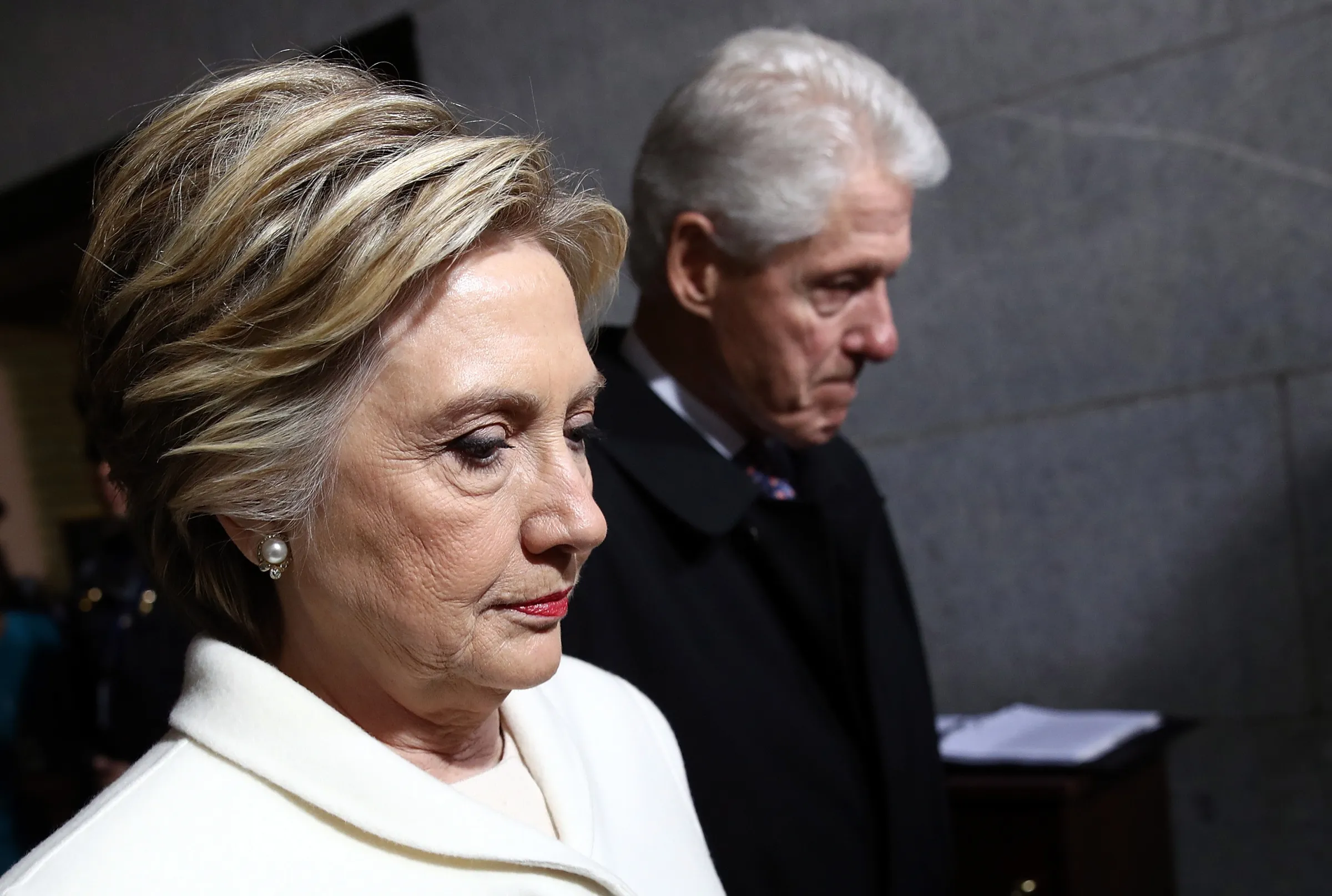
Widely covered by major media outlets, the announcement this week revealed that both Bill Clinton and Hillary Clinton have finalized agreements to testify before the committee — a decision that comes after months of resisting earlier requests and engaging in legal and procedural disagreement with committee members.
What makes these forthcoming depositions particularly noteworthy is not just the stature of the individuals involved, but the constitutional and political implications of such testimony. It will mark the first time that a former U.S. president has been compelled to appear before Congress under threat of contempt for refusing subpoenas related to a legislative investigation.
The agreement negotiated between the Clintons and congressional leaders followed a lengthy period of negotiation and protest. Initially, the couple’s legal team argued that the subpoenas were invalid and legally unenforceable, describing the committee’s actions as politically motivated. They offered alternative forms of cooperation — including limited written statements and interviews — but resisted appearing in person under oath.
In response, House Republicans pushed forward with procedural moves that could have resulted in formal contempt of Congress charges. Such charges can include fines or even potential criminal prosecution if upheld through further legal processes. Facing that prospect, and with internal political pressure mounting, the Clintons eventually agreed to terms that involve providing testimony in closed‑door, transcribed, and recorded depositions.
Under the arrangements announced, Hillary Clinton is scheduled to testify on February 26, with Bill Clinton expected to appear on February 27 before the House Oversight Committee. Both sessions will be conducted behind closed doors but will include a full transcript, and potentially video recordings, that could be released or used in future proceedings.
The decision to comply with the committee’s demands came after long debate over congressional authority and separation of powers. Historically, former presidents have not been compelled to testify before Congress, and legal questions about executive privilege and executive branch separation have loomed over comparable situations. Advocates for congressional authority argue that legislative inquiries have broad latitude, particularly when investigating systemic failures or alleged wrongdoing with public consequences. Critics, including some legal scholars and political allies of the Clintons, raised concerns about setting a precedent that could be used against former officials in ways that could chill legitimate executive branch discussions.
Despite this backdrop, committee leaders have framed the testimony as an essential component of a broader effort to deliver transparency and accountability. Representative Comer stated his objective was not to cast aspersions without evidence, but to explore how Epstein was able to operate for years within elite circles, and whether any lapses in oversight or decision‑making played a role in that dynamic.
Both Clintons have denied any knowledge of wrongdoing on their part. Bill Clinton has acknowledged a relationship with Epstein in the past, including flights on Epstein’s private aircraft for foundation‑related travel, but has denied having any awareness of Epstein’s crimes or involvement in them. Hillary Clinton’s involvement, according to her representatives, was more limited and mostly peripheral in terms of any substantive connection to Epstein or his associates.
Yet public interest in their testimony remains high — not because accusations of criminal behavior have been made against them, but because they are part of a broader set of questions about how Epstein and his network were able to cultivate connections with influential figures and what, if anything, prominent individuals understood at critical moments. Lawmakers from both parties have emphasized that examining relationships and decision‑making processes is essential to understanding how institutional and societal failures can allow abuses to continue unchecked.
Opposition leaders and some commentators have criticized the Oversight Committee’s handling of the investigation, arguing that it too often prioritizes political spectacle over substantive inquiry. Some Democrats in Congress objected to advancing contempt proceedings and have sought to refocus attention on delays and incomplete releases of key investigative files by executive branch agencies. These debates highlight broader partisan tensions that tend to surface in high‑profile legislative actions involving figures from both major parties.
As the scheduled testimony dates approach, lawmakers, legal experts, and commentators are watching closely. The proceedings could influence how future congressional investigations engage with former senior officials, particularly in cases where historical relationships intersect with matters of public concern.
In addition to Bill and Hillary Clinton, the House Oversight Committee has also sought testimony from other individuals named in connection with Epstein, as part of a sweeping effort to understand how a convicted sex offender managed to evade sustained prosecution and what networks enabled his prolonged influence.
While the testimony itself will be conducted privately, the transcripts and recordings are expected to become important records in the ongoing inquiry. Lawmakers may also use these materials to inform legislative proposals aimed at strengthening oversight mechanisms, improving institutional coordination, and preventing similar situations from arising in the future.
For the American public, the events of the past several months represent a rare intersection of politics, law, and accountability. Few investigations have placed former presidents and secretaries of state in the spotlight in quite this way, and the implications extend well beyond the specifics of the Epstein case. As the scheduled hearings near, the nation looks on to see how these testimonies will shape the narrative about institutional responsibility, elite influence, and the limits of power in modern governance.

Emily Johnson is a critically acclaimed essayist and novelist known for her thought-provoking works centered on feminism, women’s rights, and modern relationships. Born and raised in Portland, Oregon, Emily grew up with a deep love of books, often spending her afternoons at her local library. She went on to study literature and gender studies at UCLA, where she became deeply involved in activism and began publishing essays in campus journals. Her debut essay collection, Voices Unbound, struck a chord with readers nationwide for its fearless exploration of gender dynamics, identity, and the challenges faced by women in contemporary society. Emily later transitioned into fiction, writing novels that balance compelling storytelling with social commentary. Her protagonists are often strong, multidimensional women navigating love, ambition, and the struggles of everyday life, making her a favorite among readers who crave authentic, relatable narratives. Critics praise her ability to merge personal intimacy with universal themes. Off the page, Emily is an advocate for women in publishing, leading workshops that encourage young female writers to embrace their voices. She lives in Seattle with her partner and two rescue cats, where she continues to write, teach, and inspire a new generation of storytellers.