An iconic figure in California’s social scene and television world has passed away at the age of 96, leaving behind a legacy of glamour, media influence, and humanitarian work. Her son announced that she died on December 21 at the De Anza House in Palm Desert, an elite elder care facility where she spent her final months, surrounded by loved ones.
“My mom stopped eating a week ago and stopped drinking a few days later,” he wrote on Facebook. “I flew out from New York yesterday and spent the night at her side. She passed surrounded by love, having been able to see her two grandchildren, Owen and Mira, last month.”
Born in Texas in 1928 and raised in Oklahoma as one of eight children of a preacher during the Great Depression, she overcame a childhood marked by poverty and hardship. Several early marriages failed before her life took a pivotal turn in 1960, when she moved to California with just $400 in her pocket, determined to build a new life.
At first, she worked at the upscale I. Magnin department store in Union Square, quickly capturing attention for her charisma and style. Her presence in San Francisco’s cocktail and social scenes during the 1960s and 1970s became legendary. Lavish parties, elegant luncheons, and high-society gatherings brought together some of the biggest names of the era, including Frank Sinatra, Danielle Steel, and Andy Warhol.
It was during this period that Pat Montandon became a fixture of Bay Area society. Dubbed the “Queen of the San Francisco Jet Set” by local media, she embodied the glamour and sophistication of the city’s elite social circles. Her white mansion at 1000 Lombard Street, situated on the famously crooked street, became a hub for admirers across California, receiving hundreds of fan letters daily.
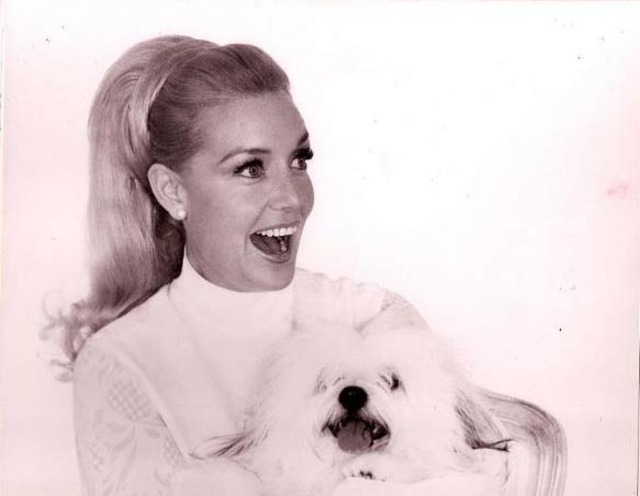
Despite her public glamour, her life was not without drama. Her residence on Lombard Street was the scene of a number of misfortunes, including thefts, fires, and other personal incidents. Nonetheless, she remained a beloved and admired figure, known for her vivacious personality and resilience.
Montandon also ventured into media and literature. In the 1960s, she hosted several television shows, including The Prize Movie and The Pat Montandon Show on KGO-TV, where she reviewed films and discussed celebrity culture. She wrote for the San Francisco Examiner as a gossip columnist and authored the bestselling novel How to Be a Party Girl, as well as her memoir Oh the Hell of It All, which chronicled her high-society life and adventures in style and fame.
Her personal life was colorful and well-documented in the press. Montandon married four times, with her fourth marriage to businessman Al Wilsey in 1969 producing her only child, Sean, in 1970. Their marriage ended in divorce in 1980 following Wilsey’s affair with her best friend. Despite the ups and downs of her romantic life, she remained a figure of public fascination and admiration for decades.
Montandon’s influence extended beyond socialite circles. She devoted her later years to humanitarian causes, founding Children as Teachers for Peace and leading international delegations of children to meet world leaders, including the Pope and Mother Teresa. Over her lifetime, she made 37 international trips, earning three nominations for the Nobel Peace Prize in recognition of her work promoting peace and education. She also championed climate action, gun control, and women’s rights, establishing The Name Choice Center in 1970 to advocate for women’s legal right to retain their surnames after marriage.
Her philanthropic work included the Napa Valley Wine Auction, which she launched in 1979 in collaboration with local vintners, donating a portion of proceeds to regional hospitals. Montandon’s impact on society was both broad and enduring, spanning cultural, media, and humanitarian spheres.
Montandon’s career in television, media, and literature reflected her multifaceted talent and drive. Her talk shows and celebrity interviews cemented her status as a prominent media personality, while her writing captured the essence of high society in San Francisco during a transformative era.
In reflecting on her life, Montandon often spoke fondly of San Francisco in the 1960s. She described the city as “a fairyland” filled with magical fog, scenic hills, and a culture that celebrated elegance. “I loved the hills, even though I had to walk a lot, which was very hard for me because I always wore high heels,” she once said. Her love for fashion and style became emblematic of her public image, and she remained a trendsetter in social circles for decades.
Throughout her career, Montandon’s name became synonymous with San Francisco’s cocktail culture, celebrity events, and high-society charm. She hosted notable luncheons throughout the 1970s, drawing famous friends such as Sinatra, Steel, and the Getty family. Her influence on media, literature, and philanthropy ensured that her legacy extended far beyond the parties and glamour for which she was initially celebrated.
Montandon’s family recalled her as a woman of remarkable courage and insight in her final months. During a Thanksgiving gathering shortly before her passing, she encouraged loved ones to live boldly: “I want you to carry on as if you weren’t afraid,” she told them. Her son described these words as a guiding principle that would continue to inspire the family.
Pat Montandon’s life was a testament to resilience, ambition, and the ability to leave a lasting impact on multiple spheres of society. From humble beginnings in Oklahoma to her emergence as a San Francisco socialite, television personality, author, and peace ambassador, she built a legacy defined by elegance, charm, and meaningful contributions to humanitarian causes.
She is survived by her son, Sean Wilsey, and two grandchildren, Owen and Mira. Montandon’s enduring influence on San Francisco society, television, literature, and philanthropy ensures that her name will be remembered for generations to come.

Emily Johnson is a critically acclaimed essayist and novelist known for her thought-provoking works centered on feminism, women’s rights, and modern relationships. Born and raised in Portland, Oregon, Emily grew up with a deep love of books, often spending her afternoons at her local library. She went on to study literature and gender studies at UCLA, where she became deeply involved in activism and began publishing essays in campus journals. Her debut essay collection, Voices Unbound, struck a chord with readers nationwide for its fearless exploration of gender dynamics, identity, and the challenges faced by women in contemporary society. Emily later transitioned into fiction, writing novels that balance compelling storytelling with social commentary. Her protagonists are often strong, multidimensional women navigating love, ambition, and the struggles of everyday life, making her a favorite among readers who crave authentic, relatable narratives. Critics praise her ability to merge personal intimacy with universal themes. Off the page, Emily is an advocate for women in publishing, leading workshops that encourage young female writers to embrace their voices. She lives in Seattle with her partner and two rescue cats, where she continues to write, teach, and inspire a new generation of storytellers.