The entertainment industry is reeling after the sudden death of a widely respected television and film actor who passed away in Los Angeles at the age of 46. The news has prompted an outpouring of grief from colleagues, fans, and mental health advocates, many of whom have praised his talent, vulnerability, and lasting impact on modern television.
According to records from the Los Angeles County Medical Examiner, the actor died on Friday. Authorities confirmed the death was ruled a suicide. The location of death was listed as a shed, and officials noted that the body was ready for release. No further details were provided.
He is survived by his wife and their two children. In the days following the tragedy, his wife updated her social media profile to include a fundraiser benefiting the National Alliance on Mental Illness (NAMI), signaling a desire to honor his memory by supporting mental health awareness and resources for others in crisis.
The loss has sent shockwaves through Hollywood, particularly among those who worked alongside him on gritty, character-driven projects that defined a generation of prestige television. Known for his intense performances and emotionally raw portrayals, the actor built a career around complex, often troubled characters that resonated deeply with audiences.
His most iconic role came in one of the most acclaimed television series of all time. Midway through the article, the actor is identified as James Ransone, best known for his portrayal of Ziggy Sobotka on HBO’s landmark crime drama The Wire.
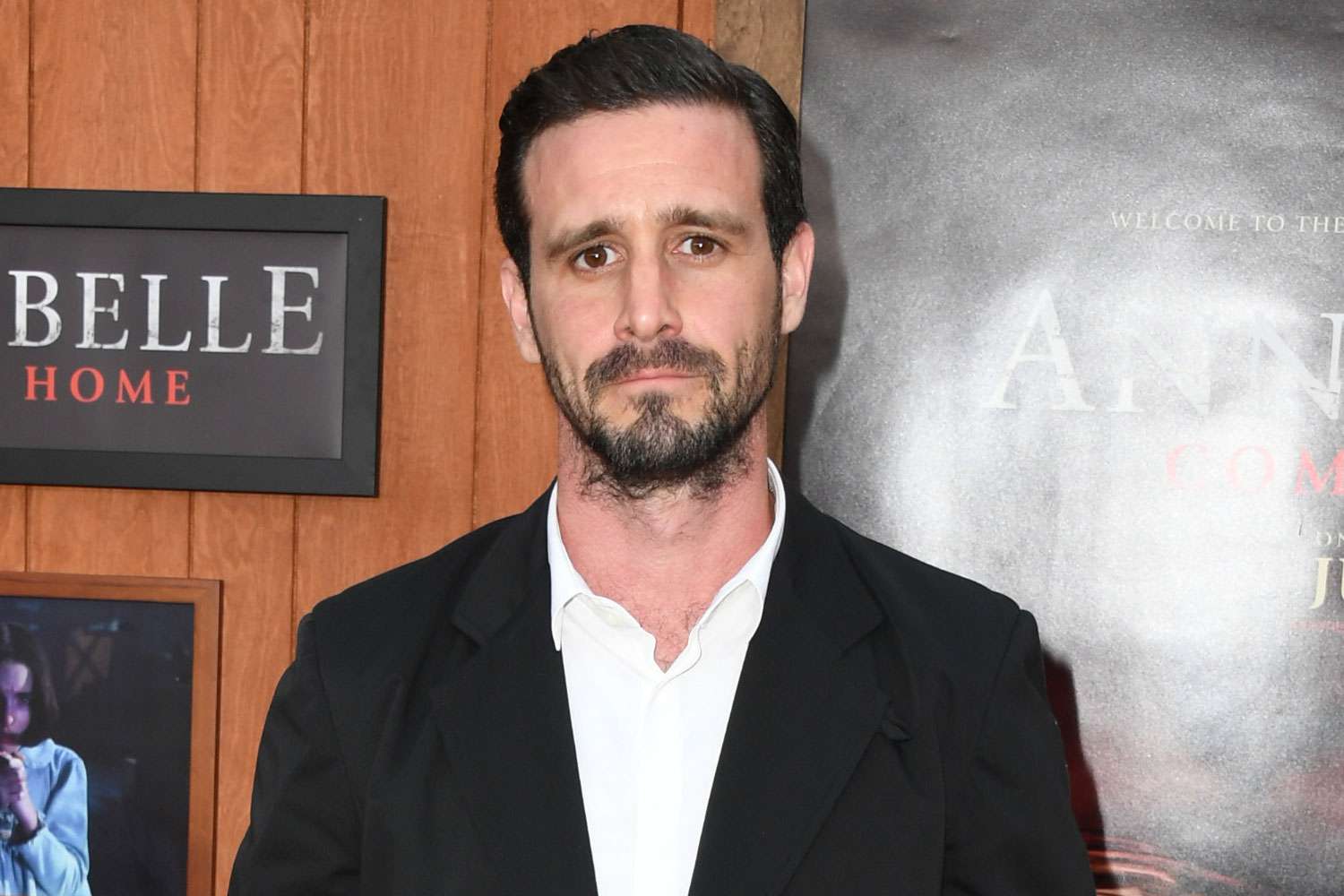
Ransone appeared in the show’s second season, which aired in 2003, playing the volatile and tragic son of dockworkers’ union leader Frank Sobotka. His performance as Ziggy — reckless, insecure, and desperate for respect — was widely praised for its emotional depth and realism. Though his arc lasted just one season, the character remains one of the show’s most memorable and heartbreaking figures.
The Wire, which ran from 2002 to 2008, is frequently cited as one of the greatest television series ever made. Its ensemble cast included Dominic West, Michael Kenneth Williams, Idris Elba, Lance Reddick, Wendell Pierce, Wood Harris, John Doman, Frankie Faison, and Lawrence Gilliard Jr. Ransone’s work earned him lasting recognition among fans of the series and solidified his reputation as a serious dramatic actor.
Following his breakout role, Ransone became a familiar face across HBO productions. He appeared in Generation Kill, the critically acclaimed miniseries chronicling the early stages of the Iraq War, and later in Treme, the New Orleans–set drama exploring life after Hurricane Katrina. He also had a role on Amazon’s police procedural Bosch, continuing his association with gritty, realistic storytelling.
In addition to his television work, Ransone maintained an active film career spanning more than two decades. His credits included a mix of independent films and mainstream releases, often favoring darker or psychologically complex material. He appeared in horror films such as Sinister and Sinister 2, as well as Prom Night, It Chapter Two, and The Black Phone. He was also slated to appear in the upcoming sequel Black Phone 2, expected to be released in 2025.
Colleagues frequently described him as deeply committed to his craft, unafraid to explore uncomfortable emotional territory. Directors and co-stars have noted that he brought an uncommon authenticity to his roles, often drawing from lived experience to inform his performances.
In recent years, Ransone spoke openly about personal struggles that shaped both his life and career. In 2021, he revealed that he was a survivor of sexual abuse, a disclosure that was met with widespread support from fans and advocacy groups. He had also been candid about his long battle with addiction.
In a 2016 interview, Ransone shared that he became sober at the age of 27 after years of heroin use. He described early fears about responsibility and success, admitting that he once doubted his ability to handle major roles while maintaining sobriety. Those close to him said his honesty helped others feel less alone in their own struggles.
Despite ongoing challenges, Ransone continued working steadily and remained passionate about acting. His final television appearance aired earlier this year in the second season of Poker Face, marking the end of a career defined by fearless performances and emotional intensity.
News of his death has sparked renewed conversations about mental health in the entertainment industry, where pressures, instability, and unresolved trauma often intersect. Advocacy organizations have emphasized the importance of accessible support systems and early intervention, particularly for those in high-stress creative professions.
Fans across social media have shared tributes, recalling scenes that moved them and expressing gratitude for the honesty he brought to his work. Many described how his portrayals helped them better understand vulnerability, masculinity, and pain.
As the industry mourns, his legacy endures through the characters he brought to life — flawed, human, and unforgettable. His passing serves as a stark reminder of the silent battles many face and the critical importance of compassion, connection, and mental health support.
If you or someone you know is struggling, help is available. In the United States, support can be reached by calling or texting 988, or through online chat at 988lifeline.org.

Emily Johnson is a critically acclaimed essayist and novelist known for her thought-provoking works centered on feminism, women’s rights, and modern relationships. Born and raised in Portland, Oregon, Emily grew up with a deep love of books, often spending her afternoons at her local library. She went on to study literature and gender studies at UCLA, where she became deeply involved in activism and began publishing essays in campus journals. Her debut essay collection, Voices Unbound, struck a chord with readers nationwide for its fearless exploration of gender dynamics, identity, and the challenges faced by women in contemporary society. Emily later transitioned into fiction, writing novels that balance compelling storytelling with social commentary. Her protagonists are often strong, multidimensional women navigating love, ambition, and the struggles of everyday life, making her a favorite among readers who crave authentic, relatable narratives. Critics praise her ability to merge personal intimacy with universal themes. Off the page, Emily is an advocate for women in publishing, leading workshops that encourage young female writers to embrace their voices. She lives in Seattle with her partner and two rescue cats, where she continues to write, teach, and inspire a new generation of storytellers.