It’s crunch time for one of America’s most recognizable Tex-Mex chains — and not because of the taco shells.
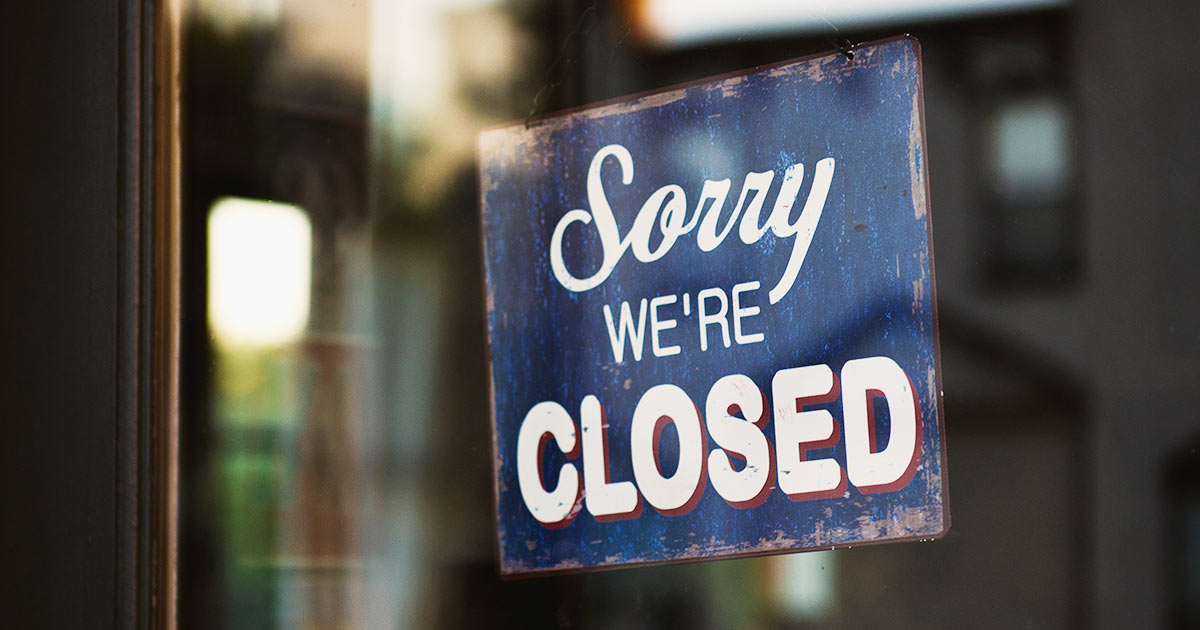
Torchy’s Tacos, the once-booming fast-casual brand known for inventive taco creations and a laid-back Austin vibe, is entering a period of contraction after closing multiple restaurants and preparing to shutter more locations by the end of February 2026.
The company has already closed six locations over the past year and is now expected to close as many as seven additional restaurants in the coming weeks. The move reflects mounting pressure across the fast-casual dining sector, where rising costs, shifting consumer preferences, and fierce competition are forcing brands to rethink their footprints.
From Austin Food Trailer to National Brand
Torchy’s story began in 2006 with a modest food trailer in Austin, Texas — just a red Vespa, a grill, and founder Mike Rypka’s vision of reimagining Tex-Mex staples.
“I’ve always had a passion for food, and I knew that when I had my own place, we’d serve the food people deserve,” Rypka said in past remarks. “Made with fresh ingredients, full of curated flavors, we pushed the boundaries of what people thought a taco could be.”
From those scrappy beginnings, Torchy’s rapidly expanded across the United States, building a reputation for bold menu experimentation and playful branding — including its recognizable devil mascot and rotating monthly taco specials.
At its peak, the chain grew to more than 100 locations nationwide. Even after the current wave of closures, industry analysts estimate Torchy’s will retain roughly 120 locations across 16 states, including Florida, Arizona, Colorado, and Virginia.
Strategic Closures and Refocusing Efforts
Company leadership has framed the closures not as a collapse but as a recalibration.
“We’re confident these moves will put us in the strongest position for sustainable growth moving forward,” Torchy’s said in a statement to Restaurant Business.
According to the company, the closures are part of a broader strategy to focus on higher-performing markets, streamline operations, and improve customer experience.
The chain has simultaneously doubled down on marketing and product development. Its social media presence remains highly active, posting daily food content and promoting new limited-time menu items like February’s “The Independent,” a vegetarian taco featuring fried portobello mushroom strips, roasted corn, escabeche carrots, cotija cheese, and ancho aioli.
Mixed Customer Reaction
Despite Torchy’s loyal fanbase, the news of closures has drawn mixed reactions from customers — especially in cities where the brand had built a strong following.
Online forums show a divided audience. Some longtime customers expressed disappointment, saying the chain had removed favorite menu items and lost its original appeal. Others were more blunt, criticizing the food quality and arguing that local taco trucks and independent Mexican restaurants offer better options.
The debate underscores a growing challenge for national fast-casual chains: competing against both premium local eateries and low-cost alternatives while maintaining brand identity.
A Wider Industry Downturn
Torchy’s downsizing is part of a broader contraction across the fast-casual and casual dining space.
Multiple major restaurant brands are scaling back operations:
-
Bahama Breeze has shuttered all remaining locations.
-
Noodles & Company plans to close dozens of stores in 2026.
-
Joe’s Crab Shack has shrunk dramatically from around 150 locations to just a handful.
-
Pizza Hut continues to close hundreds of underperforming restaurants.
-
Longstanding chains like Denny’s, TGI Fridays, and Applebee’s have also struggled with declining foot traffic.
The trend reflects structural changes in how Americans eat. Consumers are increasingly turning to delivery apps, cooking at home, or choosing fast, affordable grab-and-go options over traditional dine-in experiences.
At the same time, inflation, labor shortages, and rising food costs have squeezed restaurant profit margins, forcing companies to make difficult decisions about which locations remain viable.
The Future of Torchy’s
For Torchy’s, the coming months will be critical.
The brand still maintains strong recognition, a distinctive menu, and a passionate core following. Its continued investment in product innovation and digital engagement suggests it is not retreating entirely, but rather repositioning for a leaner, more focused future.
Whether that strategy succeeds will depend on how well the company can balance expansion ambitions with operational efficiency — and whether it can reconnect with customers who feel the brand has drifted from its original appeal.
For now, Torchy’s remains a recognizable name in American Tex-Mex dining — but like many of its fast-casual peers, it is navigating a rapidly changing industry where even once-dominant chains are no longer guaranteed stability.
As closures continue and competition intensifies, the fate of Torchy’s Tacos may ultimately serve as a case study in how modern restaurant brands adapt — or struggle — in an evolving food landscape.

Emily Johnson is a critically acclaimed essayist and novelist known for her thought-provoking works centered on feminism, women’s rights, and modern relationships. Born and raised in Portland, Oregon, Emily grew up with a deep love of books, often spending her afternoons at her local library. She went on to study literature and gender studies at UCLA, where she became deeply involved in activism and began publishing essays in campus journals. Her debut essay collection, Voices Unbound, struck a chord with readers nationwide for its fearless exploration of gender dynamics, identity, and the challenges faced by women in contemporary society. Emily later transitioned into fiction, writing novels that balance compelling storytelling with social commentary. Her protagonists are often strong, multidimensional women navigating love, ambition, and the struggles of everyday life, making her a favorite among readers who crave authentic, relatable narratives. Critics praise her ability to merge personal intimacy with universal themes. Off the page, Emily is an advocate for women in publishing, leading workshops that encourage young female writers to embrace their voices. She lives in Seattle with her partner and two rescue cats, where she continues to write, teach, and inspire a new generation of storytellers.