One of the most influential architects of modern salsa music — a trailblazer who helped define the sound of a generation and shape the cultural identity of Latino communities in the United States — has died at the age of 75.
His family announced that he passed away peacefully on Saturday, surrounded by loved ones. In a heartfelt statement, relatives said they were mourning his loss while celebrating the enduring impact of his music.
“While we grieve his absence, we also rejoice in the timeless gift of his music and the cherished memories he created that will live on forever,” the statement read. “Our family is deeply grateful for your prayers and support during this time of mourning.”
The family requested privacy as they navigate their grief. No cause of death was disclosed.
In recent weeks, members of the Puerto Rican artistic community had publicly asked for prayers as reports emerged that the legendary musician was receiving medical treatment for respiratory complications. Concern had been growing among fans and fellow artists, many of whom credited him with redefining salsa and elevating it to global prominence.
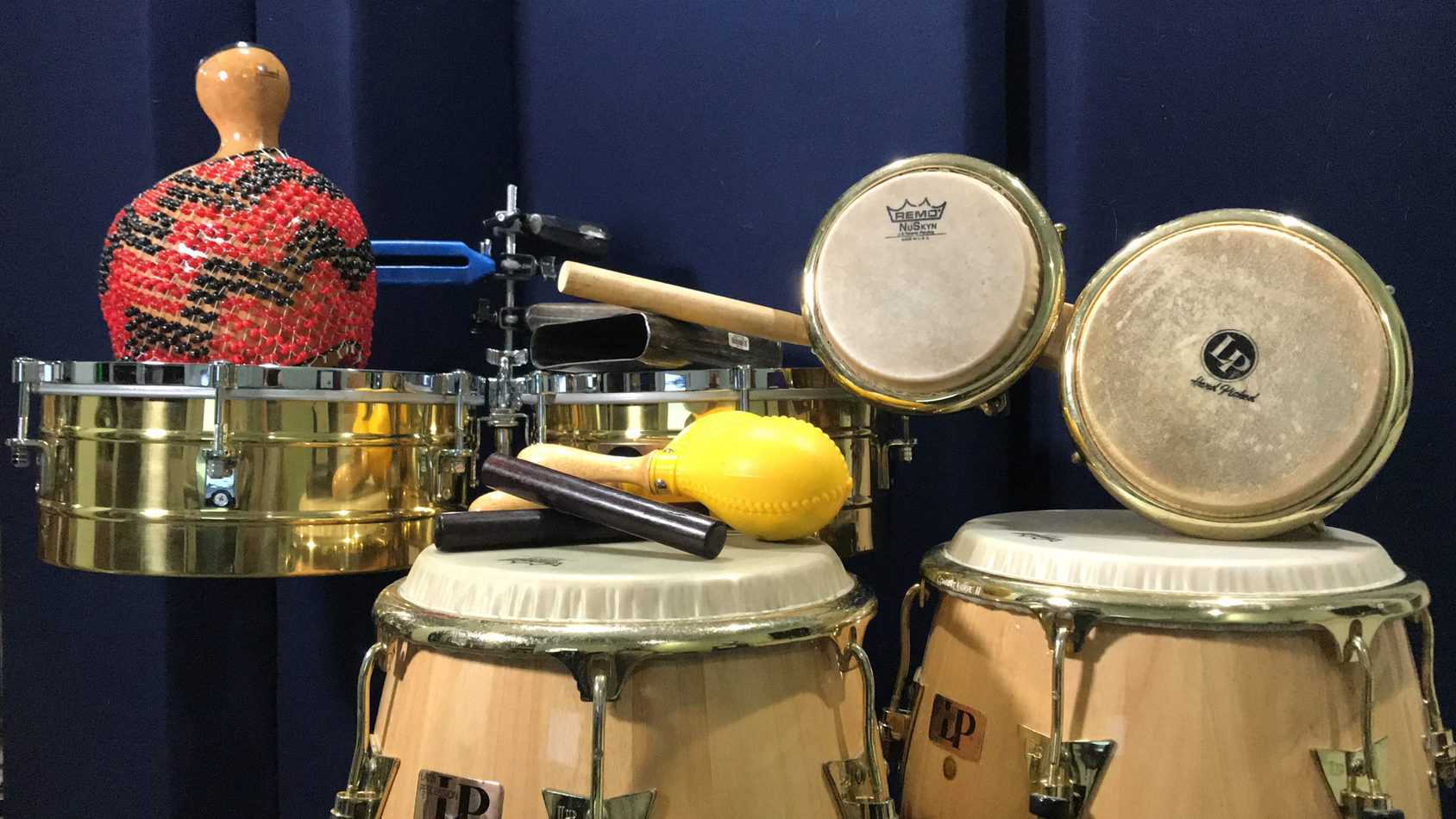
For decades, he stood at the forefront of a movement that blended Afro-Caribbean rhythms with the raw energy of New York City streets — a fusion that became known as the Nuyorican salsa sound. His work not only transformed Latin music but also provided a powerful cultural voice for second-generation Puerto Ricans growing up in the United States.
Only midway through recounting his remarkable life does it feel fitting to name the man whose influence reverberated across continents: Willie Colón.
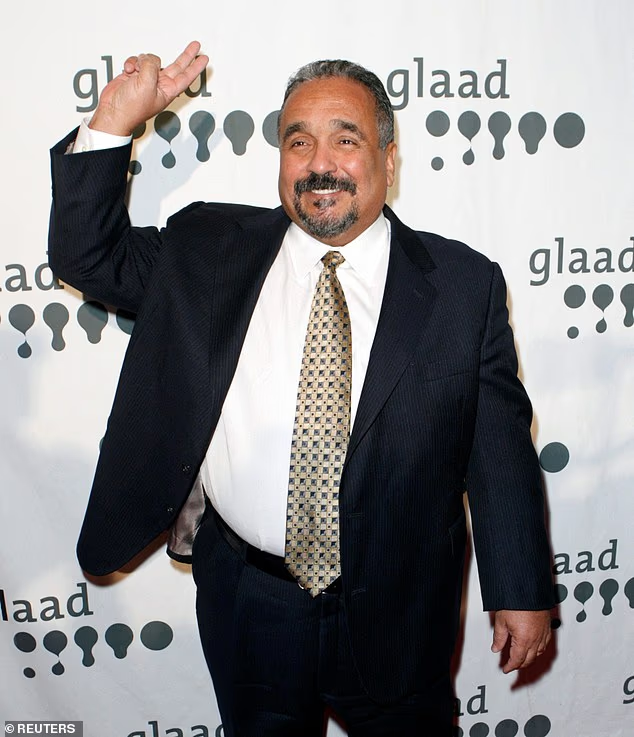
Born in April 1950 in the South Bronx, New York City, Colón grew up immersed in the vibrant yet challenging environment of a borough that would later become central to his musical identity. Of Puerto Rican descent, he carried with him the traditions of his heritage while absorbing the pulse of urban America — a duality that would define his artistic voice.
Colón’s musical journey began early. As a child, he experimented with various instruments, first learning the flute in elementary school before moving on to the bugle and trumpet. Ultimately, he found his signature sound with the trombone — an instrument that would become synonymous with his bold, brassy arrangements.
At just 16 years old, Colón recorded his first album, El Malo, released in 1967 under the iconic New York label Fania Records. The album marked the beginning of a partnership that would help redefine salsa music. On that debut project, he collaborated with a young and charismatic vocalist named Héctor Lavoe.
The chemistry between Colón and Lavoe was immediate and electric. Together, they formed an orchestra that combined gritty urban storytelling with infectious rhythms. Their music captured the lived experiences of Latino communities in New York — stories of struggle, resilience, humor, and hope.
Over the course of their collaboration, Colón and Lavoe produced 16 albums together. Among their most beloved songs were “Calle Luna, Calle Sol,” “Abuelita,” and “El Día de Mi Suerte,” tracks that became anthems within salsa circles and beyond.
Their partnership helped propel salsa from neighborhood dance halls into international arenas. The sound was raw yet sophisticated, deeply rooted in Caribbean traditions yet unmistakably shaped by the streets of the Bronx and Manhattan.
By the mid-1970s, Colón had already cemented his reputation as one of the genre’s most innovative bandleaders and producers. In 1976, he launched a solo career with the release of The Good, the Bad, and the Ugly, a project that showcased his versatility and ambition. He later followed with Solo in 1988, further demonstrating his evolution as an artist.
Colón’s creative reach extended beyond his early collaborations. In 1977, he began working with Panamanian singer-songwriter Rubén Blades, introducing Blades to the recording industry and forming another highly influential partnership. Together, they produced six albums that blended socially conscious lyrics with complex musical arrangements.
Throughout his career, Colón released approximately 40 albums. His commercial success was matched by critical acclaim: he earned nine Gold Records and five Platinum records, a testament to both his artistic credibility and popular appeal.
Yet his impact cannot be measured solely by sales figures or awards. Colón was widely regarded as a pioneer of the Nuyorican salsa movement — a cultural wave that gave voice to a generation of Puerto Ricans navigating life between two identities. His music often reflected themes of migration, economic hardship, pride, and perseverance.
In addition to his musical achievements, Colón wore many hats over the course of his life. He was a poet, composer, producer, musical director, and at times an outspoken public figure. He remained deeply engaged with his community, frequently speaking out on cultural and political issues affecting Puerto Ricans and Latinos more broadly.
His trombone-driven arrangements became a hallmark of his sound — brassy, assertive, and unmistakable. Unlike many traditional Latin ensembles that leaned heavily on strings or softer instrumentation, Colón’s orchestration foregrounded the trombone section, creating a distinctive sonic identity that influenced countless musicians who followed.
Fans often described his music as both celebratory and reflective. Dance floors around the world pulsed to his rhythms, yet his lyrics frequently carried deeper social commentary. That balance — between joy and realism — was central to his enduring appeal.
As news of his passing spread, tributes poured in from fellow artists, cultural leaders, and admirers across the globe. Many credited him with elevating salsa from a regional style to a globally recognized genre. Others emphasized his role in shaping Latino identity in the United States during a period of profound social and cultural change.
For many who grew up in the 1970s and 1980s, Colón’s music formed part of the soundtrack of their lives — played at family gatherings, neighborhood festivals, and city block parties. His songs carried across generations, bridging divides between immigrants and their American-born children.
Though he has passed, the rhythms he helped craft remain alive in dance studios, radio stations, and streaming playlists worldwide. Younger artists continue to sample, reinterpret, and draw inspiration from the musical structures he popularized.
His family’s statement captured that enduring spirit: even in grief, they celebrated the permanence of his artistic contributions. The melodies, the trombone riffs, the powerful collaborations — all remain embedded in the history of Latin music.
In an era when genres constantly evolve and musical trends shift rapidly, Colón’s legacy stands as a reminder of how cultural authenticity and innovation can create something timeless.
At 75, he leaves behind not only a catalog of songs but a cultural movement he helped build. The Nuyorican salsa sound — once emerging from crowded New York neighborhoods — is now recognized as a defining chapter in global music history.
As fans revisit his albums and reflect on decades of artistry, one truth remains clear: the man who helped give salsa a bold, urban voice ensured that his music would never fade.
Willie Colón’s trombone may be silent, but the echo of his influence will continue to resonate for generations.