



For many Americans, grocery shopping is more than a routine chore—it’s a weekly ritual, a place to stock up on necessities, and in some ways, a second home. But for communities across the country, that seemingly simple task is becoming increasingly difficult, as historic grocery chains shutter locations and reduce access for residents, particularly in vulnerable neighborhoods.
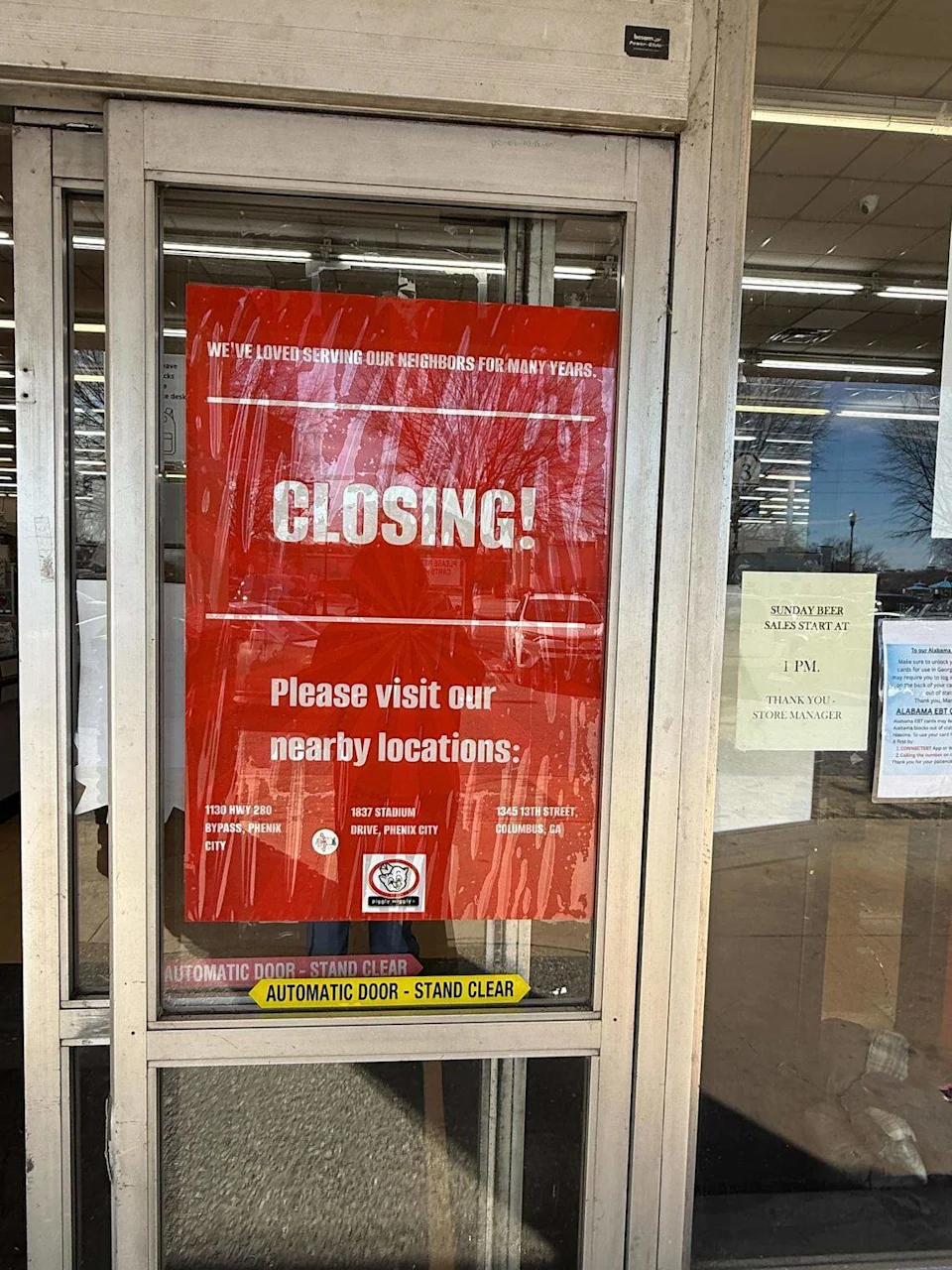
The latest example comes from Piggly Wiggly Phenix Plaza, a longtime fixture in Phenix City, Alabama, which is set to close its doors permanently. The franchise, operated by JTM Corporation, has served the community for nearly four decades at 512 13th Street. While an exact closure date has not yet been announced, the decision marks another chapter in a nationwide trend of grocery store contractions.
“This was not an easy decision,” said JTM Corporation Executive Keith Milligan. “We are incredibly grateful to the customers who have supported this store for nearly four decades. Serving this community has meant a great deal to our family.”
About 20 employees will be impacted, though all have been offered positions at other Piggly Wiggly locations in the region. The store, operating on a month-to-month lease, had been facing financial losses and required upgrades to equipment and remodeling. Despite these challenges, the closure has sparked concern among local residents, especially those without personal transportation.
“This is walking distance from the apartments that live nearby who don’t own cars,” commented one local on a public Facebook post by WRBL News 3. “How will we shop now?” Another resident added, “If they keep on, there’s not going to be any grocery stores in Phenix City or Smith Station.”
Although two other Piggly Wiggly stores remain in Phenix City, both are over two miles away, often requiring a vehicle to access, a challenge for low-income or mobility-limited residents. The nearest alternatives include locations at 1130 Hwy. 280 Bypass (2.4 miles away) and 1837 Stadium Drive (2.5 miles away).
This closure follows another Alabama Piggly Wiggly shutdown in early 2025 at 620 Cherry Drive in Lanett’s Cherry Valley Shopping Center. JTM Corporation, founded in 1966, operates roughly 15 Piggly Wiggly stores across Alabama and Georgia, and the decision reflects pressures that franchisees are facing in today’s retail environment.
Broader Industry Trends
While JTM Corporation made the decision independently of Piggly Wiggly’s corporate parent, C&S Wholesale Grocers, other franchisees are experiencing similar pressures. Homeland Stores, a regional operator with about 80 supermarkets under banners including Piggly Wiggly, CashSaver, Discount Foods, and Food World, has also closed several underperforming locations across Oklahoma and Georgia.
The closures come amid an evolving grocery landscape, where economic uncertainty, changing shopping habits, and competitive pressures are reshaping access. Nationally, retailers are projected to close roughly 7,900 stores in 2026 while opening about 5,500, according to Coresight’s US Store Tracker 2026 Outlook. Though the pace of closures has slowed slightly, low-income communities disproportionately feel the impact, losing in-person shopping options and experiencing higher prices due to diminished competition.
Piggly Wiggly continues expansion efforts elsewhere. In October 2025, Southeastern Grocers announced plans to rebrand as The Winn-Dixie Company in early 2026, consolidating operations in Florida and select Georgia markets while selling other locations in Alabama, Georgia, Louisiana, and Mississippi to Food City and Piggly Wiggly operators.
The Risk of Food Deserts
Closures such as the Phenix City store contribute to the growing concern over “food deserts”—areas with limited access to supermarkets or affordable, nutritious food. According to the U.S. Department of Agriculture, roughly 17.1 million Americans, or 5.6 percent of the population, live in low-access census tracts, meaning they reside more than one mile from a supermarket.
Poverty further compounds the challenge. The national poverty rate was 10.6 percent in 2024, while Alabama’s rate was approximately 15.2 percent. Phenix City, where the store is located, has a particularly high poverty rate of 24.5 percent. Health experts warn that residents in food deserts are more likely to experience diet-related illnesses, including obesity, diabetes, cardiovascular disease, and vitamin deficiencies.
“Effective interventions to increase healthy food accessibility may help improve diet quality and population health,” said Dr. Farhad Islami. “These may include initiatives establishing new healthy food retailers, as well as upgrading the quality, diversity, and quantity of healthier foods at current stores.”
Transportation and Access Barriers
Even when alternative grocery stores are available, transportation can pose a significant barrier. Limited public transit options make it difficult for lower-income households, elderly residents, or those without vehicles to access essential groceries. Research from the 2021 National Survey of Community-Based Policy and Environmental Supports for Healthy Eating and Active Living highlights that improving transit availability and destination accessibility in underserved areas could significantly enhance access to healthy food.
Prioritizing mobility options for low-income or limited-mobility residents not only improves immediate access but also supports better long-term diet quality and health outcomes, according to the study. For many Phenix City residents, the loss of the Phenix Plaza Piggly Wiggly will require either longer commutes or reliance on friends, family, or ride-sharing options to secure basic food necessities.
Looking Ahead
The closure of Piggly Wiggly in Phenix City reflects both local economic pressures and broader national trends impacting the grocery retail industry. As communities face shrinking access to essential services, advocacy for new food retailers, investment in transportation, and public health interventions become increasingly critical.
While residents await the store’s final closure, JTM Corporation has pledged to support affected employees and thanked the community for decades of loyalty. Meanwhile, public health officials, local leaders, and retail analysts are keeping a close eye on the consequences of reduced grocery access, particularly for low-income families who rely on convenient, nearby options for daily necessities.
The story of Piggly Wiggly in Phenix City illustrates the complex interplay between business decisions, community health, and access to essential services, highlighting a growing challenge faced by Americans across the nation.

Emily Johnson is a critically acclaimed essayist and novelist known for her thought-provoking works centered on feminism, women’s rights, and modern relationships. Born and raised in Portland, Oregon, Emily grew up with a deep love of books, often spending her afternoons at her local library. She went on to study literature and gender studies at UCLA, where she became deeply involved in activism and began publishing essays in campus journals. Her debut essay collection, Voices Unbound, struck a chord with readers nationwide for its fearless exploration of gender dynamics, identity, and the challenges faced by women in contemporary society. Emily later transitioned into fiction, writing novels that balance compelling storytelling with social commentary. Her protagonists are often strong, multidimensional women navigating love, ambition, and the struggles of everyday life, making her a favorite among readers who crave authentic, relatable narratives. Critics praise her ability to merge personal intimacy with universal themes. Off the page, Emily is an advocate for women in publishing, leading workshops that encourage young female writers to embrace their voices. She lives in Seattle with her partner and two rescue cats, where she continues to write, teach, and inspire a new generation of storytellers.