Authorities in Houston are addressing growing public concern after 34 bodies were recovered from the city’s bayous in 2025, with three more discovered during a single week over the Christmas period. The surge in discoveries has fueled speculation about the possibility of a serial killer operating in Houston, prompting city officials and law enforcement to emphasize that there is no evidence supporting this theory.
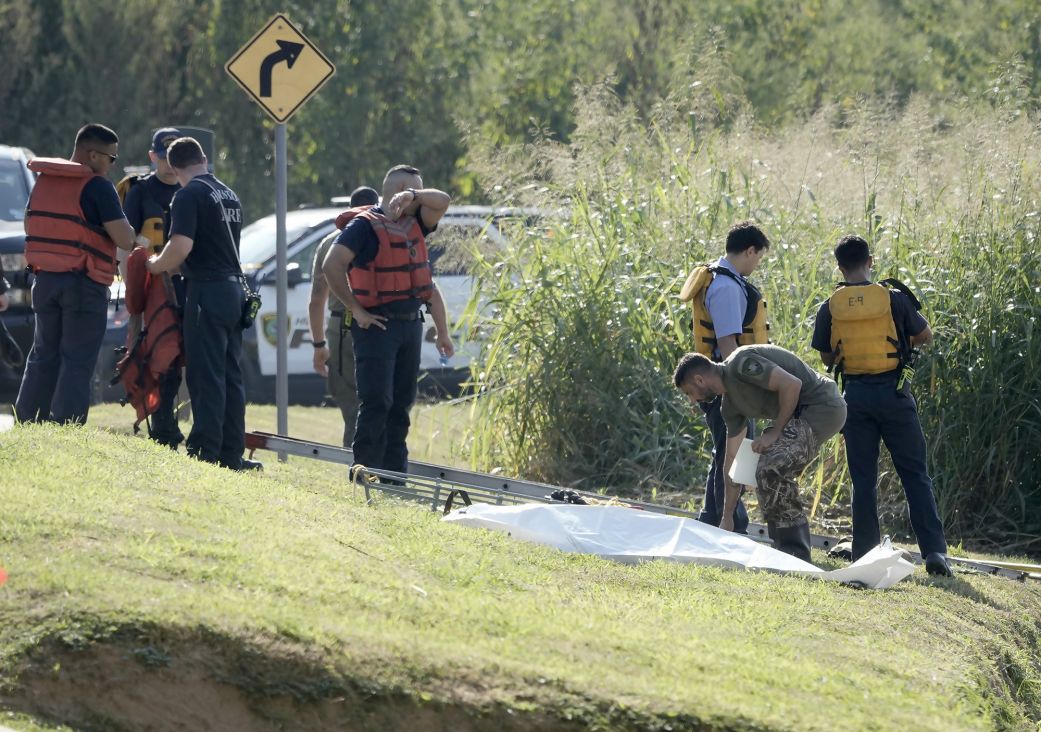
On December 22, two bodies were recovered from Buffalo Bayou and Brays Bayou, respectively, after passersby reported seeing the remains floating in the water. A third body was discovered in Buffalo Bayou on December 24, Christmas Eve, further heightening public concern. The Houston Police Department’s Dive Team handled all three recoveries, but details about the victims remain limited, and autopsy results are still pending. Several of the individuals could not be immediately identified.
The sheer number of bodies discovered in the waterways has understandably caused alarm among residents. Social media users have speculated about the possibility of a serial killer, particularly given the repeated recoveries in specific areas of the city’s bayou system. However, authorities have consistently stressed that these fears are likely unfounded. Houston Mayor John Whitmire, speaking in September as the body count exceeded two dozen, said: “We do not have any evidence that there is a serial killer loose.” He went on to explain that many of those found in the bayous are members of the city’s homeless population who die from natural causes, accidents, or untreated medical conditions. In many cases, their bodies are not taken to funeral homes, and friends or community members leave them in the waterways.
“Unfortunately, the homeless, when they pass, often end up in the bayou,” Mayor Whitmire said. He added that deaths caused by illness, diabetes, or cancer are common among the city’s homeless community, and these individuals often have no family or resources to arrange proper burials. The high number of bodies recovered, he noted, is a reflection of these systemic issues rather than criminal activity.
Supporting the mayor’s perspective, retired Houston PD captain Greg Fremin urged residents to remain vigilant but not alarmed. “We have a relatively safe city for the most part,” Fremin told ABC, “but it’s just like any other big city. There is crime, you have to be aware, but this is not anything to be concerned about.” He stressed that the recent recoveries are tragic but not indicative of a serial killer targeting the population.
Data from the Harris County Medical Examiner’s Office supports this assessment. Since 2017, at least 198 bodies have been found in Houston’s bayous, with the past two years seeing the highest recorded totals. Roughly 40 percent of these cases are classified as drownings, while the remaining deaths include suicides, homicides, and blunt force injuries. Many of those identified were members of the city’s homeless community or otherwise vulnerable populations. While the numbers are alarming, experts note that Houston is a large metropolitan area with extensive waterways, making the discovery of multiple bodies statistically plausible.
Research conducted by Texas State University professor Kim Rossmo sheds additional light on the situation. Rossmo, an expert in criminal profiling, notes that drowning is an unusual method for serial killers. “Serial killers typically use stabbing, strangulation, or firearms,” Rossmo explained. “Drowning is uncommon because it is difficult to control and there are multiple opportunities for a victim to escape. The data suggest that the high number of bodies in Houston’s bayous is not the result of a single individual targeting victims but rather reflects broader social and systemic factors.”
Despite these reassurances, many residents remain uneasy. The concentration of bodies in certain waterways and the repeated discoveries over a short period have left some questioning whether the official explanation fully accounts for the numbers. Local resident Erick Cortez commented on the recent finds, saying, “The math isn’t mathing. I think there’s a serial killer. There must be someone out there. It’s ridiculous that so many people are dying in the bayou, and it’s unfortunate they haven’t found the person.”
Authorities have sought to provide context for the findings. According to the Houston Chronicle, the city has seen a long-term trend of bodies being discovered in its waterways, with the homeless population disproportionately represented among the deceased. The mayor noted that one more death was recorded in 2024 than in 2025, suggesting that the recent spike is part of a continuing pattern rather than an unprecedented surge.
While public speculation continues, police have emphasized the importance of situational awareness and community vigilance. The HPD Dive Team has been actively patrolling the bayous, responding promptly to reports from the public, and conducting thorough investigations into each discovery. However, investigators caution that not every body discovered indicates foul play, and in many cases, the cause of death is natural or accidental.
The high visibility of the discoveries, combined with the media coverage and social media discourse, has contributed to a heightened sense of fear among Houston residents. Experts suggest that the perception of a serial killer may be amplified by the unusual nature of finding multiple bodies in public waterways, even when these deaths are unrelated. Professor Rossmo emphasized that while the situation is tragic, it is more accurately described as a public safety and social issue than a criminal spree.
Community outreach programs and support for Houston’s homeless population are among the measures being considered to reduce the number of preventable deaths. Public health officials have highlighted the need for access to medical care, housing support, and social services to address the underlying causes contributing to the frequent discoveries in the bayous. These measures, they argue, could help reduce the number of deaths in vulnerable communities and prevent families from facing additional trauma.
In conclusion, the recent recovery of 34 bodies from Houston’s bayous has understandably fueled concern among residents and sparked speculation about a possible serial killer. However, authorities, criminal experts, and researchers maintain that there is no evidence to suggest a single perpetrator is responsible. Instead, the deaths largely reflect broader social issues, including homelessness, untreated medical conditions, and accidents, compounded by the city’s extensive and accessible waterways.
Mayor John Whitmire, retired police officials, and experts urge the public to remain vigilant and informed while avoiding panic. They emphasize that Houston remains a relatively safe city, and the majority of the recent deaths, though tragic, are not indicative of organized criminal activity. Meanwhile, community organizations and city authorities continue to explore ways to prevent future deaths and improve conditions for vulnerable populations.
While the narrative of a serial killer has captured public attention, officials insist that the focus should remain on addressing systemic issues, supporting at-risk residents, and ensuring public safety. The situation remains under investigation, and further updates from the Houston Police Department and the Harris County Medical Examiner’s Office are expected as autopsy results become available.

Emily Johnson is a critically acclaimed essayist and novelist known for her thought-provoking works centered on feminism, women’s rights, and modern relationships. Born and raised in Portland, Oregon, Emily grew up with a deep love of books, often spending her afternoons at her local library. She went on to study literature and gender studies at UCLA, where she became deeply involved in activism and began publishing essays in campus journals. Her debut essay collection, Voices Unbound, struck a chord with readers nationwide for its fearless exploration of gender dynamics, identity, and the challenges faced by women in contemporary society. Emily later transitioned into fiction, writing novels that balance compelling storytelling with social commentary. Her protagonists are often strong, multidimensional women navigating love, ambition, and the struggles of everyday life, making her a favorite among readers who crave authentic, relatable narratives. Critics praise her ability to merge personal intimacy with universal themes. Off the page, Emily is an advocate for women in publishing, leading workshops that encourage young female writers to embrace their voices. She lives in Seattle with her partner and two rescue cats, where she continues to write, teach, and inspire a new generation of storytellers.