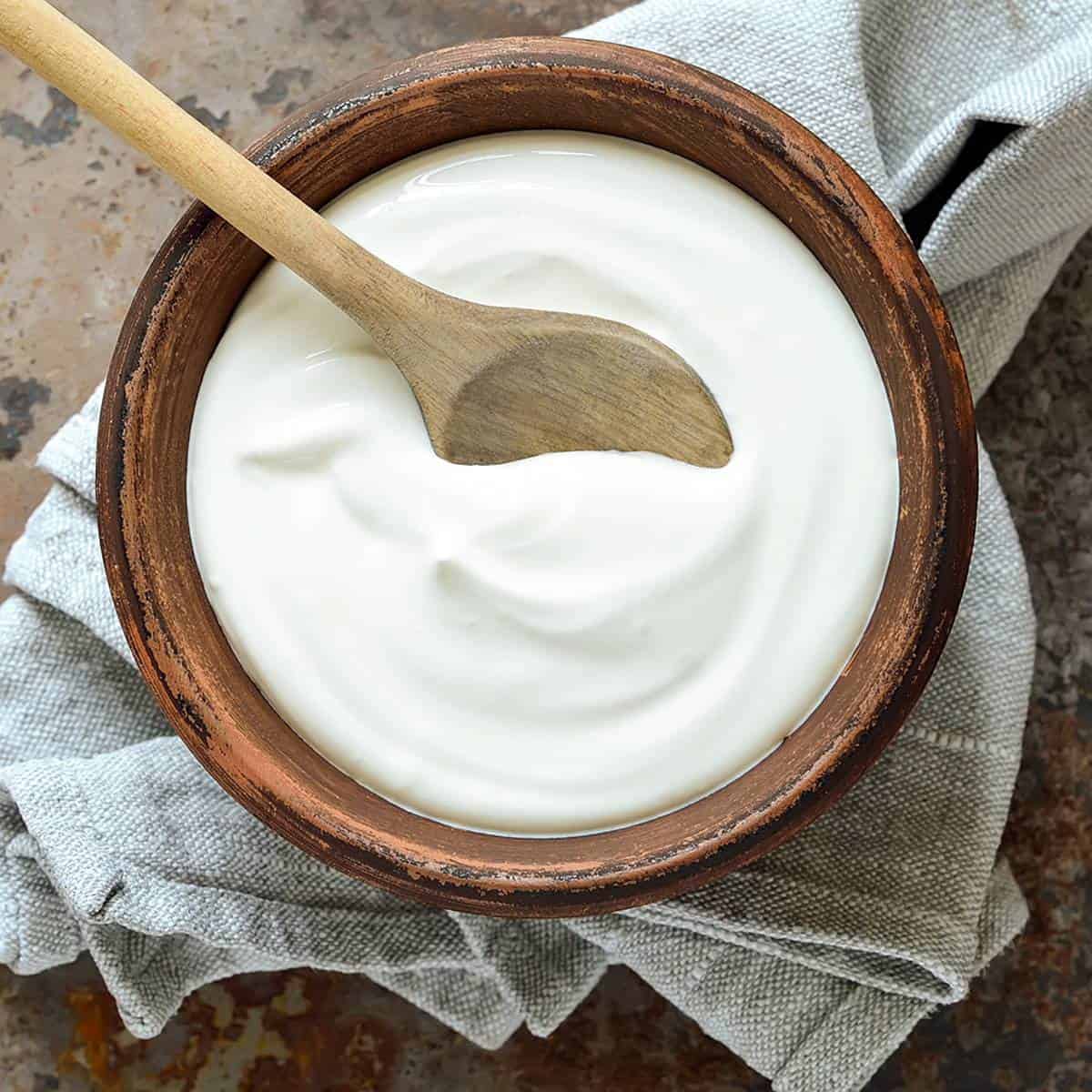
A major lawsuit is challenging one of the country’s most recognizable yogurt brands, accusing the company of misleading millions of shoppers with the promise that its products contain “only natural ingredients.” The legal filing argues that independent laboratory tests detected chemicals commonly associated with plastics and industrial materials—substances that research has linked to potential risks for reproductive health, hormonal disruption, and possibly cancer.
The case has drawn national attention not only because of the popularity of the yogurt brand, but because it comes amid growing consumer anxiety over what hidden chemicals may be present in everyday foods, even those heavily marketed as clean, natural, or wholesome.
According to the lawsuit, the tested products reportedly contained a group of chemicals known as phthalates—synthetic compounds widely used to make plastics flexible and durable. These chemicals can migrate from packaging into food, especially items stored for long periods or exposed to varying temperatures. Scientists have warned that phthalates, depending on the type and exposure level, may interfere with the endocrine system and could impact reproductive development.
The filing argues that the public was lulled into a false sense of security by advertising built around purity and naturalness. The plaintiff claims she relied on those assurances when purchasing her yogurt and would never have paid for the product had she been aware of what independent testing uncovered.
Lawsuit Filed by California Consumer
The plaintiff is Amy Wysocki, a California woman who purchased the yogurt in 2023 and says she had no reason to suspect the presence of synthetic chemicals, given the company’s repeated claims that its products contain only natural ingredients.
Wysocki’s class-action lawsuit, filed in April, cites testing conducted by the research organization PlasticList. Their analysis reportedly identified four types of phthalates in the yogurt samples:
-
DEHP (Di-2-ethylhexyl phthalate)
-
DEP (Diethyl phthalate)
-
DBP (Dibutyl phthalate)
-
DEHT (Di-2-ethylhexyl terephthalate)
DEHP and DBP are primarily used to make plastics flexible. DEP is frequently found in cosmetics and may reach foods through packaging or processing equipment. DEHT is considered a newer, possibly safer replacement for older phthalates, though scientists say research is still evolving.
According to the lawsuit, the chemicals likely migrated into the yogurt through the plastic containers that hold the product—a form of contamination seen in numerous studies examining how packaging interacts with food over time.
Wysocki says she felt deceived by the “only natural ingredients” claim and notes that this marketing language was central to her decision to buy the yogurt. The filing argues she “reasonably understood” that such wording meant the product would be free from synthetic toxic chemicals.
The complaint states she would not have purchased the yogurt—or would have done so under different terms—if she had known about the potential presence of phthalates.
Company Pushes Back, Says Case Will Be Dismissed
A spokesperson for Chobani, the yogurt manufacturer, told the Daily Mail the allegations are “without merit” and that the company has filed to have the case dismissed. According to the spokesperson, a judge signaled in an August hearing that the court intends to dismiss the lawsuit in a forthcoming formal order.
“As we have always maintained, our products include only natural ingredients. We are looking forward to the court’s decision,” the spokesperson said.
No regulatory body—including the FDA—has confirmed the presence of phthalates in the company’s products. Chobani argues the accusations rely entirely on third-party testing, not federal testing or oversight.
The lawsuit acknowledges that Wysocki would continue purchasing the yogurt in the future—but only if the product is truthfully represented and free from synthetic chemical contamination.
What Are Phthalates, and Why Are They Controversial?
Phthalates are often referred to as “the ubiquitous chemical” because they are found across countless consumer products, including:
-
plastics and food packaging
-
cosmetics and lotions
-
household goods
-
medical tubing
-
building materials
-
children’s toys
People can be exposed through food, drinks, dust, personal care products, or even medical devices. Though small amounts can appear in packaging, U.S. regulations allow certain types of phthalates to be used in plastics that come into contact with food, as long as they are not intentionally included as food additives.
A 2024 Consumer Reports investigation found phthalates in nearly every food item sampled across multiple categories, raising fresh concerns about how widespread the chemicals may be in the American diet.
The FDA currently permits nine phthalates in food-contact materials. A 2022 petition to ban them outright was denied, with the agency claiming available evidence showed typical dietary exposure remains within accepted safety limits. However, the FDA also acknowledged that research on long-term impacts and cumulative exposure is ongoing.
Scientists have linked certain phthalates to:
-
developmental and reproductive issues
-
thyroid disruption
-
potential links to cancers
-
obesity patterns
-
behavioral and social development concerns in children
Still, experts emphasize that definitive proof in humans remains limited, and many studies are based on animal testing or correlations rather than direct causation.
Why This Lawsuit Struck a Nerve
The case taps into a growing tension between food marketing and chemical reality. Consumers have increasingly gravitated toward products labeled:
-
“natural”
-
“organic”
-
“clean”
-
“pure”
-
“non-toxic”
Yet packaging, processing, and industrial supply chains often introduce trace chemicals into foods, even when companies do not intentionally add them. Because labeling laws on terms like “natural” are flexible and sometimes vague, disputes like Wysocki’s lawsuit have become more common.
Health advocates say the case highlights a broader issue: consumers may be exposed to chemicals they know nothing about, even when products appear wholesome. Industry groups argue that trace amounts of these compounds are unavoidable in modern food systems and that safety limits are closely monitored.
What Happens Next?
With the court signaling a likely dismissal, the lawsuit may not move forward—but the public debate it sparked is unlikely to fade.
Concerns about food packaging, hidden chemicals, and vague ingredient claims are gaining traction nationwide. Even if Wysocki’s case does not proceed, it raises the question of how “natural” should be defined in a world where packaging can alter food long after it leaves the factory.
As legal, scientific, and policy discussions evolve, one thing is clear: consumers are paying closer attention than ever. And brands that market purity will face increasing scrutiny—not just for what they put into their products, but for what their packaging may unintentionally add.

Emily Johnson is a critically acclaimed essayist and novelist known for her thought-provoking works centered on feminism, women’s rights, and modern relationships. Born and raised in Portland, Oregon, Emily grew up with a deep love of books, often spending her afternoons at her local library. She went on to study literature and gender studies at UCLA, where she became deeply involved in activism and began publishing essays in campus journals. Her debut essay collection, Voices Unbound, struck a chord with readers nationwide for its fearless exploration of gender dynamics, identity, and the challenges faced by women in contemporary society. Emily later transitioned into fiction, writing novels that balance compelling storytelling with social commentary. Her protagonists are often strong, multidimensional women navigating love, ambition, and the struggles of everyday life, making her a favorite among readers who crave authentic, relatable narratives. Critics praise her ability to merge personal intimacy with universal themes. Off the page, Emily is an advocate for women in publishing, leading workshops that encourage young female writers to embrace their voices. She lives in Seattle with her partner and two rescue cats, where she continues to write, teach, and inspire a new generation of storytellers.