



A towering figure in American music has passed away at the age of 78 after a courageous battle with cancer and complications from underlying lung issues. The news was confirmed through an official statement from the artist’s representatives, noting that he died peacefully, surrounded by family and close friends. Tributes have poured in from fans, fellow musicians, and cultural figures, all reflecting on the profound influence he had on generations of music lovers.
Known for his pioneering contributions to the fusion of rock, folk, and improvisational jam music, he left an indelible mark on the American musical landscape. His artistry extended beyond mere performance; it created a sense of community, a shared language, and a feeling of family among audiences who followed his work over decades. Every note, every lyric, and every chord resonated not just as entertainment but as an invitation to experience a world of expression, reflection, and connection.
His journey in music began during his adolescence, when a fascination with stringed instruments led him to explore local music scenes. At the age of 16, following the sound of a banjo, he wandered into a Palo Alto music store, where he encountered a guitarist whose style would profoundly influence him. That serendipitous meeting sparked a collaboration that ultimately led to the formation of one of the most iconic and enduring bands in American history.
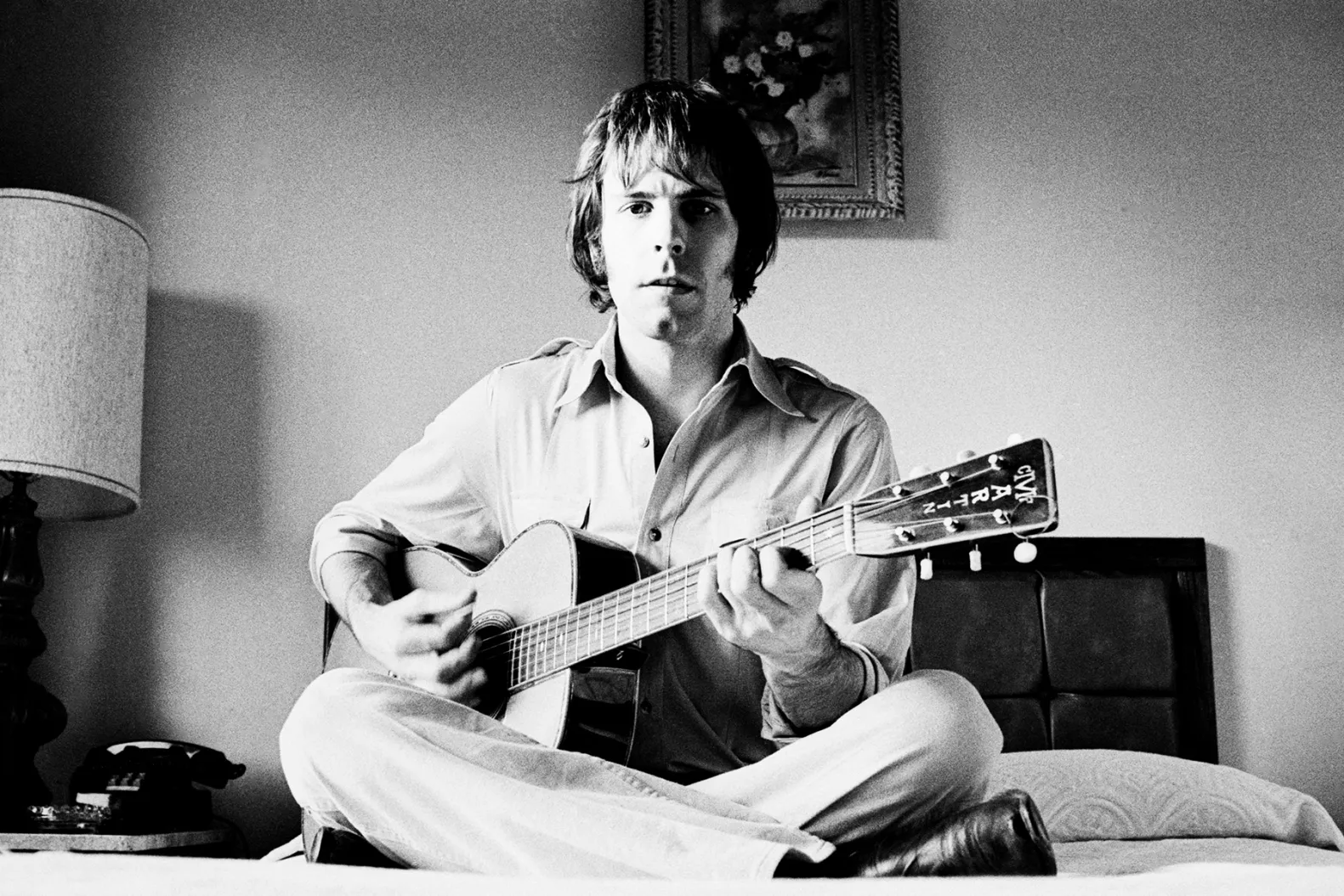
Bob Weir, born Robert Hall Weir in San Francisco on October 16, 1947, was adopted as an infant and grew up in the Bay Area. As a child, he struggled with undiagnosed dyslexia and faced behavioral challenges, but he found solace and expression through music. By the age of 13, he had picked up the guitar and was performing at local folk clubs. His formative experiences shaped his creativity and resilience, laying the groundwork for a career that would span six decades.
Alongside Jerry Garcia, Ron “Pigpen” McKernan, Phil Lesh, and Bill Kreutzmann, Weir co-founded the band that would become a defining voice of the 1960s counterculture. Their early ensemble, originally known as Mother McCree’s Uptown Jug Champions, evolved into the Warlocks and ultimately into the Grateful Dead. The group became synonymous with improvisational live performances, genre-blending compositions, and a devoted fanbase known as Deadheads.
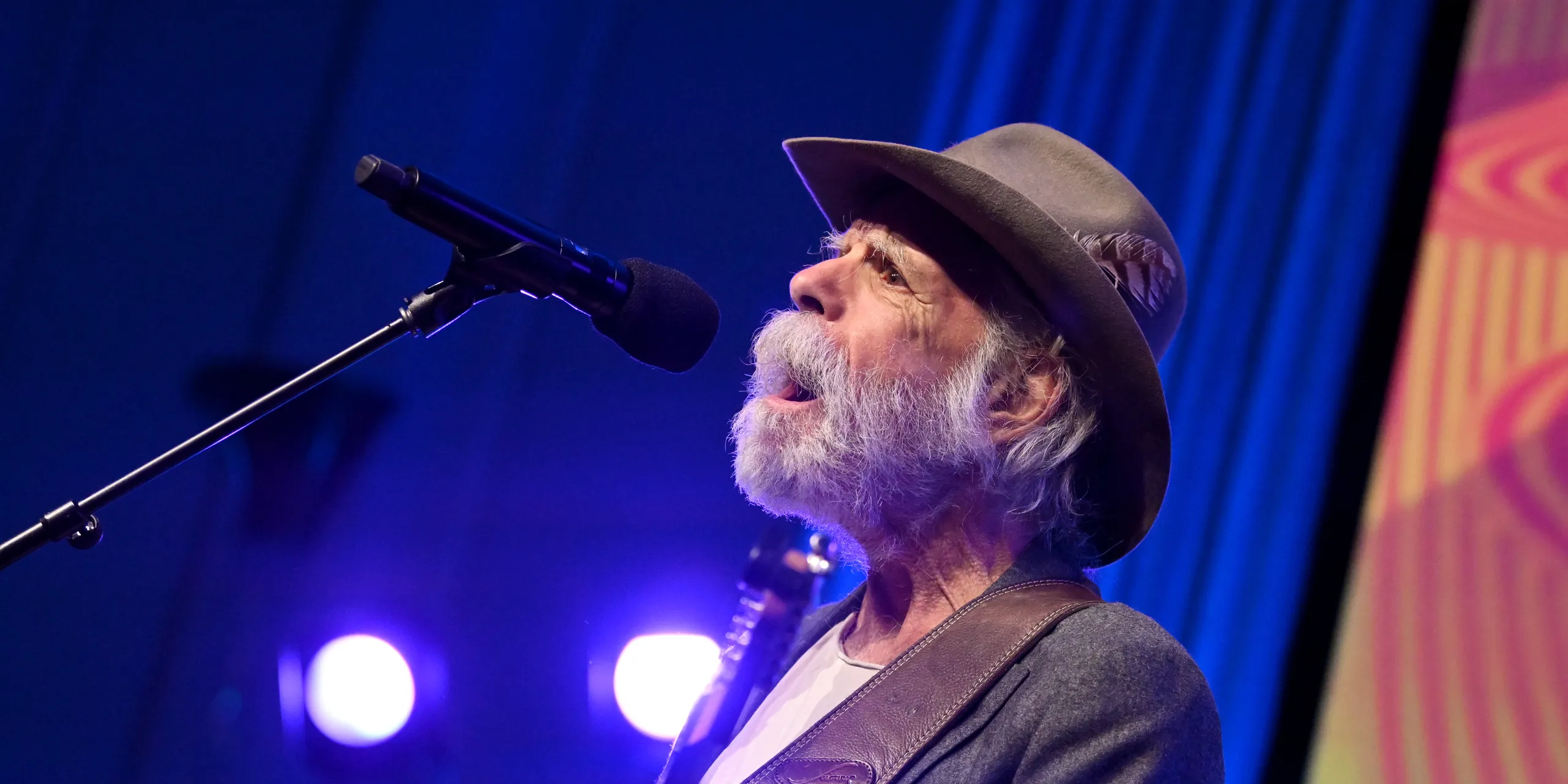
Throughout the band’s history, Weir played a pivotal role not only as a guitarist but also as a songwriter and vocalist. Following the death of Ron “Pigpen” McKernan in 1972, he assumed a larger creative and leadership role within the band, helping to guide its artistic direction through periods of both triumph and challenge. He released solo albums such as Ace and Heaven Help the Fool and collaborated in side projects including Kingfish, the Bob Weir Band, Bobby and the Midnites, RatDog, Furthur, and The Other Ones. Each project showcased his versatility and commitment to musical exploration.
His contributions extended beyond performance. Weir was instrumental in maintaining the Grateful Dead’s vision and community ethos, particularly after Garcia faced health and addiction struggles. His leadership helped preserve the band’s culture and ensured that their music remained accessible to generations of fans. Over the years, he continued to tour and record, sustaining the spirit of the Grateful Dead through multiple iterations of the group, as well as through collaborations with former members.
The announcement of his passing underscored his enduring influence on both music and culture. Statements highlighted his long-term vision, noting that he often spoke of ensuring the Grateful Dead’s legacy would endure well beyond his lifetime. “There is no final curtain here, not really… He often spoke of a 300-year legacy, determined to ensure the songbook would endure long after him,” the tribute read. “May that dream live on through future generations of Dead Heads.”
Fans recall his performances as more than concerts—they were immersive experiences. Each live show represented a living, evolving composition where audience and musician became part of the same creative moment. His approach to music fostered a sense of belonging and shared experience, building one of the most dedicated fan communities in the history of rock. This legacy of connection is as integral to his memory as his technical mastery and inventive spirit.
Critics and fellow artists alike celebrated Weir for his ability to bridge musical genres and incorporate improvisation into popular music. He was admired for blending rock, folk, country, and blues with exploratory jam sessions that could stretch for hours. His artistry challenged conventional performance norms and inspired countless musicians to embrace spontaneity and collaborative creativity.
Even in later years, Weir remained committed to evolving his craft. He continued to perform and collaborate, passing on his philosophy of music as a living, breathing art form. His dedication to education, mentorship, and collaboration helped nurture younger generations of artists and ensured the continuity of his band’s distinctive musical language. His work left a profound imprint not only on music but also on the culture surrounding it—one defined by community, exploration, and the transformative power of shared art.
Beyond music, his story serves as a testament to resilience and creativity. Overcoming personal challenges, including health struggles and early-life difficulties, he forged a career marked by innovation, generosity, and a deep connection to his audience. Friends, collaborators, and fans remember him as warm, approachable, and deeply committed to his craft. His life and career exemplify the idea that art can be both a personal journey and a collective experience.
Tributes in the wake of his passing have emphasized the emotional resonance of his work. Musicians, critics, and fans have praised his ability to evoke emotion, foster community, and create a sense of shared narrative through music. From the earliest days of the Grateful Dead to his later projects, he consistently demonstrated an understanding that music could be both personal and universal, bridging gaps and bringing people together.
As the world reflects on his life, it is clear that his contributions extended far beyond the guitar and microphone. He cultivated a culture of inclusion, exploration, and joy in music. He inspired not only fellow musicians but entire generations of fans who followed the winding paths of his songs. His work remains a touchstone for anyone seeking to understand the transformative potential of music.
In remembering this artist, one sees a life defined by passion, creativity, and a commitment to community. His legacy is carried not only in recordings and performances but also in the enduring influence he has had on American culture and the hearts of those who experienced his music firsthand. As fans and musicians alike mourn his passing, they celebrate a life that changed the way people experience music and connect with one another.
He will be remembered as a guiding force, an innovator, and a symbol of the enduring power of art to bring people together. The chords he played, the lyrics he sang, and the performances he delivered have created a lasting imprint on the musical landscape, one that will continue to resonate for decades to come.

Sarah Mitchell is a bestselling novelist recognized for her insightful and emotionally resonant stories that explore the complexities of human relationships. Originally from Denver, Colorado, Sarah grew up in a family of teachers who nurtured her curiosity and love for storytelling. She studied psychology at Stanford University, where she became fascinated by the intricacies of human behavior—an interest that would later shape her writing career. Sarah’s novels are praised for their nuanced characters, intricate plots, and ability to capture the subtle tensions that define love, friendship, and family ties. Her breakthrough novel, The Spaces Between Us, became an instant bestseller, lauded for its honest portrayal of strained family relationships and the fragile bonds that hold people together. Since then, she has published several works that continue to captivate audiences around the world. Outside of her writing career, Sarah is passionate about mental health advocacy and often partners with organizations to promote awareness and support for those struggling with emotional well-being. Her personal life is quieter—she enjoys hiking in the Colorado mountains, practicing yoga, and spending time with close friends. With each new book, Sarah Mitchell cements her reputation as a writer who illuminates the beauty and struggles of human connection.