



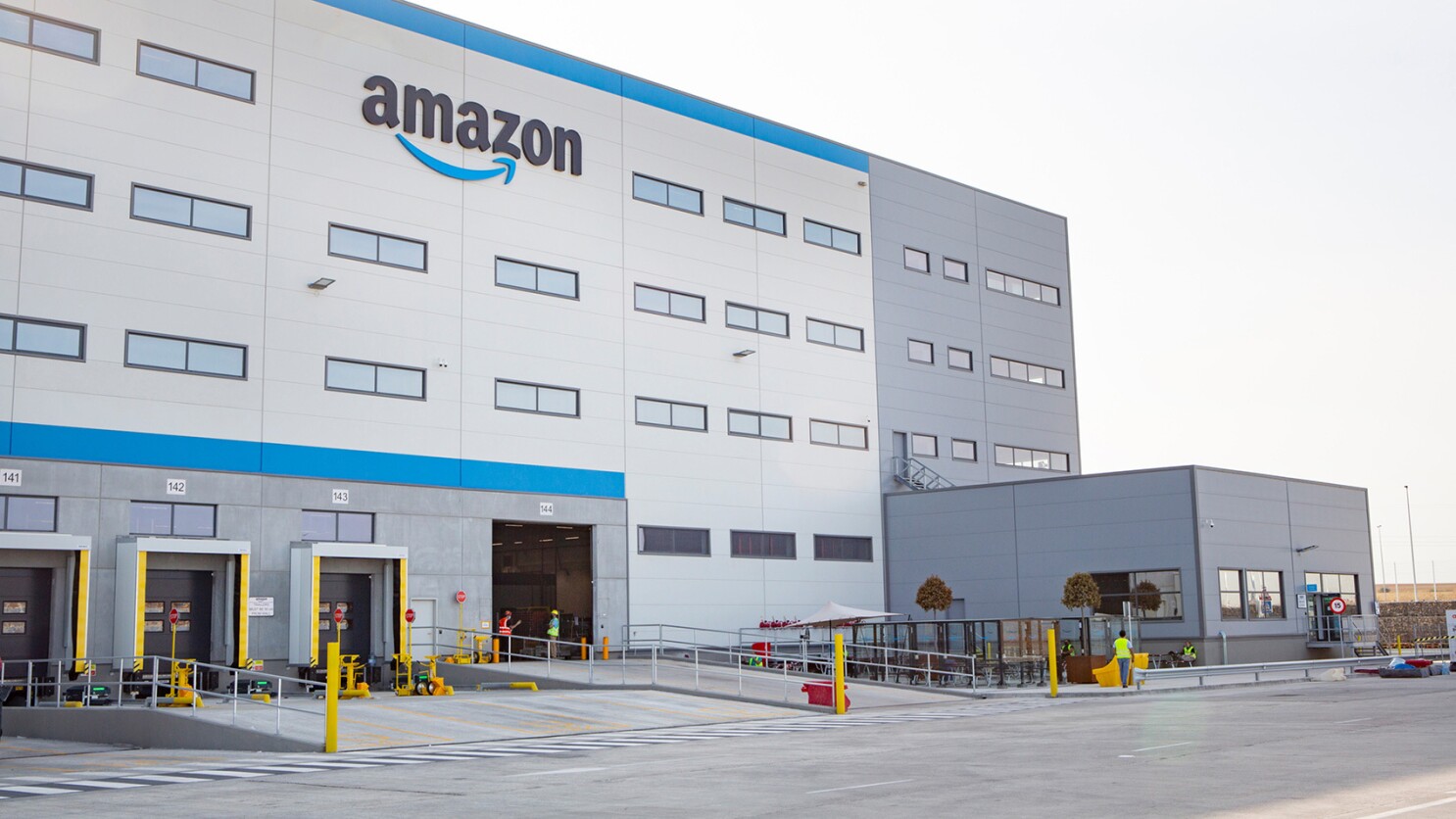
Amazon has confirmed that an outbreak of a so-called “Victorian disease” occurred at one of its warehouses in the Midlands, sparking criticism from public officials and raising concerns about workplace safety. The company revealed that several employees at its Coventry facility, which employs roughly 3,000 people, tested positive for the condition, identified as latent tuberculosis (TB), during September. While not contagious in its latent form, the outbreak has prompted an expanded screening program and precautionary measures to ensure worker safety.
Amazon described the situation as being handled “with an abundance of caution,” emphasizing that operations at the warehouse would continue while they collaborated with the National Health Service (NHS) and the UK Health Security Agency (UKHSA). A company statement read: “In line with best practice safety procedures, we immediately followed guidance from the NHS and UK Health Security Agency (UKHSA) and made all potentially affected employees aware of the situation. Out of an abundance of caution, we are currently running an expanded screening programme with the NHS. We will continue to follow guidance from the experts in the NHS, and would respectfully remind public organizations of the need for responsible communications where matters of public wellbeing are concerned.”
Health authorities have confirmed that all affected individuals are responding well to treatment with antibiotics and are no longer infectious. Dr. Roger Gajraj, a consultant in health protection with UKHSA West Midlands, stated that the overall risk remains low: “The small number of individuals affected by tuberculosis (TB) are responding well to treatment and are no longer infectious, so pose no onward risk. As a precaution, and in line with national guidance, we are offering testing to those who may have had closer contact with the affected individuals. TB is fully treatable with antibiotics. We continue to work closely with Amazon to monitor the situation.”
Tuberculosis, historically referred to as “consumption,” is a bacterial infection that primarily affects the lungs. While active TB is contagious and requires strict isolation protocols, latent TB does not spread from person to person, which is why health officials have framed the risk to other employees as low. Nevertheless, the outbreak has sparked public debate over workplace safety and corporate responsibility.
Local Member of Parliament Zarah Sultana criticized Amazon’s decision to keep the Coventry warehouse operational despite multiple confirmed cases. In a public statement, she described the working conditions as “Victorian” and called for the immediate closure of the facility with full pay for all employees: “With multiple confirmed cases on site, the warehouse must be shut down immediately and workers sent home on full pay. This is a corporation that clearly thinks it’s above the law, forcing people into conditions that belong in the Victorian era. It’s a stark reminder of why the trade union movement was founded in the first place.”
The outbreak has also prompted broader discussions about the obligations of multinational corporations to prioritize employee health, particularly in large-scale logistics centers where workers operate in close proximity. Labor advocates have noted that even treatable diseases like latent TB can become serious concerns if left unmonitored, especially in environments with high turnover and dense staffing.
Amazon has sought to reassure both employees and the public, stressing that the screening program is part of a “best practice” approach. Employees identified as having had close contact with those affected have been offered testing in line with NHS guidance. The company also emphasized that health authorities are providing the protocols for monitoring and treatment.
Despite these reassurances, Sultana and other critics argue that the decision to maintain full warehouse operations undermines worker safety and highlights a historical pattern of prioritizing productivity over employee welfare. She further noted that the situation serves as a reminder of the ongoing relevance of trade unions in advocating for safe working conditions.
Historically, tuberculosis outbreaks were a significant public health concern during the 19th and early 20th centuries, particularly in crowded urban centers and industrial workplaces. The reference to “Victorian conditions” in public commentary reflects not only the potential health risk but also the perception that workers are being subjected to antiquated, unsafe labor environments in the 21st century.
The Coventry facility is one of many Amazon warehouses across the UK and Europe, and the company’s handling of this outbreak may influence labor policies and health protocols in other locations. Observers note that rapid testing, transparent communication, and adherence to medical guidance are crucial to preventing public concern and ensuring workforce safety.
Amazon’s statement underscores its commitment to following expert advice from the NHS and UKHSA while continuing operations. The company framed the expanded screening as a precautionary measure and highlighted that affected individuals are receiving treatment. While the latent nature of the tuberculosis outbreak mitigates the immediate risk of contagion, public attention remains focused on how the corporation balances operational efficiency with employee health.
In response to the outbreak, unions and labor advocates have called for greater oversight of workplace health standards, particularly in environments with dense staffing and long hours. They argue that proactive measures, including temporary closures and paid leave, are essential to maintain both public health and employee trust.
The incident at Amazon’s Coventry warehouse highlights the continued relevance of historical diseases in modern contexts, particularly when combined with large-scale industrial operations. While latent TB is treatable and poses minimal risk of transmission, the situation has reignited discussion around corporate responsibility, worker protection, and adherence to public health guidance.
As health authorities continue to monitor the situation, the focus remains on ensuring that employees receive appropriate care and that operations at the warehouse proceed without compromising safety. For now, the combination of medical treatment, precautionary screening, and ongoing oversight appears to be preventing the outbreak from spreading, though public scrutiny and political criticism are likely to continue.
This outbreak serves as a reminder that even in the modern workplace, age-old public health threats require vigilance, transparent communication, and the prioritization of worker wellbeing, particularly in settings where productivity pressures are high. Amazon’s handling of the incident will likely influence perceptions of corporate responsibility and set a precedent for how similar cases are addressed across large-scale industrial workplaces.
The full implications of the outbreak remain under review, with the NHS and UKHSA continuing to provide guidance and support to both the company and its employees, while local lawmakers maintain pressure for swift and decisive action.

Emily Johnson is a critically acclaimed essayist and novelist known for her thought-provoking works centered on feminism, women’s rights, and modern relationships. Born and raised in Portland, Oregon, Emily grew up with a deep love of books, often spending her afternoons at her local library. She went on to study literature and gender studies at UCLA, where she became deeply involved in activism and began publishing essays in campus journals. Her debut essay collection, Voices Unbound, struck a chord with readers nationwide for its fearless exploration of gender dynamics, identity, and the challenges faced by women in contemporary society. Emily later transitioned into fiction, writing novels that balance compelling storytelling with social commentary. Her protagonists are often strong, multidimensional women navigating love, ambition, and the struggles of everyday life, making her a favorite among readers who crave authentic, relatable narratives. Critics praise her ability to merge personal intimacy with universal themes. Off the page, Emily is an advocate for women in publishing, leading workshops that encourage young female writers to embrace their voices. She lives in Seattle with her partner and two rescue cats, where she continues to write, teach, and inspire a new generation of storytellers.