


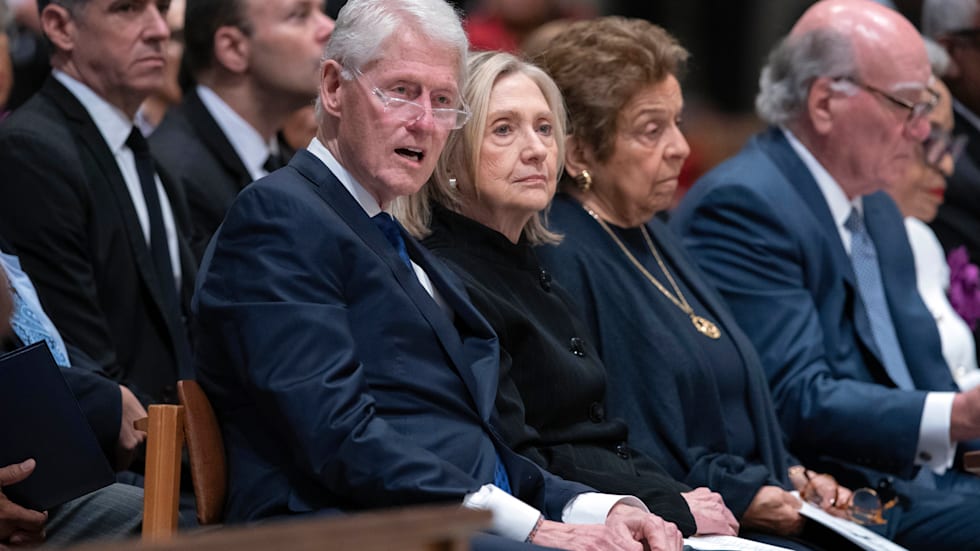
In a significant development on Capitol Hill, Bill Clinton and Hillary Clinton have reached an agreement with House Republicans to provide testimony in a congressional investigation centered on the late financier Jeffrey Epstein. The decision follows months of legal and political maneuvering and comes after the couple faced the prospect of a formal contempt of Congress vote that could have led to severe penalties.
Under the agreement, Hillary Clinton is scheduled to testify before the House Oversight Committee on February 26, with Bill Clinton set to follow the next day. The arrangement marks a rare and historically notable moment, as it will be the first instance in which lawmakers have compelled a former president to testify before Congress in this manner.
Mounting Pressure and Legal Risk
The agreement did not materialize quickly. For months, the Clintons resisted subpoenas issued by the House Oversight Committee, questioning their legal validity and offering instead to provide sworn written statements regarding their limited knowledge of Epstein’s activities. However, Republican lawmakers, led by James Comer, escalated the matter by advancing criminal contempt of Congress charges.
The threat was not merely symbolic. Had the charges been approved and pursued through the courts, the Clintons could have faced substantial fines or even imprisonment. The looming possibility of such consequences ultimately pushed both sides toward a negotiated resolution.
House Speaker Mike Johnson confirmed that efforts to bring the contempt vote to the House floor have been paused in light of the agreement. Nevertheless, the path to compromise was marked by deep mistrust and contentious negotiations between congressional Republicans and the Clintons’ legal team.
Terms of the Testimony
According to Chairman Comer, the depositions will take place behind closed doors, with full transcripts and video recordings created for the official record. While the Clintons reportedly expressed interest in making the proceedings public from the outset, Republican committee leadership insisted on maintaining the confidentiality of the initial depositions. Comer has indicated, however, that public hearings could be considered at a later stage.
Republicans argue that the testimony is a necessary step in their broader effort to understand how Epstein cultivated relationships with powerful political, financial, and social figures over many years. The inquiry also encompasses Epstein’s associate, Ghislaine Maxwell, who has been convicted in connection with his crimes.
Comer stated that investigators are attempting to determine how Epstein managed to surround himself with such influential individuals and whether any institutional failures allowed his conduct to continue unchecked for so long.
Political Tensions and Diverging Narratives
The Clintons, for their part, have strongly criticized the conduct of the investigation, arguing that the inquiry is being used for political purposes. They contend that Republicans have focused disproportionately on them rather than examining broader systemic issues or scrutinizing how federal agencies handled Epstein-related records and disclosures.
The political dynamics surrounding the investigation are complex. Although Republicans have led the push for testimony, a notable number of Democrats on the Oversight Committee supported advancing contempt charges against the Clintons. This included several younger lawmakers who have sought to demonstrate independence from the party’s traditional leadership and to emphasize transparency in matters involving Epstein.
As the possibility of a House vote drew nearer, Democratic leaders signaled that they would not invest significant political capital in defending the Clintons against the contempt measures. This bipartisan pressure left the former president and former secretary of state with limited options.
Historical Context and Precedent
Congress has traditionally shown deference to former presidents when it comes to compulsory testimony. The decision by Bill Clinton to comply with a congressional subpoena therefore carries potential long-term implications. Some lawmakers have suggested that this episode could set a precedent that future former presidents may be expected to follow when called before Congress.
Democratic Representative Daniel Goldman publicly noted that the precedent could be applied in future investigations when political control of the House changes hands.
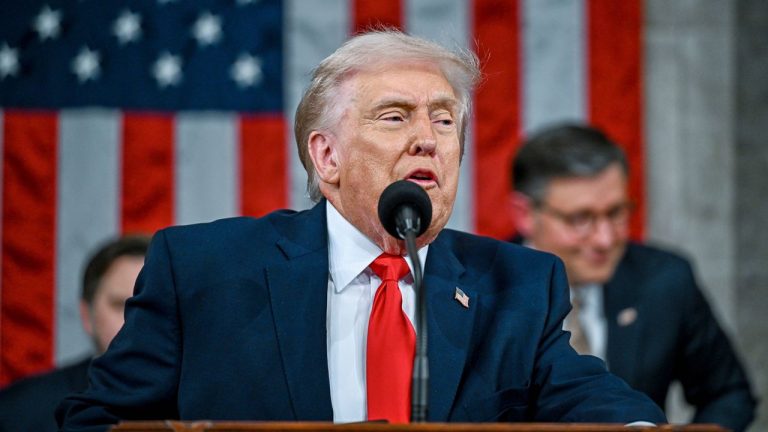
The situation stands in contrast to a previous legal battle involving Donald Trump, whose legal team successfully resisted a congressional subpoena in 2022 related to the January 6 investigation. At the time, Trump’s attorneys argued that longstanding legal principles shield former presidents from compelled congressional testimony, and the committee ultimately withdrew its demand.
Connections to Epstein
Bill Clinton, like several other high-profile figures, had documented interactions with Epstein during the late 1990s and early 2000s. However, neither Bill Clinton nor Donald Trump has been credibly accused of wrongdoing in connection with Epstein’s criminal activities.
Both Bill and Hillary Clinton have consistently maintained that they were unaware of Epstein’s sexual abuse of underage girls prior to his prosecution. Epstein died in a New York jail in 2019 while awaiting trial, a death officially ruled a suicide but one that continues to generate public scrutiny and conspiracy theories.
The upcoming testimony is expected to explore the nature of the Clintons’ interactions with Epstein, the extent of their knowledge about his activities, and any relevant communications or records that may shed light on his broader network of contacts.
Broader Implications
Beyond the immediate political ramifications, the case underscores ongoing public demand for accountability and transparency regarding Epstein’s crimes and the individuals who associated with him. Advocacy groups and survivors have repeatedly called for fuller disclosure of documents and testimony related to the case.
The Oversight Committee’s work is part of a wider effort across government to review investigative files and determine whether additional information should be made public. While the depositions themselves will initially occur behind closed doors, the eventual release of transcripts may provide new insights into a case that has remained a source of controversy and public interest for years.
Looking Ahead
As the scheduled testimony dates approach, both parties appear to be preparing for a contentious and highly scrutinized set of proceedings. Republicans are expected to pursue aggressive questioning under oath, while the Clintons’ legal team will likely aim to limit the scope of inquiries to relevant factual matters.
The outcome of the depositions—and any subsequent public hearings—could shape both the political narrative and the legal landscape surrounding congressional investigative authority. It may also influence how future investigations involving former presidents and senior officials are conducted.
For now, the agreement represents a turning point in a prolonged standoff between two of the most recognizable figures in American politics and a congressional committee determined to press forward in its inquiry.

Emily Johnson is a critically acclaimed essayist and novelist known for her thought-provoking works centered on feminism, women’s rights, and modern relationships. Born and raised in Portland, Oregon, Emily grew up with a deep love of books, often spending her afternoons at her local library. She went on to study literature and gender studies at UCLA, where she became deeply involved in activism and began publishing essays in campus journals. Her debut essay collection, Voices Unbound, struck a chord with readers nationwide for its fearless exploration of gender dynamics, identity, and the challenges faced by women in contemporary society. Emily later transitioned into fiction, writing novels that balance compelling storytelling with social commentary. Her protagonists are often strong, multidimensional women navigating love, ambition, and the struggles of everyday life, making her a favorite among readers who crave authentic, relatable narratives. Critics praise her ability to merge personal intimacy with universal themes. Off the page, Emily is an advocate for women in publishing, leading workshops that encourage young female writers to embrace their voices. She lives in Seattle with her partner and two rescue cats, where she continues to write, teach, and inspire a new generation of storytellers.