US armed forces arrested Venezuelan President Nicolás Maduro during a dramatic military operation that included airstrikes on the capital city of Caracas on January 3, according to US officials and international media reports. The operation, authorized by President Donald Trump, marks one of the most consequential foreign policy actions of his second term and has sparked intense global reaction.
In the early hours of January 3, US aircraft carried out targeted strikes across parts of Caracas while American special forces moved to detain Maduro. Shortly after the operation, the White House confirmed that the Venezuelan leader had been taken into US custody and flown out of the country. Maduro is now being held in New York, where he is awaiting an initial court appearance in federal court.
The Trump administration has described the operation as a law-enforcement action rather than a military invasion. Critics, however, argue that the use of airstrikes and special forces on sovereign territory represents a severe breach of international law and sets a dangerous precedent.
Charges Filed in US Court
According to court documents cited by Reuters, Maduro has been indicted on four counts in the United States: narco-terrorism conspiracy, cocaine importation conspiracy, possession of machine guns and destructive devices, and conspiracy to possess machine guns and destructive devices.
The indictment alleges that Maduro used his position as president to facilitate large-scale drug trafficking into the United States. Prosecutors claim he worked with other high-ranking Venezuelan officials to corrupt state institutions and coordinate the shipment of tons of cocaine, primarily through partnerships with armed groups and criminal organizations.
US officials argue that these charges justify Maduro’s arrest and removal from power. President Trump has repeatedly accused the Venezuelan leader of running a “narco-state” and has framed the operation as an effort to protect American lives and enforce US law.
Interim President Responds
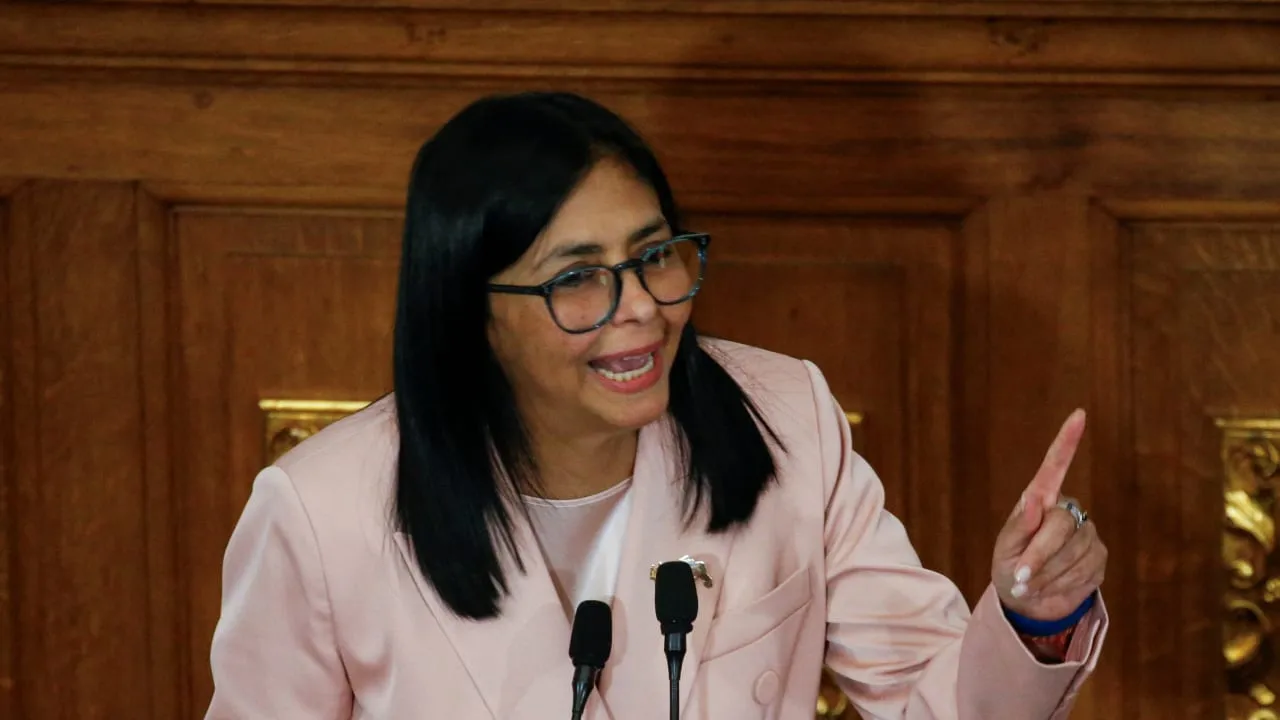
Following Maduro’s detention, Venezuela’s interim president, Delcy Rodríguez, was sworn in and issued a public statement addressed directly to the United States and the Trump administration.
“We prioritize moving towards balanced and respectful international relations between the United States and Venezuela,” Rodríguez said. “President Donald Trump, our peoples, and our region deserve peace and dialogue, not war.”
She emphasized that calls for diplomacy reflect the position of the Venezuelan state, adding that cooperation—not confrontation—remains the preferred path forward.
“This has always been President Nicolás Maduro’s message, and it is the message of all of Venezuela right now,” Rodríguez said. “We extend an invitation to the US government to work together on a cooperation agenda, aimed at shared development, within the framework of international law, and to strengthen lasting community coexistence.”
Rodríguez did not directly address the criminal charges against Maduro but questioned the legality of the operation and stressed the importance of sovereignty and international norms.
Trump Defends Operation
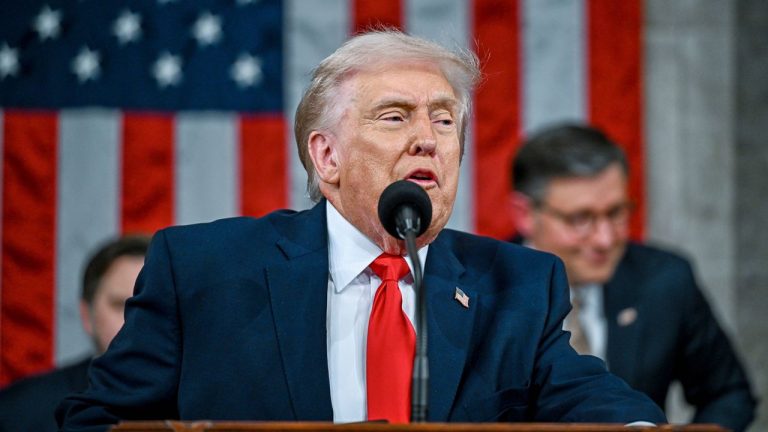
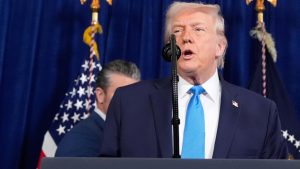
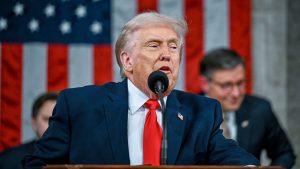
President Trump has rejected claims that US actions amounted to an invasion. Speaking to reporters, he characterized the operation as narrowly focused and legally justified.
“This was not an invasion. This was not an extended military operation,” Trump said. “This was law enforcement. We went in, we did what had to be done, and we got out.”
Trump has also stated that the United States will temporarily “run” Venezuela until what he described as a “safe, proper, and judicious transition” can be arranged. He has not clarified what governing Venezuela would entail, how long such an arrangement would last, or under what legal framework it would operate.
The president has suggested that Venezuela’s vast oil reserves—the largest confirmed reserves in the world—could play a role in stabilizing the country’s economy during the transition. However, no formal plan has been released.
International Condemnation and Concern
The operation has drawn swift and widespread condemnation from governments across Latin America and Europe. In a joint statement, Spain, Brazil, Chile, Colombia, Mexico, and Uruguay warned that US actions “constitute an extremely dangerous precedent for peace and regional security and endanger the civilian population.”
The statement urged restraint and called for respect for international law, emphasizing that political disputes must be resolved through diplomacy rather than force.
UK Prime Minister Keir Starmer also weighed in, stressing the importance of upholding international legal standards. While he stopped short of condemning the US operation outright, Starmer made clear that the United Kingdom had no involvement in the attack and urged all parties to de-escalate tensions.
Other global leaders and international organizations are expected to raise the issue at upcoming United Nations meetings, where questions of sovereignty, jurisdiction, and the legality of cross-border arrests are likely to dominate discussions.
Mixed Reactions at Home and Abroad
Reaction to Maduro’s arrest has been sharply divided. Some Venezuelans, particularly members of the opposition and those who fled the country during years of economic collapse, have welcomed his detention, viewing it as long-overdue accountability for alleged corruption and human rights abuses.
Others, including Maduro’s supporters and regional allies, have condemned the operation as an act of aggression and imperialism. Protests have been reported in several Venezuelan cities, with demonstrators demanding proof that Maduro is alive and calling for his immediate release.
Within the United States, lawmakers are split along partisan lines. Supporters of Trump argue that decisive action was necessary after years of failed diplomacy, while critics warn that the operation risks dragging the US into a prolonged and destabilizing conflict in South America.
What Comes Next
Maduro is expected to appear before a federal judge in New York in the coming days. Legal experts say the case could become one of the most complex international prosecutions in recent history, raising questions about jurisdiction, extradition, and the admissibility of evidence gathered overseas.
Meanwhile, uncertainty looms over Venezuela’s political future. With US forces asserting temporary control and an interim president calling for dialogue, the country faces a critical crossroads.
As global leaders debate the legality and consequences of the operation, the situation remains fluid. What is clear is that the arrest of Nicolás Maduro has dramatically altered the geopolitical landscape in the Western Hemisphere, with long-term implications for international law, US foreign policy, and the future of Venezuela itself.

Emily Johnson is a critically acclaimed essayist and novelist known for her thought-provoking works centered on feminism, women’s rights, and modern relationships. Born and raised in Portland, Oregon, Emily grew up with a deep love of books, often spending her afternoons at her local library. She went on to study literature and gender studies at UCLA, where she became deeply involved in activism and began publishing essays in campus journals. Her debut essay collection, Voices Unbound, struck a chord with readers nationwide for its fearless exploration of gender dynamics, identity, and the challenges faced by women in contemporary society. Emily later transitioned into fiction, writing novels that balance compelling storytelling with social commentary. Her protagonists are often strong, multidimensional women navigating love, ambition, and the struggles of everyday life, making her a favorite among readers who crave authentic, relatable narratives. Critics praise her ability to merge personal intimacy with universal themes. Off the page, Emily is an advocate for women in publishing, leading workshops that encourage young female writers to embrace their voices. She lives in Seattle with her partner and two rescue cats, where she continues to write, teach, and inspire a new generation of storytellers.