

NOTE:VIDEO AT THE END OF ARTICLE
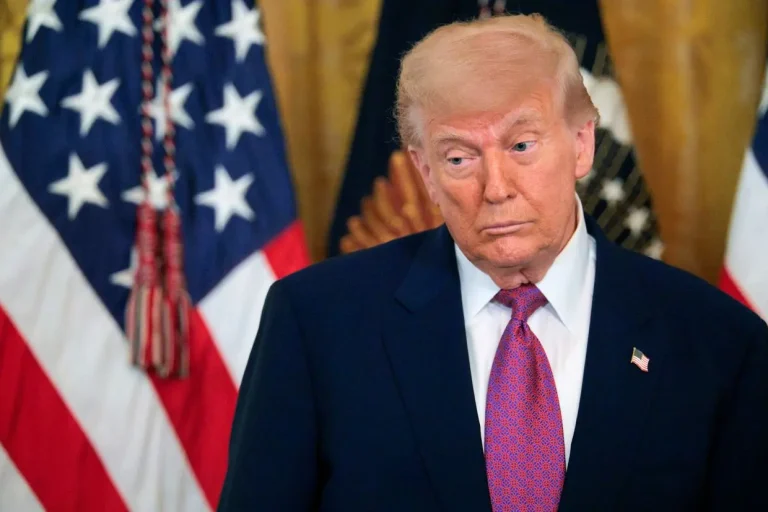
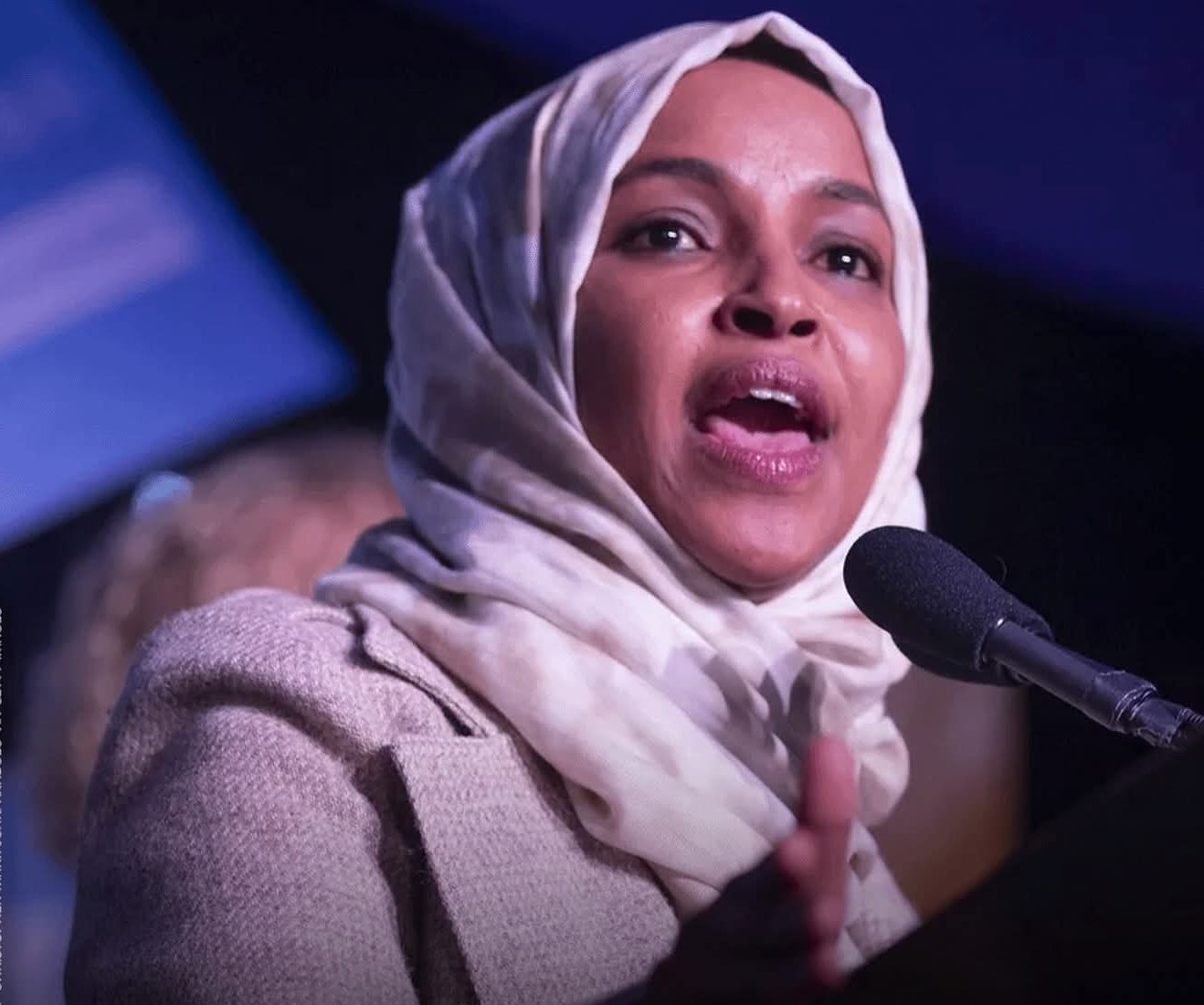
In a moment that captured national attention, Representative Ilhan Omar strongly condemned former President Donald Trump’s decision to deploy U.S. troops in response to widespread protests. Her message was blunt and alarming: this isn’t the America our Founding Fathers envisioned.
“This is shocking,” Omar said. “We’re watching a democratically elected government turn its military inward, not to defend freedom—but to silence it.”
Her comments referenced the large-scale protests sparked by police violence and systemic injustice. While some demonstrations did turn chaotic, the overwhelming majority were peaceful. Critics argue that deploying the military to suppress these movements was an overreach—a step too close to authoritarianism for a country built on dissent.
Omar, who experienced life under a dictatorship before finding refuge in the U.S., called it a “wake-up call for every American who cares about liberty.” Her experience gives her comments an edge others can’t replicate: she knows what state power looks like when it no longer respects its people.
The Bigger Picture
When the military is used to manage civil unrest, the line between protection and oppression gets blurry. Peaceful protest is a fundamental right. It’s how Americans have made their voices heard for generations—from civil rights to climate marches.
Using force to quiet criticism doesn’t show strength. It signals fear.
Why It Matters Now
The legacy of 2020’s protest response didn’t vanish with the change in administration. The tools, the tactics, the mindset—they’re still in the toolbox. And they could be used again.
Omar’s remarks aren’t just about one president. They’re about the future of democratic norms in the United States.
“We must decide whether we protect the Constitution when it’s convenient—or when it matters most,” she warned.
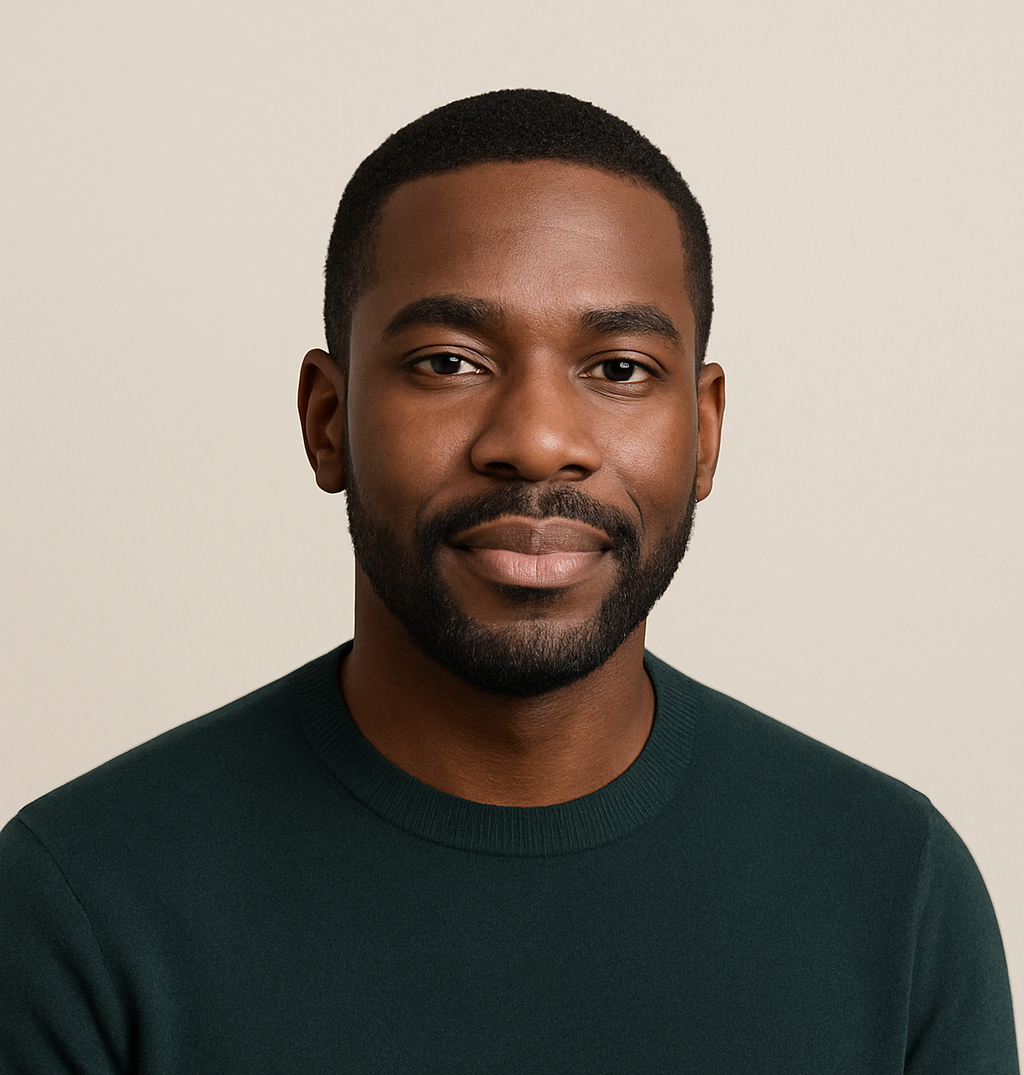
James Jenkins is a celebrated Pulitzer Prize-winning author whose work has reshaped the way readers think about social justice and human rights in America. Raised in Atlanta, Georgia, James grew up in a community that instilled in him both resilience and a strong sense of responsibility toward others. After studying political science and creative writing at Howard University, he worked as a journalist covering civil rights issues before dedicating himself fully to fiction. His novels are known for their sharp, empathetic portraits of marginalized communities and for weaving personal stories with broader political realities. Jenkins’s breakout novel, Shadows of Freedom, won national acclaim for its unflinching look at systemic inequality, while his more recent works explore themes of identity, resilience, and the fight for dignity in the face of oppression. Beyond his novels, James is an active public speaker, lecturing at universities and participating in nonprofit initiatives that support literacy and community empowerment. He believes that storytelling is a way to preserve history and inspire change. When not writing, James enjoys jazz music, mentoring young writers, and traveling with his family to explore cultures and stories around the world.