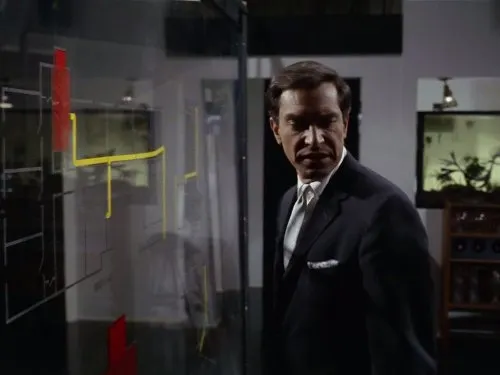
She lived a life shaped by opportunity, controversy, and quiet resilience—one that intersected with some of the most powerful cultural forces of the 20th century. Rising from a modest upbringing in Scandinavia to international fame, her journey carried her from European film sets to Hollywood soundstages, from box-office success to a marriage that challenged social norms in America at a pivotal moment in history.
Her death this month closes the final chapter on a career that bridged eras: the golden age of cinema, the turbulent 1960s, and the rise of television as a dominant cultural force. Although she had long stepped away from the spotlight, her legacy remains tied to both her artistic achievements and the personal choices that placed her at the center of public debate decades ago.
Officials confirmed she died peacefully of natural causes on December 11 at a medical center in California. She was 91.
From a Quiet Childhood to an Unexpected Discovery
Born in 1934 in Lidingö, Sweden, she was raised in a working-class household by a postal clerk father and a homemaker mother. Her early years were unremarkable by design—defined by routine, discipline, and modest expectations. There was little indication that she would one day become a recognizable face on movie screens around the world.
Her path changed abruptly at 18. While working as a photographer’s assistant in Stockholm, she was noticed by legendary Italian film producer Carlo Ponti. What might have seemed like a fleeting encounter became the gateway to a new life. Ponti recognized her striking presence and screen potential, and soon she was cast in a series of European films that introduced her to international audiences.
That chance discovery set in motion a career that would carry her far from Sweden and into the heart of Hollywood.
Hollywood Beckons
By the late 1950s, she had signed a contract with 20th Century Fox and relocated to the United States. Her arrival coincided with a period when Hollywood was actively seeking fresh European talent to revitalize its image and broaden its appeal.
Her early English-language roles came quickly. She appeared in the Korean War drama The Hunters (1957), followed by The Young Lions (1958), where she starred opposite Marlon Brando. The film was a commercial success and cemented her status as a rising star, admired for her poise, emotional depth, and distinctly European elegance.
Hollywood critics noted her ability to balance vulnerability with confidence—a quality that distinguished her from many of her contemporaries.
A Defining Role
Her most iconic performance arrived in 1959, when she was cast as Lola-Lola in a remake of The Blue Angel. The role, famously associated with Marlene Dietrich, was considered risky. Many expected a more established American star to be chosen.
Instead, she delivered a performance that surprised audiences and critics alike. Her portrayal of the provocative cabaret singer was bold without being imitative, sensual without excess. The film became a defining moment in her career, firmly establishing her as a Hollywood leading lady.
She followed this success with a starring role in the gangster drama Murder, Inc., where her singing and dancing talents were again on display.
A Marriage That Shook the Nation
At the height of her fame, her personal life began to eclipse her professional achievements. After a brief first marriage ended in divorce, she entered a relationship that would place her at the center of a national controversy.
She married one of America’s most celebrated entertainers—a member of the Rat Pack and a cultural icon—during a time when interracial marriage was still illegal in much of the United States. The wedding, conducted in a Jewish ceremony in Los Angeles, drew widespread media attention and intense public reaction.
The backlash was swift and, at times, brutal. The couple faced hostility, political pressure, and social exclusion. Even allies urged them to delay their marriage to avoid political fallout during a presidential election year.
Despite the obstacles, they moved forward, becoming one of the most visible interracial couples of their era.
Family, Faith, and Public Scrutiny
During their marriage, she converted to Judaism, sharing her husband’s faith and supporting him amid relentless public scrutiny. The couple welcomed a daughter in 1961 and later adopted two sons, settling into life in a Beverly Hills mansion once owned by famed producer David O. Selznick.
Yet the pressures of fame and constant attention took their toll. After eight years of marriage—and amid rumors of infidelity—the couple divorced. Though the relationship ended, she would later reflect on it without bitterness, saying she had married the man she loved.
Their daughter, who later wrote about her parents, died in 2020 at age 59 after a brief illness, a loss that deeply affected her in later years.
A Shift to Television
As film roles became less frequent, she transitioned to television, appearing in numerous series throughout the 1960s. One of her most notable later roles came in 1969, when she joined the original Mission: Impossible television series, playing a recurring character that introduced her to a new generation of viewers.
While no longer a box-office star, she remained respected within the industry for her professionalism and versatility.
Life Beyond the Spotlight
After her divorce, she largely withdrew from public life. She married twice more, finding long-term companionship with her third husband, an entertainment executive and horse breeder, whom she married in 1993. They remained together until his death in 2017.
In interviews late in life, she spoke rarely but thoughtfully about her past, expressing gratitude rather than regret. She never sought to reclaim celebrity status, choosing instead a quieter existence centered on family.
The Name Behind the Story
The woman whose life intersected with Hollywood glamour, political controversy, and cultural change was May Britt—the Swedish-born actress best known for The Blue Angel, The Young Lions, Murder, Inc., and her role on Mission: Impossible.
She was also the second wife of entertainer Sammy Davis Jr., a relationship that made history and reflected the social tensions of its time.
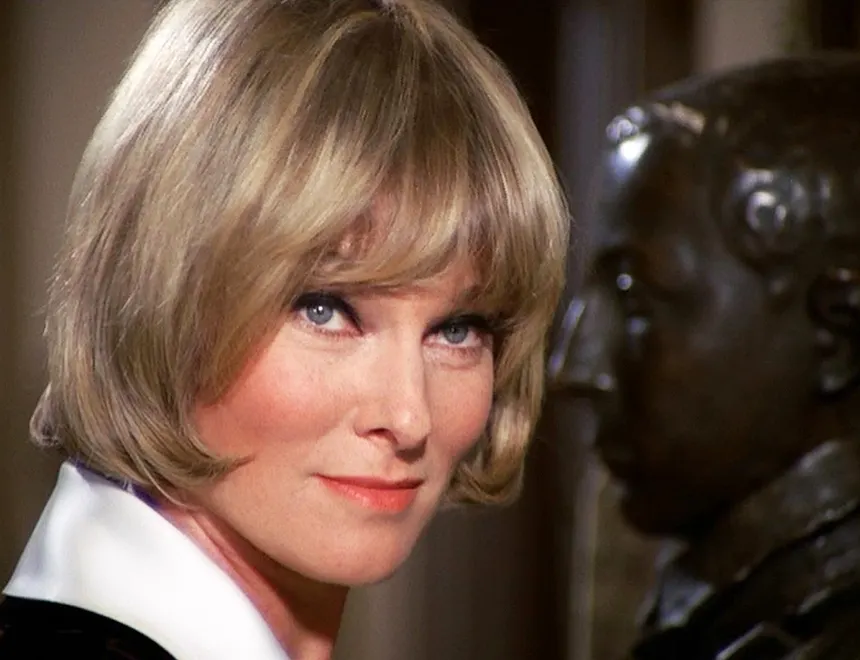
Remembering a Complex Legacy
May Britt’s life cannot be reduced to a single role or relationship. She was an actress who seized opportunity, a woman who made personal choices that challenged societal norms, and a figure whose story mirrors a transformative period in American culture.
She is survived by her sons, her sister Margot, and six grandchildren.
Though she stepped away from fame long ago, her legacy endures—as a performer, a pioneer, and a reminder of how art and personal courage can intersect in ways that shape history.

Emily Johnson is a critically acclaimed essayist and novelist known for her thought-provoking works centered on feminism, women’s rights, and modern relationships. Born and raised in Portland, Oregon, Emily grew up with a deep love of books, often spending her afternoons at her local library. She went on to study literature and gender studies at UCLA, where she became deeply involved in activism and began publishing essays in campus journals. Her debut essay collection, Voices Unbound, struck a chord with readers nationwide for its fearless exploration of gender dynamics, identity, and the challenges faced by women in contemporary society. Emily later transitioned into fiction, writing novels that balance compelling storytelling with social commentary. Her protagonists are often strong, multidimensional women navigating love, ambition, and the struggles of everyday life, making her a favorite among readers who crave authentic, relatable narratives. Critics praise her ability to merge personal intimacy with universal themes. Off the page, Emily is an advocate for women in publishing, leading workshops that encourage young female writers to embrace their voices. She lives in Seattle with her partner and two rescue cats, where she continues to write, teach, and inspire a new generation of storytellers.