NOTE: VIDEO AT THE END OF ARTICLE
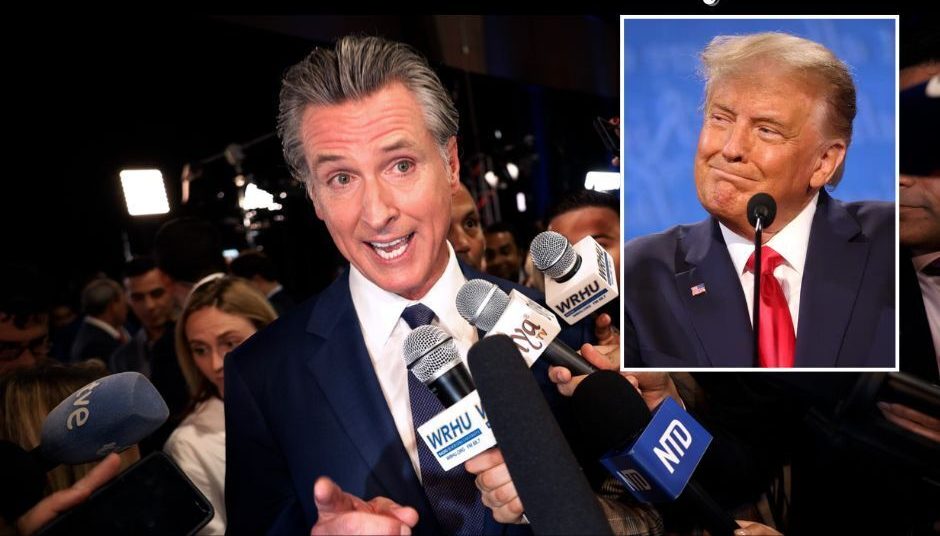
A sharp policy clash between the White House and California intensified Thursday as President Donald Trump officially reversed several of the state’s major climate initiatives, including its high-profile ban on the sale of new gas-powered vehicles.
At a signing ceremony in Washington, Trump approved three congressional resolutions that nullify state-level emissions regulations, effectively blocking California’s efforts to ban gas-powered cars and trucks by 2035. The move also halts a law restricting diesel-powered medium- and heavy-duty trucks, a central part of Governor Gavin Newsom’s push toward statewide net-zero emissions by 2045.
“These laws were crazy,” Trump said. “We’re bringing back choice, affordability, and better cars.”
The president’s action dismantles one of the nation’s most ambitious climate strategies. Newsom’s plan, first introduced in 2020, made California a national leader in electric vehicle adoption and environmental regulation. Critics, however, have argued that the policies placed burdensome costs on consumers and businesses, especially in transportation and freight sectors.
Trump, who has often criticized electric vehicles and renewable energy projects, doubled down on those views during the signing event. He expressed doubts about the long-term viability of EVs and joked about wind power and electric boats, saying, “I’ll take electrocution over sharks any day.”
Despite his criticisms, Trump offered praise for Tesla, signaling a potential thaw in relations with CEO Elon Musk. Musk had recently issued a public apology for earlier disagreements with the Trump administration, though no formal partnership or policy shift was announced.
Business leaders, including Bill Kent of the California-based Kent Kwik convenience chain, attended the event and welcomed the policy reversal. Kent argued that removing the EV mandate would save businesses from expensive infrastructure investments with limited returns.
“This gives us freedom,” Kent said. “We can invest where it makes sense for our operations and our customers.”
The policy reversal is expected to spark legal challenges and further tension between California and federal regulators. Governor Newsom has yet to issue a formal response, but environmental advocates have criticized the rollback, warning it could slow progress on national climate goals.
With federal authority overriding state-level emissions restrictions, the future of California’s climate roadmap is now uncertain.

James Jenkins is a celebrated Pulitzer Prize-winning author whose work has reshaped the way readers think about social justice and human rights in America. Raised in Atlanta, Georgia, James grew up in a community that instilled in him both resilience and a strong sense of responsibility toward others. After studying political science and creative writing at Howard University, he worked as a journalist covering civil rights issues before dedicating himself fully to fiction. His novels are known for their sharp, empathetic portraits of marginalized communities and for weaving personal stories with broader political realities. Jenkins’s breakout novel, Shadows of Freedom, won national acclaim for its unflinching look at systemic inequality, while his more recent works explore themes of identity, resilience, and the fight for dignity in the face of oppression. Beyond his novels, James is an active public speaker, lecturing at universities and participating in nonprofit initiatives that support literacy and community empowerment. He believes that storytelling is a way to preserve history and inspire change. When not writing, James enjoys jazz music, mentoring young writers, and traveling with his family to explore cultures and stories around the world.