




The man accused of killing conservative activist Charlie Kirk made his first official court appearance this week — and his words were as chillingly brief as his demeanor.
On September 16, 2025, 22-year-old Tyler James Robinson appeared virtually before Utah County Judge Tony Graf for an arraignment that marked the start of what is expected to become one of the most closely watched trials in recent political history.
Robinson, shackled and dressed in an anti-suicide smock from Utah County Jail, spoke only three words when asked to confirm his identity: “Tyler James Robinson.”
Observers described his expression as “flat” and “emotionless.” Judge Graf thanked him for appearing and quickly ordered that he remain in custody without bail.
That short exchange — just seconds long — stood in stark contrast to the immense attention surrounding the case, the political stakes at play, and the growing public anger over what prosecutors are calling a “targeted political execution.”
A Gunshot Heard Around the World
The case traces back to September 10, when Robinson allegedly fired a single round at Kirk during a public appearance at Utah Valley University.
Kirk, who was in the middle of a Q&A with a left-leaning student, was struck in the neck. The incident immediately sent shockwaves across campuses, airwaves, and social media.
Within minutes, the scene became chaotic. Students fled. Law enforcement swarmed. News cameras rushed in.
What followed was a 33-hour manhunt that saw multiple false leads, botched arrests, and widespread speculation online. In the end, it was Robinson’s own father who reportedly turned him in to authorities.
Mounting Charges
Prosecutors are pursuing a sweeping case against Robinson.
He faces seven criminal counts, including:
-
Felony discharge of a firearm resulting in death.
-
Two counts of obstruction of justice, involving allegedly moving the firearm and disposing of clothing worn during the shooting.
-
Two counts of witness tampering, including pressuring his roommate to “delete messages” and “stay quiet.”
-
One count of committing a violent crime in the presence of children, since students under 18 were present at the event.
Utah County Attorney Jeff Gray confirmed at a press conference that the state will pursue the death penalty, citing multiple aggravating factors.
“When asked why he did it,” Gray revealed, “Robinson explained, ‘There’s too much evil and the guy [Kirk] spreads too much hate.’”
A “Soulless” First Appearance
Even with such charges looming over him, Robinson showed no signs of remorse in his short court appearance.
Independent journalist Clyp Keeper shared an image of Robinson on social media, writing:
“I zoomed in on his face as the charges and sentencing that come with these crimes were read to him. He shows zero regret or emotions as he’s told the State will seek the death penalty. How does a 22-year-old become so soulless?”
The post quickly went viral, drawing thousands of comments questioning Robinson’s state of mind — and whether ideology, mental health, or outside influences played the largest role in his alleged act.
Leaked Messages, Troubling Signs
Leaked group chats circulating online appear to show Robinson talking openly about Kirk.
In one message, he allegedly wrote: “I had the opportunity to take out Charlie Kirk, and I’m going to take it.”
Prosecutors also allege Robinson told his roommate in advance to be prepared to delete messages.
Court documents suggest Robinson repeatedly referred to Kirk as “evil” in his private chats, framing the shooting as an attempt to silence someone he viewed as dangerous.
Such leaks have fueled speculation about whether Robinson acted alone or was part of a broader network. The FBI has confirmed that online forums and Discord groups connected to Robinson are under active investigation.
Political Shockwaves
The case has become more than just a criminal proceeding — it is a political lightning rod.
For Kirk’s supporters, the shooting represents the dangerous radicalization of political violence on campuses. For critics, it has reignited debates about free speech, extremism, and security for controversial figures who tour universities.
Prominent Republicans have blasted the incident as proof that hostility toward conservative voices has spiraled out of control. Florida Governor Ron DeSantis called it “a direct attack on free expression.”
Meanwhile, Democrats have largely avoided public commentary, with some urging caution until the trial reveals more facts.
Next Steps in the Trial
Robinson will return to court on September 29 with a court-appointed attorney.
Legal experts predict the trial could stretch months, if not years, given the complexity of the evidence, the potential involvement of federal charges, and the high profile of the victim.
At stake is not only Robinson’s fate — possibly life in prison or execution — but also the broader political narrative around campus security, ideological violence, and the limits of public discourse in America.
A Nation Watches
As Robinson’s three words echoed in a silent courtroom, the moment underscored how far this case has yet to go.
On one side is the grieving family of Charlie Kirk, his supporters, and a conservative movement claiming martyrdom. On the other is a young man, now branded a cold-blooded killer, who may spend the rest of his life behind bars — or face execution.
The trial promises to bring weeks of testimony, mountains of digital evidence, and no shortage of political theater.
But for now, all the nation has from Robinson are three words: “Tyler James Robinson.”
And for many, that silence speaks louder than any explanation ever could.
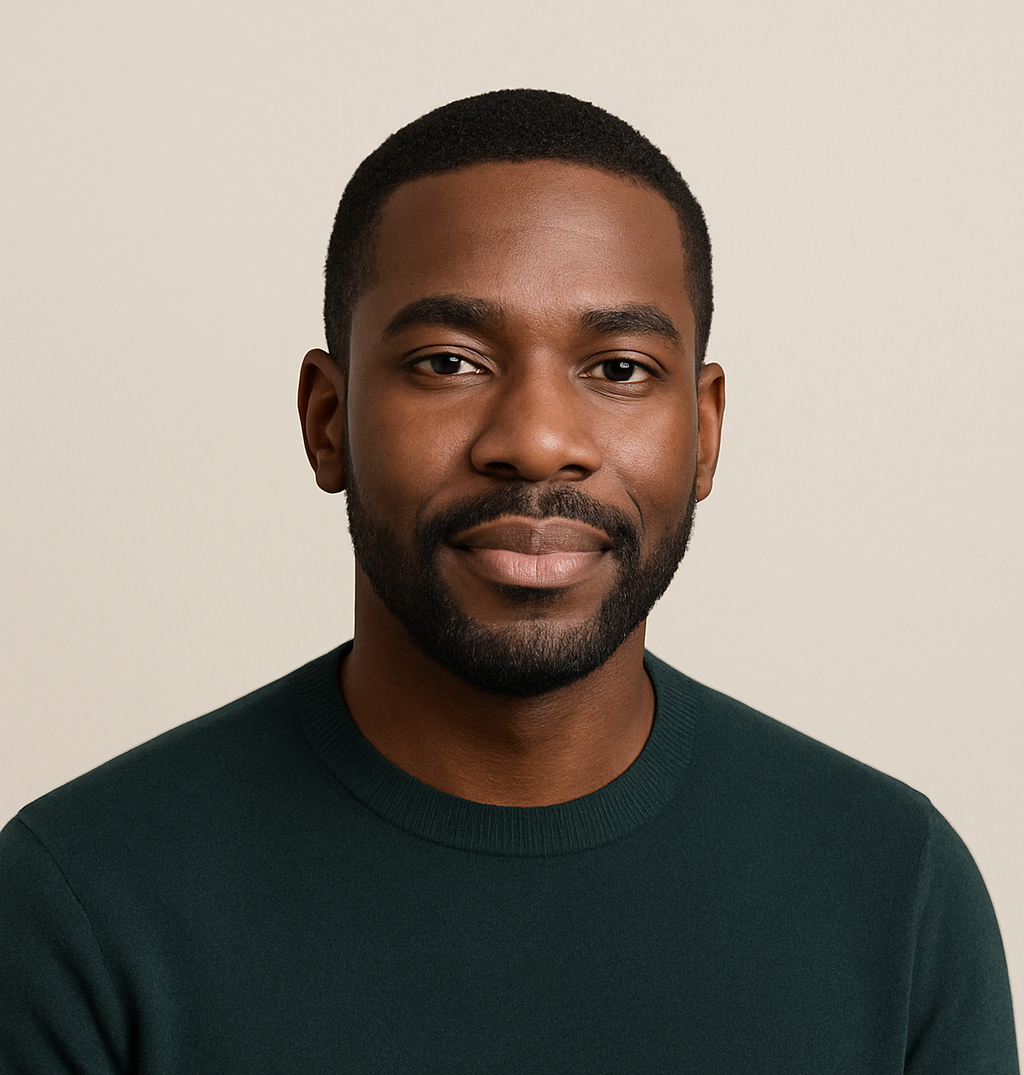
James Jenkins is a celebrated Pulitzer Prize-winning author whose work has reshaped the way readers think about social justice and human rights in America. Raised in Atlanta, Georgia, James grew up in a community that instilled in him both resilience and a strong sense of responsibility toward others. After studying political science and creative writing at Howard University, he worked as a journalist covering civil rights issues before dedicating himself fully to fiction. His novels are known for their sharp, empathetic portraits of marginalized communities and for weaving personal stories with broader political realities. Jenkins’s breakout novel, Shadows of Freedom, won national acclaim for its unflinching look at systemic inequality, while his more recent works explore themes of identity, resilience, and the fight for dignity in the face of oppression. Beyond his novels, James is an active public speaker, lecturing at universities and participating in nonprofit initiatives that support literacy and community empowerment. He believes that storytelling is a way to preserve history and inspire change. When not writing, James enjoys jazz music, mentoring young writers, and traveling with his family to explore cultures and stories around the world.