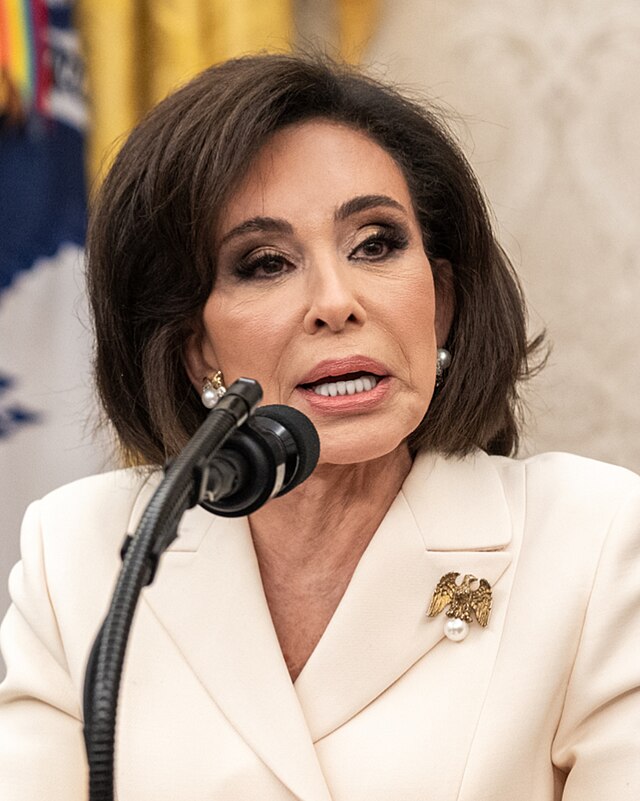
U.S. Attorney for the District of Columbia Jeanine Pirro has unveiled one of the largest law-enforcement operations in Washington’s recent history — a coordinated series of arrests and indictments aimed at dismantling what federal authorities describe as a violent, multi-state drug trafficking network.
The announcement marks a high-profile moment in the Trump administration’s newly declared “crime emergency” in the nation’s capital — an initiative designed to tackle spiraling violent crime and narcotics trafficking through an unprecedented federal intervention.
Speaking from the Department of Justice headquarters on Pennsylvania Avenue, Pirro declared that “the rule of law has returned to Washington.” Flanked by senior officials from the FBI, DEA, and the Metropolitan Police Department, she outlined the results of a year-long investigation that culminated in dozens of raids carried out across Washington, Maryland, and California.
“This operation is a clear message,” Pirro said. “Drug dealers, violent offenders, and criminal networks have no safe haven in our nation’s capital. We will find them, arrest them, and prosecute them to the full extent of the law.”
Federal Operation and Arrests
According to the Justice Department, the FBI, working jointly with the Drug Enforcement Administration and local D.C. police, executed approximately 20 federal search warrants across three jurisdictions — Washington, Maryland, and Los Angeles. The targets were linked to a major distribution ring allegedly responsible for trafficking PCP and fentanyl throughout the D.C. metropolitan area.
Federal agents seized 18 firearms during the coordinated raids, including an AR-style rifle, a shotgun, a Draco-style pistol, and several handguns modified with extended magazines. They also confiscated more than two kilograms of suspected narcotics, over $50,000 in cash, and a pill press used to manufacture counterfeit fentanyl tablets.
Pirro’s office has announced indictments against eight defendants. Seven are already in custody:
-
Leonard Edwards, 52, of Washington, D.C.
-
Eric “Marbury” Prather, 43, of Washington, D.C.
-
Thomas Wilton Hancock Jr., also known as “Fresh,” 43, of Baltimore, Maryland
-
Sarda Smith, 36, of Oxon Hill, Maryland
-
Michael Thomas, 49, of Los Angeles, California
-
Reginald Lassiter, 39, of Washington, D.C.
-
Darryl Riley, 39, of Washington, D.C.
An eighth suspect remains at large, with prosecutors confirming that the indictment against that individual remains sealed pending arrest.
FBI Acting Assistant Director in Charge Phil Bates said the group was “well organized, well armed, and operating across multiple states,” calling the bust “a significant blow to fentanyl and PCP trafficking in the District.” DEA Special Agent in Charge Christopher Goumenis echoed that sentiment, noting that the organization “used sophisticated methods of distribution and concealment” that required “months of undercover work, wiretaps, and cross-agency coordination.”
A Federal Crime Emergency
The sweeping arrests come just weeks after President Donald Trump declared a “crime emergency” in Washington, D.C., citing what he called an “unacceptable surge in homicides, drug overdoses, and gang activity.” The declaration gave the federal government expanded powers to coordinate law enforcement operations in the capital, allowing hundreds of National Guard troops and federal agents to assist local police.
Under the emergency directive, the federal government has also assumed greater oversight of the Metropolitan Police Department — a move that has sparked both praise and controversy.
Supporters of the crackdown say the intervention has brought visible change, pointing to dozens of gun seizures and hundreds of arrests since August 2025. “Washington was becoming lawless,” one senior White House official said. “The President’s directive put federal law enforcement back in control, and this is exactly the result we expected — tangible, measurable progress.”
Critics, however, see the move as a dangerous expansion of executive power. Civil liberties groups and several members of the D.C. Council have raised alarms about the militarization of city policing and the blurring of lines between federal and local authority.
Councilmember Brooke Pinto said in a statement, “Public safety is a priority for all of us, but deploying the National Guard on city streets and placing local police under federal command sets a deeply concerning precedent.”
Pirro, when asked about these concerns, defended the administration’s actions. “This isn’t about politics,” she said. “It’s about saving lives. The people of Washington deserve safety and order, and that’s what we are delivering.”
Shifting Policy on Gun Prosecutions
Alongside the arrests, Pirro announced a significant policy change regarding firearm prosecutions — one that immediately sparked debate within legal circles.
Under the new directive, the U.S. Attorney’s Office for D.C. will no longer pursue felony charges under local law for simple possession of rifles or shotguns. Instead, federal prosecutors will focus exclusively on cases involving violent offenses, prior felons, or individuals barred from owning firearms.
Local D.C. prosecutors will still be able to file charges for unregistered firearms, but the nation’s largest federal prosecutor’s office will now align its approach with a series of recent Supreme Court rulings expanding gun rights.
Pirro cited the Supreme Court’s 2008 District of Columbia v. Heller decision, which struck down the city’s handgun ban, and the 2022 decision that overturned New York’s concealed carry restrictions, as legal precedents guiding the change.
“A blanket ban on possessing shotguns and rifles cannot stand under the Supreme Court’s guidance,” Pirro explained. “We will continue to seize illegal, unlicensed, and stolen weapons — but we will not waste taxpayer resources prosecuting law-abiding citizens who exercise their constitutional rights.”
She clarified that the new policy does not apply to handguns or high-capacity magazines, which remain subject to both local and federal restrictions.
The announcement drew immediate praise from Second Amendment advocacy groups, who called it a “long-overdue correction to D.C.’s outdated firearm laws.” But gun-control advocates sharply criticized the move, arguing it would make the city less safe.
“The District already faces a surge in shootings,” said activist Shannon Watts. “Rolling back prosecutions for illegal firearms possession sends the wrong message at the worst possible time.”
Legal and Political Challenges
Pirro’s aggressive approach to law enforcement has drawn both admiration and criticism since her appointment. Known for her tough-on-crime rhetoric and combative style, the former New York judge and television host has quickly become one of the administration’s most visible prosecutors.
Yet her tenure has also faced early turbulence. In recent weeks, two high-profile cases brought by her office failed to result in indictments after D.C. grand juries declined to move forward. One of those involved Nathalie Rose Jones, who had been arrested for allegedly threatening the president. Despite Pirro’s public statements about the arrest, the grand jury refused to indict, citing insufficient evidence.
Defense attorneys have accused Pirro of “overcharging” in politically sensitive cases to generate media attention. But her supporters argue that she is restoring public confidence in law enforcement after years of leniency and dysfunction in the D.C. judicial system.
“She’s fearless,” said one Justice Department official. “She doesn’t care about optics — she cares about justice. The people who don’t like her are the same ones who have allowed this city to fall into chaos.”
Legal analysts note that Pirro’s style closely mirrors President Trump’s broader “law and order” agenda — one that emphasizes decisive enforcement actions, high visibility, and symbolic victories. The success of the D.C. crackdown could have national implications if it’s seen as a model for other cities struggling with crime.
A Measured Victory — And Lingering Questions
The arrests announced this week represent a tangible success for the federal task force, but they also highlight the complexity of enforcing federal law in a city that operates under overlapping jurisdictions. While federal agencies coordinate with local police, questions persist about how long the “crime emergency” will remain in effect — and whether D.C. will regain full control of its police force once it ends.
For now, Pirro insists her focus remains fixed on violent crime and organized drug trafficking. “Our priority is clear,” she said. “We will dismantle criminal networks that poison our communities, and we will not allow D.C. to be a haven for drug dealers or repeat offenders.”
She concluded her remarks with a line that echoed both her courtroom persona and her television past: “Justice isn’t just a word — it’s a promise. And in this city, that promise is being kept.”
While debate continues over the balance between federal authority and local autonomy, there is no question that the administration’s sweeping actions have reshaped the city’s law-enforcement landscape. With multiple defendants behind bars, weapons seized, and a new firearm policy in place, the Justice Department’s campaign under Jeanine Pirro’s leadership has entered a defining phase — one that could determine the trajectory of crime policy not just in Washington, but across the nation.
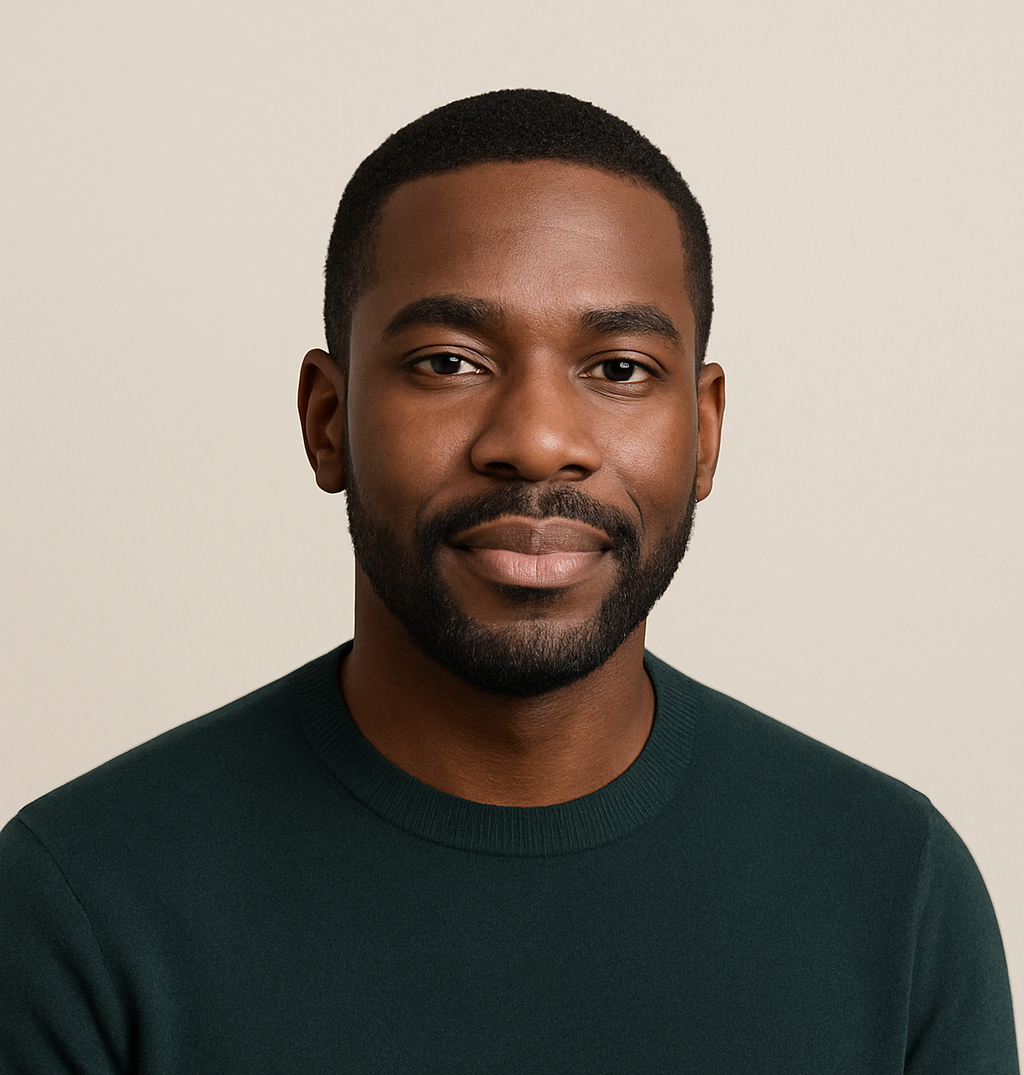
James Jenkins is a celebrated Pulitzer Prize-winning author whose work has reshaped the way readers think about social justice and human rights in America. Raised in Atlanta, Georgia, James grew up in a community that instilled in him both resilience and a strong sense of responsibility toward others. After studying political science and creative writing at Howard University, he worked as a journalist covering civil rights issues before dedicating himself fully to fiction. His novels are known for their sharp, empathetic portraits of marginalized communities and for weaving personal stories with broader political realities. Jenkins’s breakout novel, Shadows of Freedom, won national acclaim for its unflinching look at systemic inequality, while his more recent works explore themes of identity, resilience, and the fight for dignity in the face of oppression. Beyond his novels, James is an active public speaker, lecturing at universities and participating in nonprofit initiatives that support literacy and community empowerment. He believes that storytelling is a way to preserve history and inspire change. When not writing, James enjoys jazz music, mentoring young writers, and traveling with his family to explore cultures and stories around the world.