


Faith, Politics, and a National Debate Reignited
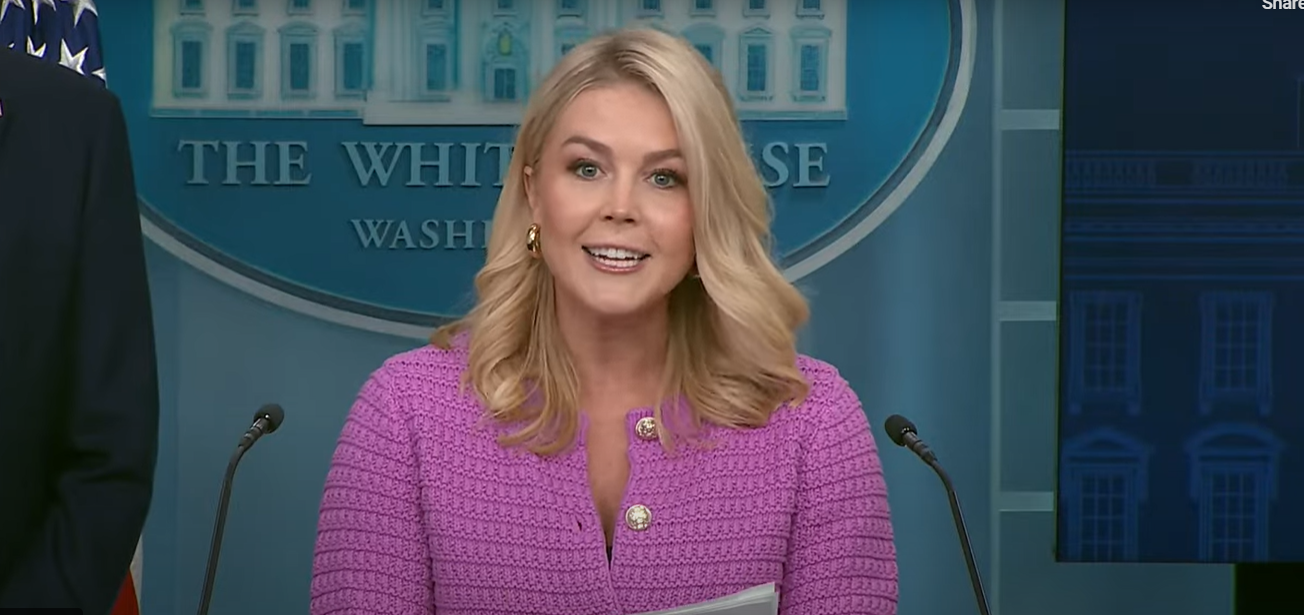
White House press secretary Karoline Leavitt condemned remarks made by her predecessor, Jen Psaki, after the deadly shooting at Annunciation Catholic Church in Minneapolis. The tragedy left two children dead and more than a dozen others injured, yet the national conversation quickly shifted toward the role of faith in public life.
Psaki, who served as press secretary under President Joe Biden, posted on X that she had “enough” of Christians offering “thoughts and prayers” after acts of violence. Her comments drew swift backlash, with Leavitt calling them “deeply disrespectful” to millions of Americans.
Leavitt’s Response
In an interview with Daily Caller correspondent Reagan Reese, Leavitt argued that Psaki’s words were offensive at a time when many families were mourning.
“I saw the comments of my predecessor, Ms. Psaki, and frankly I think they’re incredibly insensitive and disrespectful to the tens of millions of people with faith across this country who believe in the power of prayer,” Leavitt said.
She added that in moments of national grief, prayer serves as both comfort and strength for believers. “When beautiful young children were killed while praying in a church, it’s utterly disrespectful to deride the power of prayer in this country. And it’s disrespectful to the millions of people of faith. I would encourage Ms. Psaki to pray for these families themselves, who need it right now more than ever.”
Broader Political Reactions
Leavitt’s defense of faith mirrored sentiments expressed by many conservative leaders, while others aligned with Psaki’s perspective. Minneapolis Mayor Jacob Frey also urged residents not to rely on “thoughts and prayers,” saying action was needed instead.
His remarks received praise from Democratic Senator Amy Klobuchar and CNN host Dana Bash, signaling a sharp divide over how political leaders should address national tragedies.
The clash reflects an ongoing debate in American culture: whether expressions of faith are an essential response to grief, or a substitute for policy changes.
https://twitter.com/charliekirk11/status/1961126369288708540
Details of the Tragedy
Authorities identified the shooter as Robin Westman, who entered the church through a stained-glass window during morning mass. Armed with three legally purchased firearms, Westman killed two children, ages eight and ten, and wounded 17 others.
Investigators later recovered writings indicating struggles with gender identity and mental health. The documents revealed deep regret over past decisions and feelings of not belonging.
Law enforcement confirmed the firearms had been bought recently and legally, raising questions about the effectiveness of current screening processes.
National Questions Raised
The incident has reopened contentious debates around multiple issues:
-
The role of faith and prayer in public mourning
-
Access to firearms and background checks
-
Mental health treatment and its intersection with gender identity
-
The tone of national leaders when addressing tragedies
For Leavitt, the focus remained on the value of prayer as a unifying force during grief. For Psaki and her supporters, the emphasis was on demanding more tangible solutions to prevent such violence.
Looking Ahead
As officials continue to investigate the shooter’s background, the broader conversation is unlikely to subside soon. Questions about how Americans balance faith, policy, and responsibility will remain at the forefront.
For now, families in Minneapolis are left grieving, while the country once again faces the painful intersection of violence, politics, and culture.
https://twitter.com/libsoftiktok/status/1960777774349869134

James Jenkins is a celebrated Pulitzer Prize-winning author whose work has reshaped the way readers think about social justice and human rights in America. Raised in Atlanta, Georgia, James grew up in a community that instilled in him both resilience and a strong sense of responsibility toward others. After studying political science and creative writing at Howard University, he worked as a journalist covering civil rights issues before dedicating himself fully to fiction. His novels are known for their sharp, empathetic portraits of marginalized communities and for weaving personal stories with broader political realities. Jenkins’s breakout novel, Shadows of Freedom, won national acclaim for its unflinching look at systemic inequality, while his more recent works explore themes of identity, resilience, and the fight for dignity in the face of oppression. Beyond his novels, James is an active public speaker, lecturing at universities and participating in nonprofit initiatives that support literacy and community empowerment. He believes that storytelling is a way to preserve history and inspire change. When not writing, James enjoys jazz music, mentoring young writers, and traveling with his family to explore cultures and stories around the world.