

The Trump administration has begun painting sections of the southern border wall black — a change officials say will make it more difficult for individuals to climb.
Homeland Security Secretary Kristi Noem confirmed the development during a press conference in Santa Teresa, New Mexico, on Tuesday.
The decision, made at the request of President Donald Trump, is aimed at using heat absorption to create an additional barrier for anyone attempting to scale the wall.
“Now, if you look at the structure that’s behind me, it’s tall, which makes it very, very difficult to climb, almost impossible,” Noem said.
“It also goes deep into the ground, which would make it very difficult, if not impossible, to dig under. And today, we are also going to be painting it black. That is specifically at the request of the president, who understands that in the hot temperatures down here, when something is painted black, it gets even warmer, and it will make it even harder for people to climb.”
The Department of Homeland Security stated that the painting process is already underway along several miles of the wall. Officials believe the darker color will increase surface temperatures in the desert sun, making scaling attempts riskier and less likely.
The measure is the latest in a series of steps taken by the Trump administration to strengthen security at the U.S.-Mexico border. Since taking office, President Trump has prioritized expanding and reinforcing the wall, framing it as a cornerstone of his immigration enforcement strategy.
The decision to paint the wall black drew swift criticism from Democrats, who labeled it unnecessary and symbolic. They argued that the administration’s focus on physical alterations to the barrier ignores broader policy challenges in immigration.
Supporters countered that each change adds to the wall’s deterrent power. They noted that the existing design already includes steel bollards embedded deep underground and topped with anti-climb features — and painting the wall black is an inexpensive way to make it even more effective.
The press conference highlighted ongoing security efforts in New Mexico, one of the states most impacted by illegal crossings. While no exact timeline has been released for completion, DHS said work is being prioritized in areas with the highest traffic.
The painting initiative is part of a larger strategy that includes expanding detention capacity, increasing cooperation with state and local authorities, and deploying more personnel and technology to high-risk areas.
Secretary Noem stressed that the wall — reinforced with such enhancements — represents a comprehensive deterrent. “Every layer matters. Every tool makes a difference. This is about protecting American communities and upholding the law,” she said.
The border wall project remains one of the most divisive issues in Washington. Republicans have championed its expansion as essential to national security, while Democrats continue to oppose it. Despite political battles, the administration has pressed forward — and now, with the new black paint, Trump officials say they are taking yet another step to reinforce the wall’s effectiveness.
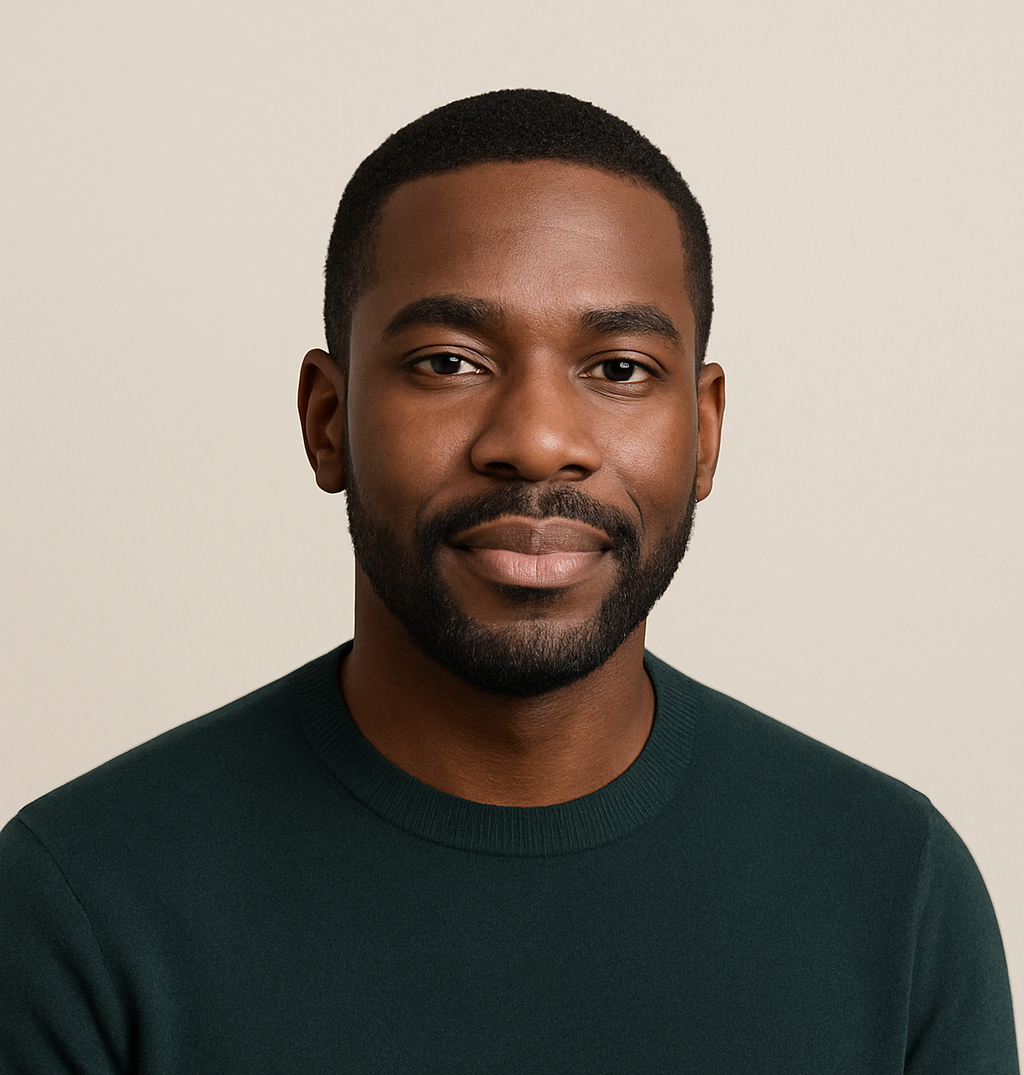
James Jenkins is a celebrated Pulitzer Prize-winning author whose work has reshaped the way readers think about social justice and human rights in America. Raised in Atlanta, Georgia, James grew up in a community that instilled in him both resilience and a strong sense of responsibility toward others. After studying political science and creative writing at Howard University, he worked as a journalist covering civil rights issues before dedicating himself fully to fiction. His novels are known for their sharp, empathetic portraits of marginalized communities and for weaving personal stories with broader political realities. Jenkins’s breakout novel, Shadows of Freedom, won national acclaim for its unflinching look at systemic inequality, while his more recent works explore themes of identity, resilience, and the fight for dignity in the face of oppression. Beyond his novels, James is an active public speaker, lecturing at universities and participating in nonprofit initiatives that support literacy and community empowerment. He believes that storytelling is a way to preserve history and inspire change. When not writing, James enjoys jazz music, mentoring young writers, and traveling with his family to explore cultures and stories around the world.