Introduction
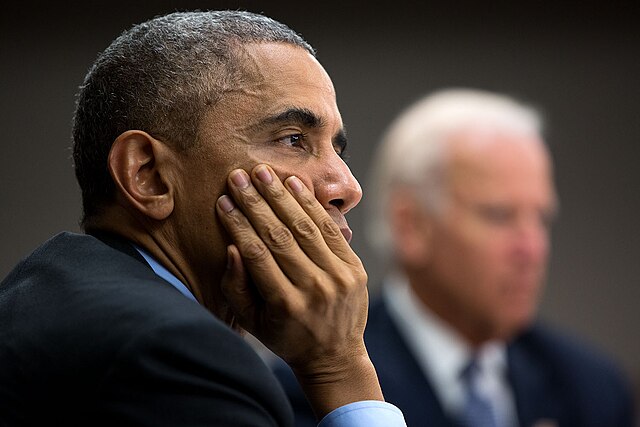
The debate over presidential immunity has taken a dramatic turn. A growing chorus of voices is questioning whether former President Barack Obama is fully shielded from legal consequences tied to the Trump–Russia collusion controversy. The issue is not just legal theory — it could set a precedent affecting every future president.
What Sparked the Debate?
In recent months, legal experts have revisited a contentious chapter of U.S. political history. At the center is the January 2017 Intelligence Community Assessment (ICA). Critics claim it was used to lend credibility to unverified allegations connecting Donald Trump’s campaign to Russia.
Mike Davis, president of the Article III Project and a former law clerk for Justice Neil Gorsuch, says presidential immunity has limits. In his view, while actions taken during a presidency are protected, anything after leaving office is another matter. “They don’t cover his actions when he’s the former President,” Davis argued. He also described the matter as an “ongoing criminal conspiracy.”
The Steele Dossier Controversy
The ICA included references to the Steele dossier — a file compiled by former British intelligence officer Christopher Steele. It was the only section directly alleging Trump–Russia collusion. Even within the intelligence community, its reliability was questioned. Still, senior officials in the Obama administration reportedly directed its inclusion.
The report concluded that Russian President Vladimir Putin had sought to influence the 2016 election in Trump’s favor. Supporters of the ICA say it reflected the consensus of multiple intelligence agencies. Detractors call it a politically driven document.
The December 2016 Meeting
Some point to a high-level meeting on December 9, 2016. Present were Obama and his top national security officials — including DNI James Clapper, CIA Director John Brennan, and FBI Director James Comey. Critics argue this meeting laid the groundwork for the dossier’s role in the ICA and the subsequent media leaks.
Shortly after the ICA’s public release in January 2017, portions of the dossier reached major news outlets. That fueled years of investigations, headlines, and political divisions.
Legal Questions Over Immunity
Presidential immunity exists to allow leaders to make decisions without fear of prosecution. But its scope has limits. Actions taken while in office may be covered. Post-presidency actions are a gray area.
If a court accepted the argument that certain actions were part of an ongoing conspiracy, the immunity shield could weaken. However, such a case would face hurdles. Statute of limitations issues, evidentiary standards, and political realities would all come into play.
Why It Matters Now
The immunity debate isn’t just about one president. It touches on the balance of power, the reach of law, and the boundaries of political conduct.
For supporters of Obama, the accusations are baseless and politically motivated. For critics, this is a test of accountability that could redefine the presidency.
The Bigger Picture
Allegations of abuse of intelligence authority during the 2016 transition period remain a flashpoint in American politics. The controversy over the ICA, the Steele dossier, and the role of top intelligence officials continues to shape partisan narratives.
Whether any legal action will be taken remains uncertain. But the discussion about where presidential immunity begins and ends is gaining momentum — and its implications could be historic.
Conclusion
The question of Obama’s immunity is not settled. It’s a debate with deep political and legal stakes. Whatever the outcome, it could change how America views the presidency — and how future leaders act once they leave office.
https://twitter.com/nicksortor/status/1947344672344416766
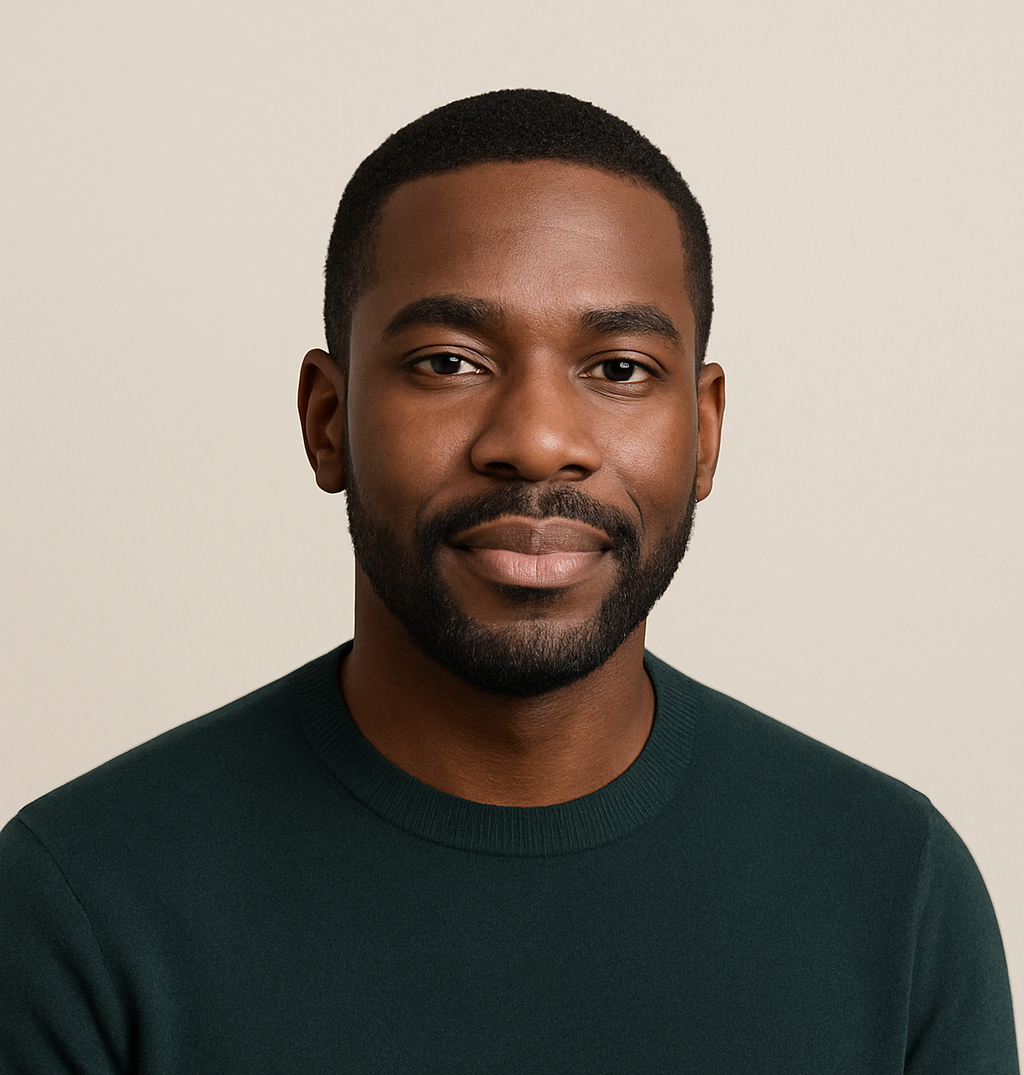
James Jenkins is a celebrated Pulitzer Prize-winning author whose work has reshaped the way readers think about social justice and human rights in America. Raised in Atlanta, Georgia, James grew up in a community that instilled in him both resilience and a strong sense of responsibility toward others. After studying political science and creative writing at Howard University, he worked as a journalist covering civil rights issues before dedicating himself fully to fiction. His novels are known for their sharp, empathetic portraits of marginalized communities and for weaving personal stories with broader political realities. Jenkins’s breakout novel, Shadows of Freedom, won national acclaim for its unflinching look at systemic inequality, while his more recent works explore themes of identity, resilience, and the fight for dignity in the face of oppression. Beyond his novels, James is an active public speaker, lecturing at universities and participating in nonprofit initiatives that support literacy and community empowerment. He believes that storytelling is a way to preserve history and inspire change. When not writing, James enjoys jazz music, mentoring young writers, and traveling with his family to explore cultures and stories around the world.