


A Break From the GOP That’s Sparking a Political Quiet Storm
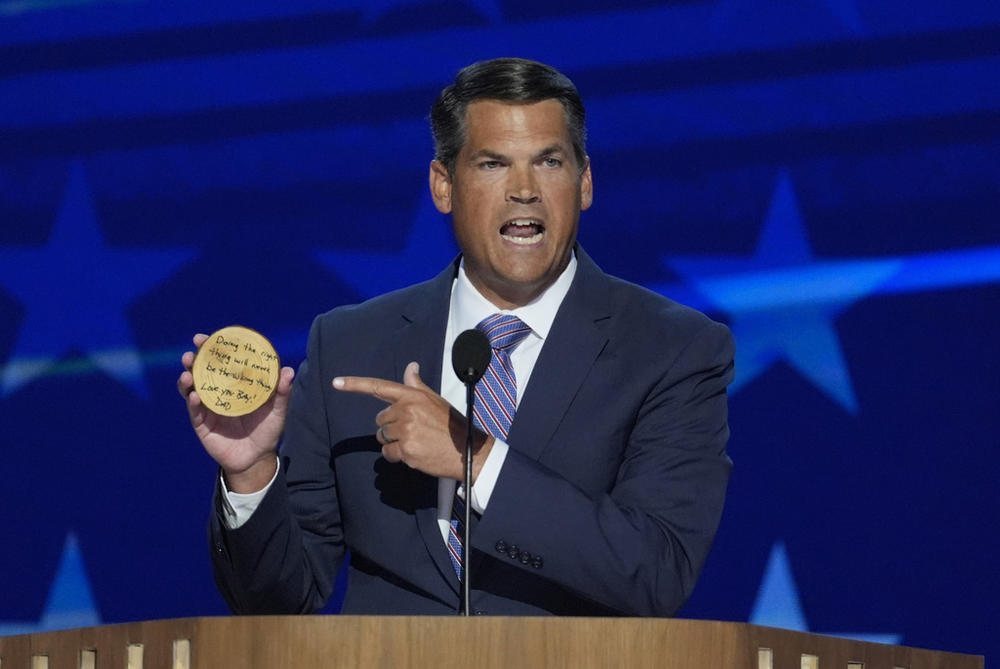
Politicians change parties — but very few do so with this kind of boldness. In Georgia, a former lieutenant governor has quietly flipped allegiance, sending ripples through both state and national politics. No explosive moment defined the shift. Instead, it unfolded day by day — under the radar, yet unmistakable in its impact.
A Disaffection Built Over Time
For years, Georgia’s former No. 2 Republican quietly grappled with deepening discord between his personal values and his party’s direction. His remarks weren’t dramatic. Rather, they stemmed from a place of conscience discomfort.
He wrote, “I struggled daily to love my neighbor under GOP policies.” That line, unadorned yet potent, hinted at something more profound than a policy disagreement — it marked the unraveling of political loyalty.
No Flash in History, Just Evolving Disagreement
The defection didn’t come from a single event or scandal. In an op-ed, he said:
“There’s no date on a calendar or line in the sand that points to the moment my political heart changed.”
He cited healthcare gaps, the undermining of food aid programs, lax gun laws, and immigration policies that made generating empathy deeply difficult.
Policy Cracks Exposed
On healthcare, he argued that many hardworking Georgians remained uninsured—not because they didn’t work, but because jobs didn’t offer coverage.
He warned that sweeping congressional legislation threatened Medicaid funding and undercut school lunch programs. Without financial safety nets, he said, it becomes hard to keep feeding children.
He also supported universal background checks and red-flag gun laws, citing polls showing overwhelming public support. Yet progress stalled amid Republican resistance.
On immigration, he asserted that disregarding compassion under the guise of enforcement betrayed the core of community and neighborly care.
The Final Pivot
The switch became public when he published a thoughtful column stating outright: he is now officially a Democrat. After years of alignment, he said his values found a better home.
That kind of transition could invite attacks. But he insisted it stems from conviction, not opportunism.
Fallout and Fallout Potential
His announcement has drawn both praise and criticism — and political insiders are watching Georgia closely in 2026. Could his decision embolden moderates to rethink affinities?
For him, the moment mattered: it placed care over party allegiance.

Emily Johnson is a critically acclaimed essayist and novelist known for her thought-provoking works centered on feminism, women’s rights, and modern relationships. Born and raised in Portland, Oregon, Emily grew up with a deep love of books, often spending her afternoons at her local library. She went on to study literature and gender studies at UCLA, where she became deeply involved in activism and began publishing essays in campus journals. Her debut essay collection, Voices Unbound, struck a chord with readers nationwide for its fearless exploration of gender dynamics, identity, and the challenges faced by women in contemporary society. Emily later transitioned into fiction, writing novels that balance compelling storytelling with social commentary. Her protagonists are often strong, multidimensional women navigating love, ambition, and the struggles of everyday life, making her a favorite among readers who crave authentic, relatable narratives. Critics praise her ability to merge personal intimacy with universal themes. Off the page, Emily is an advocate for women in publishing, leading workshops that encourage young female writers to embrace their voices. She lives in Seattle with her partner and two rescue cats, where she continues to write, teach, and inspire a new generation of storytellers.